Computers get hot. If you’ve ever touched your laptop after hours of use, you know the feeling. Now, imagine a building filled with thousands of powerful servers. Data centers are facing a massive challenge right now because they use a huge amount of energy just to keep their equipment from overheating.
In places like Ireland, data centers eat up so much power that the government had to create legal restrictions. But a European research project called AM2PC, led by the Danish Technological Institute and Heatflow, just finished testing a solution that might fix this.
Cooling Down Data Centers
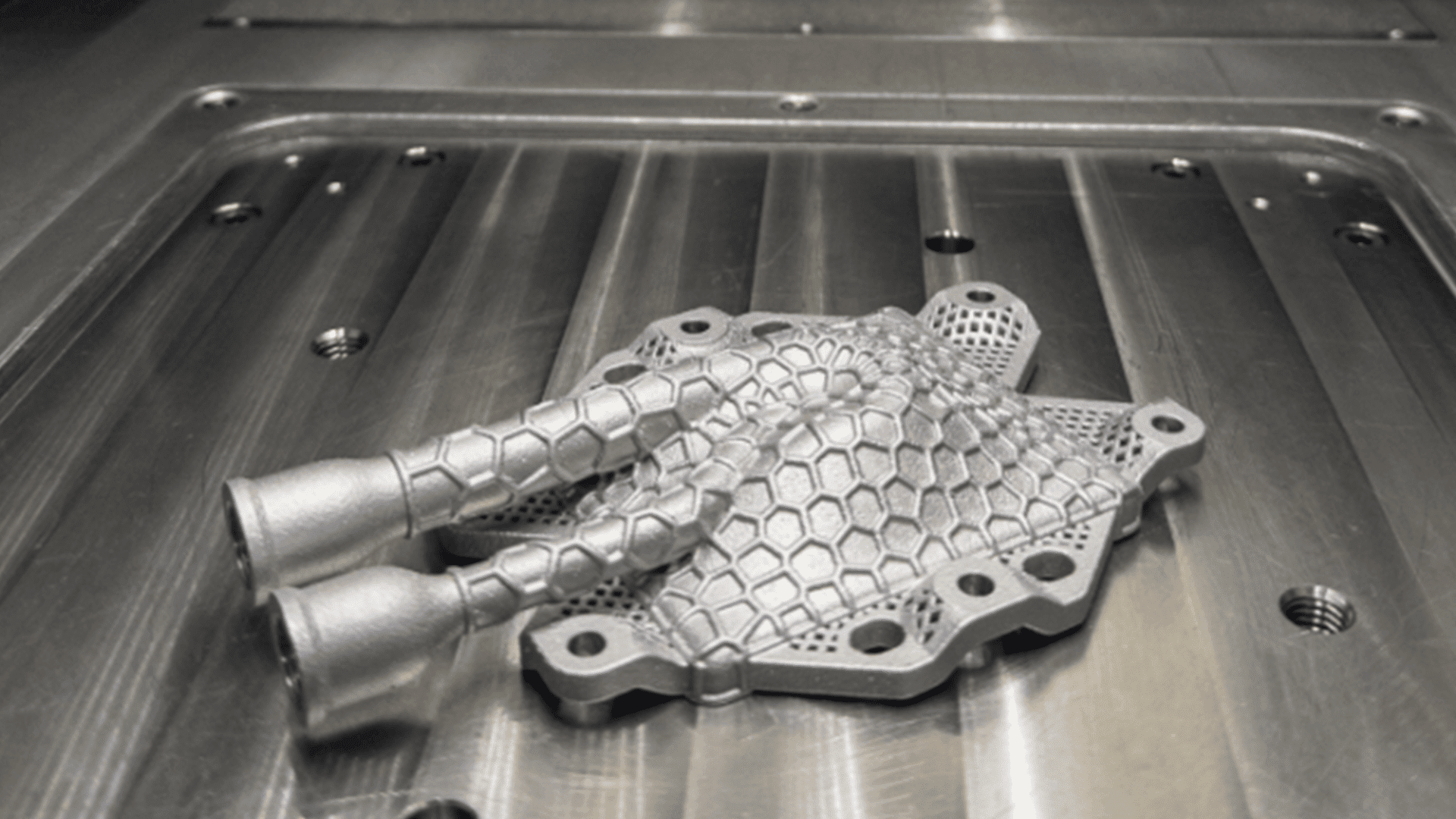
The team developed a new 3D-printed cooling component designed specifically for high-performance computers. While they aimed for a cooling capacity of 400 watts, the tests actually achieved 600 watts, a 50% increase.
The secret lies in “passive two-phase cooling.” Instead of using energy-hungry pumps or fans to push air around, this system uses a coolant that evaporates when it hits a hot surface. The vapor rises, cools down, turns back into liquid, and falls back down using gravity. It’s the “thermosiphon principle,” and it runs without consuming extra power.
Advertisement
“We are seeing a development where the power density in servers is increasing faster than ever before, and traditional air cooling is simply no longer sufficient,” said Paw Mortensen, CEO of Heatflow. “With our two-phase solution, we can remove heat passively without pumps or fans, which significantly reduces the energy consumption for cooling.”
A 3D Printed Approach
Because the team used 3D printing, they could make the evaporator out of a single piece of aluminum. This means no assembly points, fewer leaks, and easier recycling since you don’t have to separate different materials.
“Besides the actual IT hardware, the corresponding cooling infrastructure is one of the major energy consumers in a data center – and therefore the greatest potential to improve overall system efficiency,” explained Simon Brudler from the Danish Technological Institute.
There is another big upside, too. The system removes heat at 60 to 80 degrees Celsius. That is hot enough to be reused in district heating networks or even to heat greenhouses. Traditional air cooling usually results in waste heat that is too cool to be useful.
While this is still a demonstration project, early analyses suggest this method could cut total emissions by 25-30% per unit.
 Read Exclusive Stories
 Bookmark & Save Articles For Later