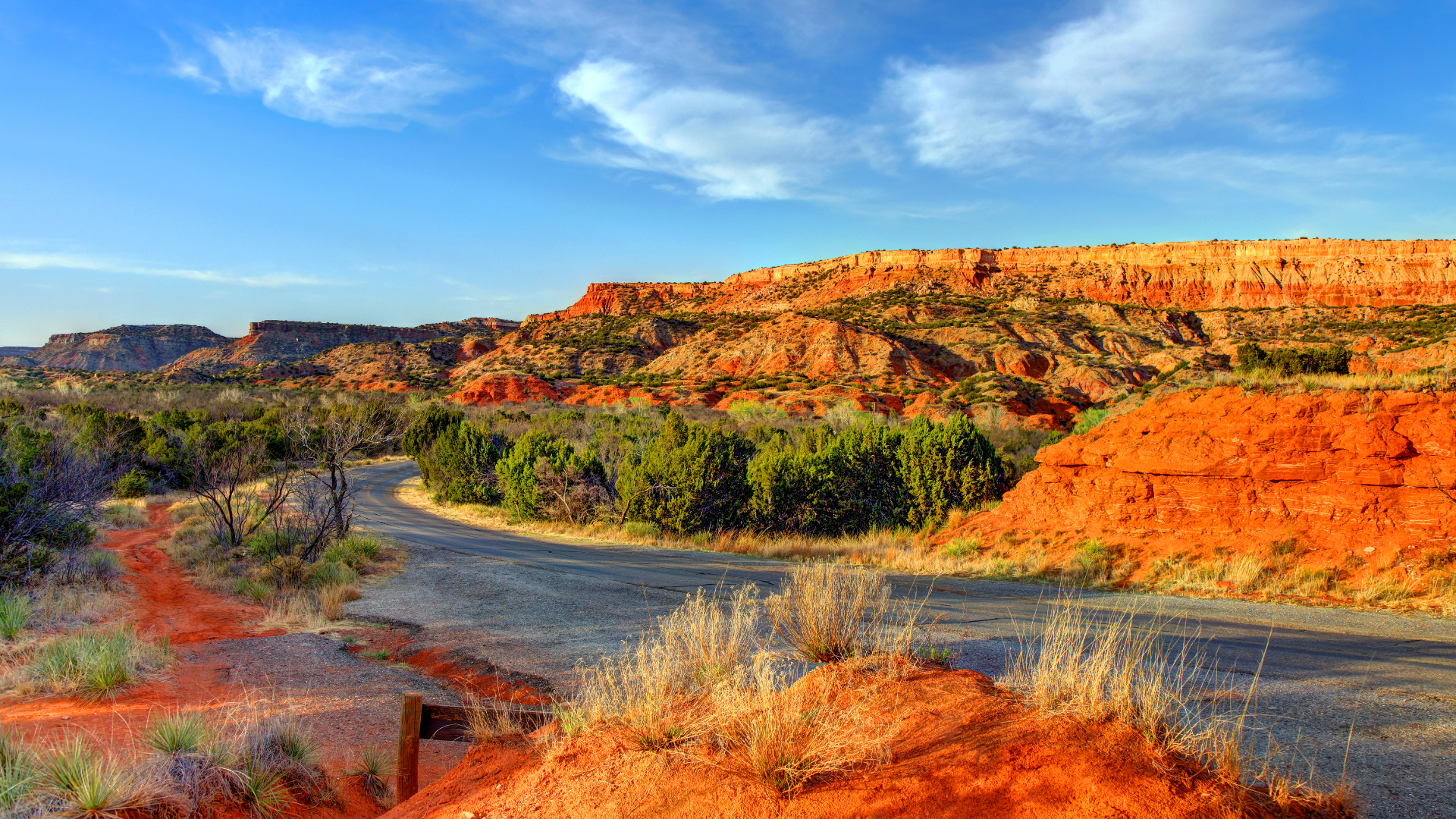
If you drive through the Texas Panhandle, you see a whole lot of nothing. The land is completely flat and covered in dry grass. But just outside of Amarillo, the ground suddenly falls away. You find yourself staring down into a massive hole in the earth.
This is Palo Duro Canyon. It is the second-largest canyon in the United States, sitting right behind the Grand Canyon. It stretches for 120 miles and drops 800 feet deep. Seeing it in person is a shock because there is no warning. The flat prairie just stops, and a maze of red rock takes over.
Carved By A Small River
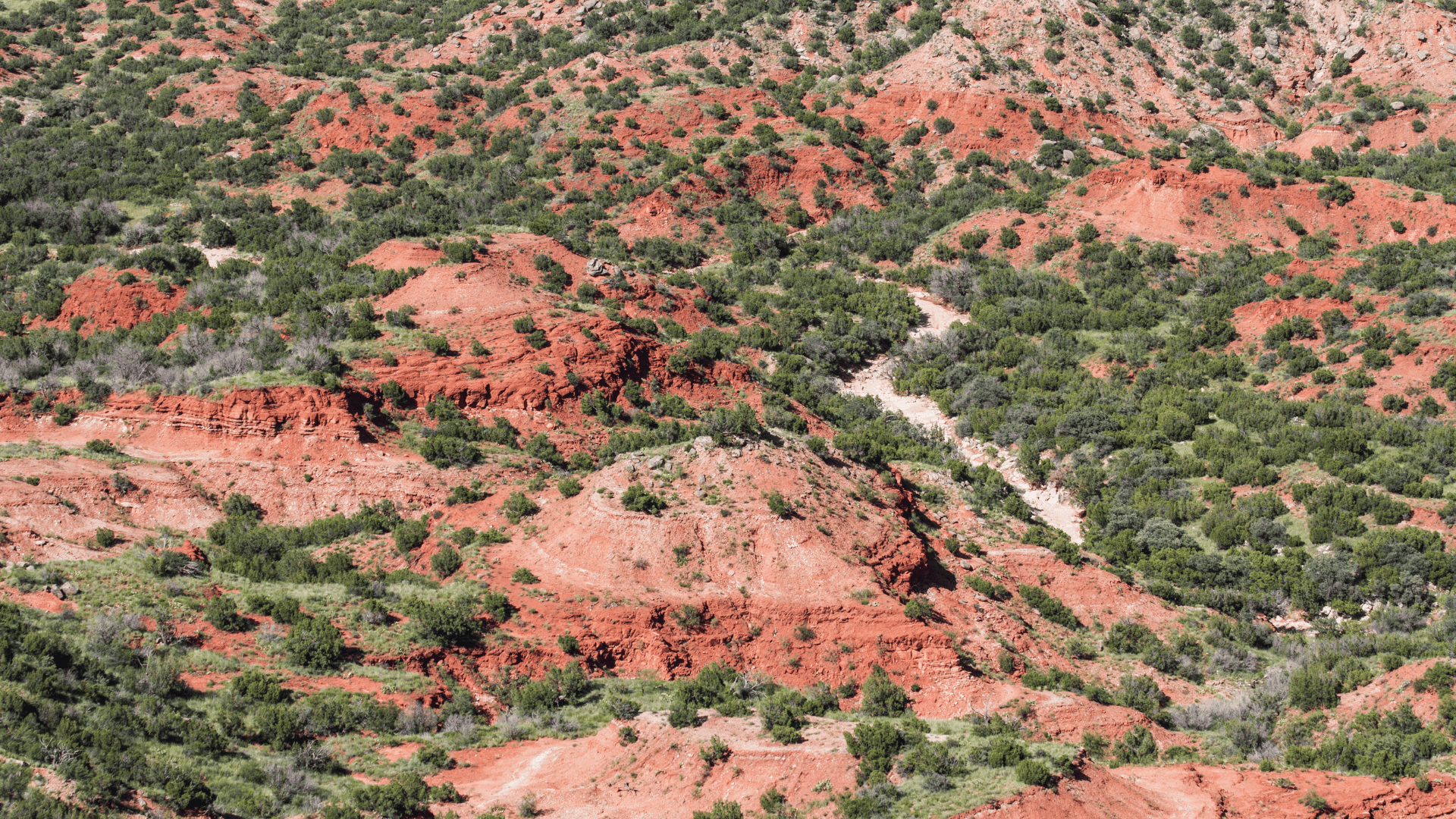
You might think an earthquake split the ground open, but water actually did all the work. The Prairie Dog Town Fork of the Red River flows right through the canyon floor.
It is a small, muddy river. But give a small river about a million years, and it can do serious damage. As the water flowed across the flat plains, it slowly dug into the dirt. Flash floods helped out, too. When heavy rain hits the dry Texas dirt, the water rushes into the canyon fast. It acts like a giant shovel, constantly scooping out mud and widening the canyon walls.
Reading The Rock Layers
Advertisement
The coolest part about standing at the bottom is looking up at the walls. You can read the cliff faces like a timeline.
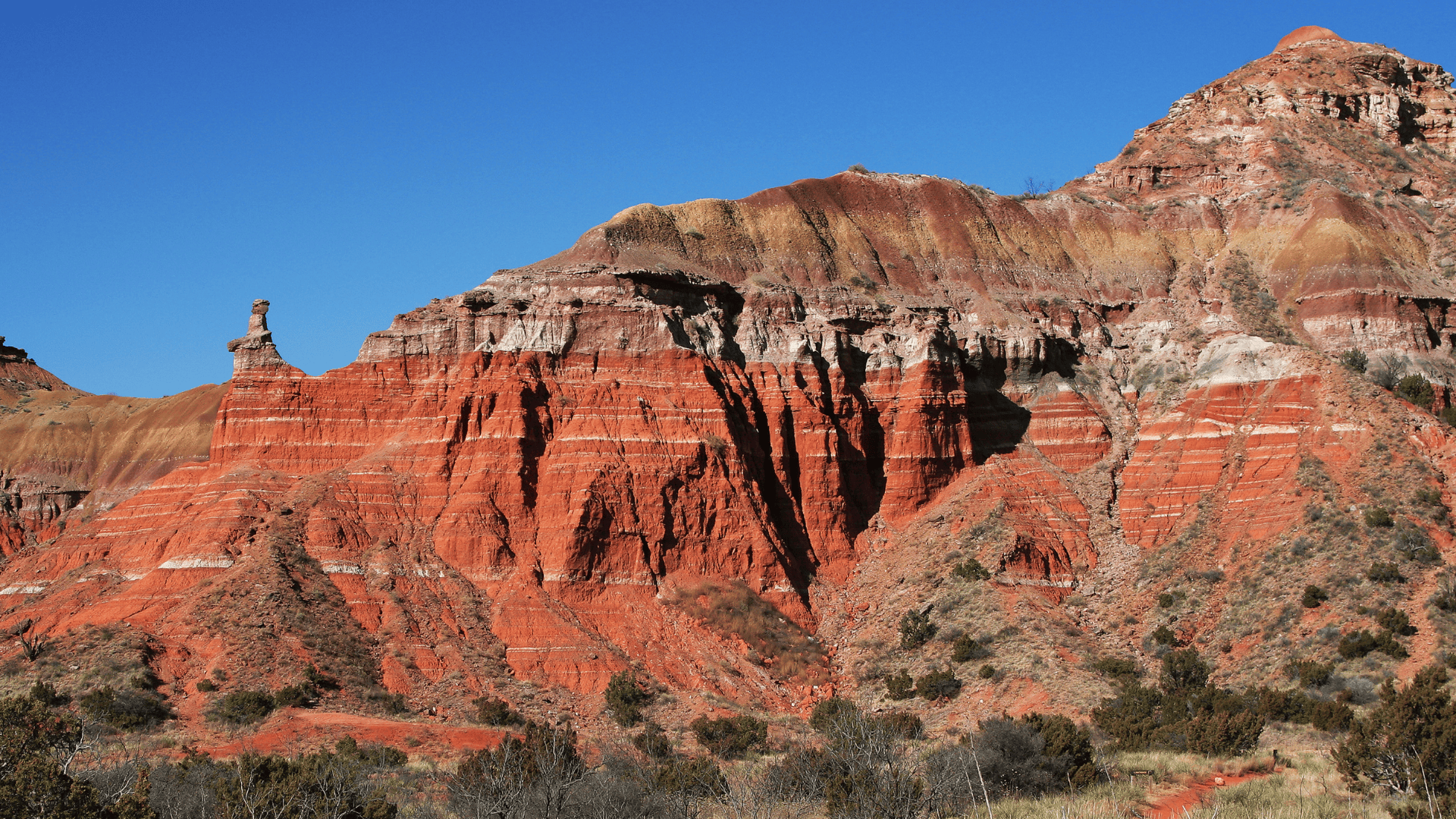
The rocks here show four distinct geologic periods. The very bottom layer is mostly red mudstone and white gypsum. It formed about 250 million years ago when the area was a giant, shallow ocean.
As you look higher up the cliff, the rock changes colors. You see yellow, gray, and purple bands. Those layers are hardened mud and sand left behind by ancient rivers. The thick, bright red rock near the top is called the Quartermaster Formation.
Because the rock is pretty soft, it constantly erodes into weird shapes. The most famous rocks in the park are called hoodoos. They look like tall, thin pillars of red dirt balancing heavy flat rocks on their heads. And because the river is still flowing, the water is still carving. The canyon is getting a little bit deeper and wider every year.
 Read Exclusive Stories
 Bookmark & Save Articles For Later