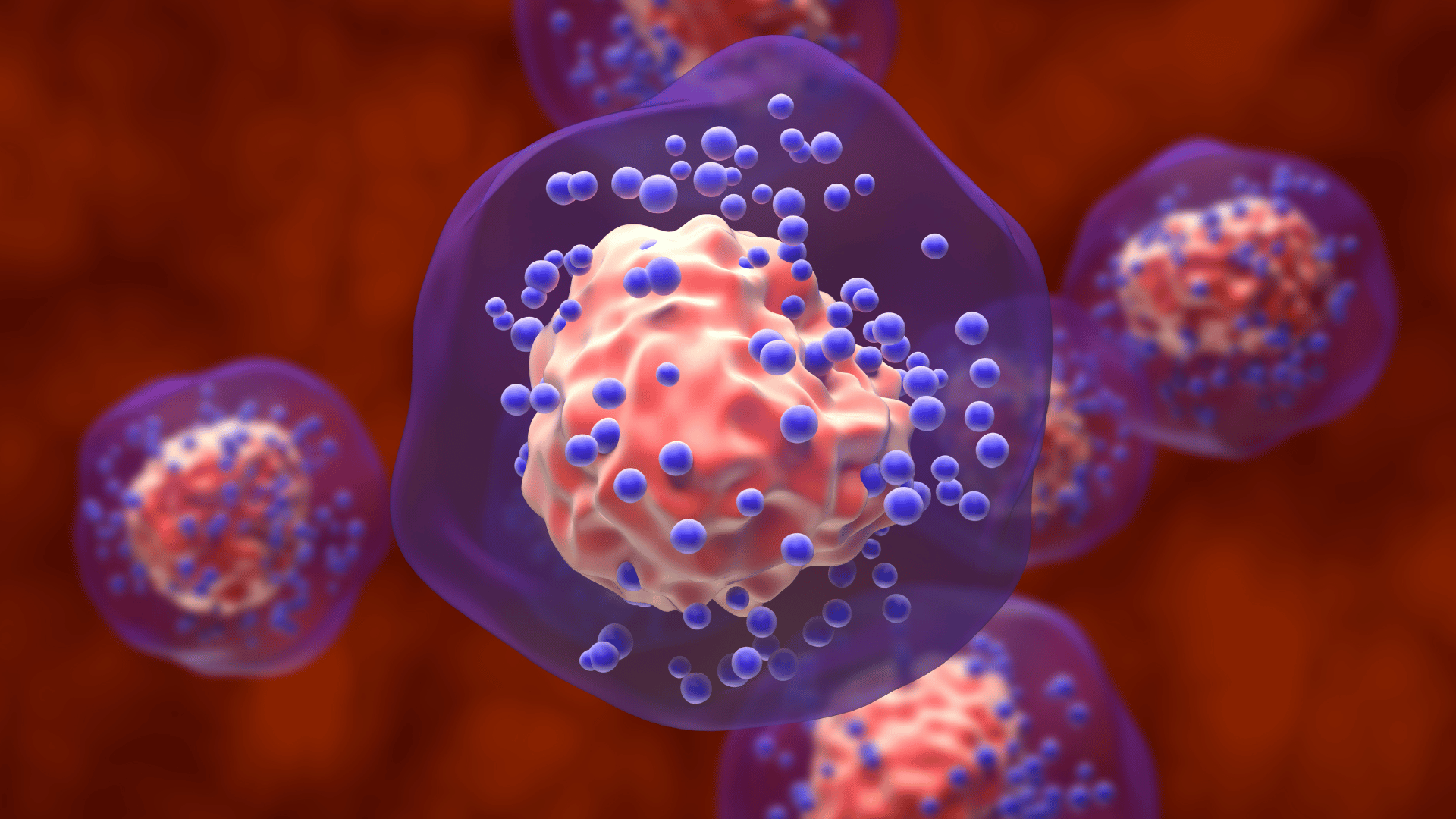
Glioblastoma is one of the toughest and most aggressive brain cancers known to doctors. Even with the best care, people usually only survive 12 to 15 months. This cancer spreads deep into the brain, making surgery difficult. Additionally, it typically resists standard treatments like chemotherapy and radiotherapy.
Looking for a better solution, researchers at the MIT Media Lab created injectable nanoantennas, each about one-hundredth the width of a human hair. Researchers named the new technology “HITMAN.”
Targeting Cancer Cells

During tests, doctors inject antennas into the area near the tumor. Then, a low-frequency magnetic field is applied from outside the body. This field passes safely through the skull and causes parts of the antennas to bend and squeeze. That movement creates a tiny electric field right next to the tumor.
These electric fields disrupt the cancer cells’ internal currents, causing them to break down and die, while leaving healthy brain cells unaffected.
Advertisement
“In laboratory and animal studies, this approach significantly reduced tumor growth and extended survival without detectable side effects, highlighting its potential as a precise and safe brain cancer therapy,” said Deblina Sarkar, associate professor and AT&T Career Development Chair at the MIT Media Lab and head of the Nano-Cybernetic Biotrek group.
The Results and Next Steps
The team tested HITMAN using drug-resistant tumor tissue from Mayo Clinic patients. In the lab, it killed 52.2 percent of the cancer cells, more than five times as effectively as the standard chemotherapy drug.
In mouse tests, the treatment extended survival by more than 50 percent, with no damage to major organs such as the heart, liver, or lungs. It also dropped the number of new cancer cell colonies from around 150 to just 26, meaning the cancer is less likely to spread or return.
In 2025, Sarkar’s team created “circulatronics,” which hides tiny devices inside living cells, meaning doctors might eventually inject HITMAN into a patient’s arm. Right now, doctors could inject these antennas through the skull. The living cells would carry the antennas right past the immune system and into the brain.
“The persistent failure of these therapies underscores the urgent need for novel approaches to target treatment-resistant glioblastoma cells,” the researchers stated. “HITMAN offers a minimally invasive, spatially precise, and clinically translatable therapy for glioblastoma.”
 Read Exclusive Stories
 Bookmark & Save Articles For Later