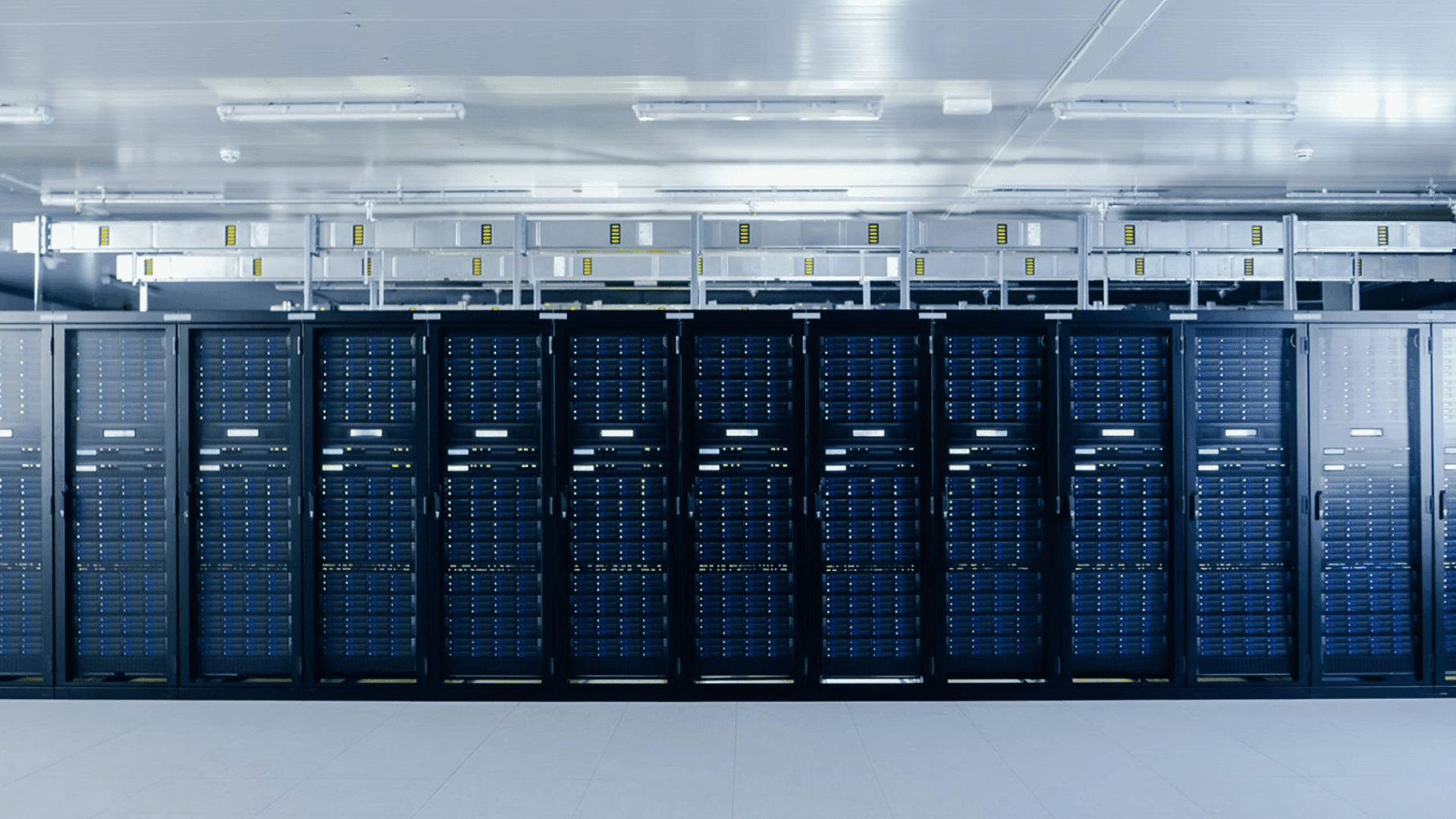
Data centers power everything from your Instagram feed to artificial intelligence. But these huge server buildings get very hot. Today, we use a huge amount of electricity just to keep them cool so the chips do not overheat.
Researchers at NYU Tandon have a new idea to solve this problem. Rather than adding more air conditioners, they want to use waste heat from nearby factories. The key is a common mineral called zeolite.
Cooling Data Centers
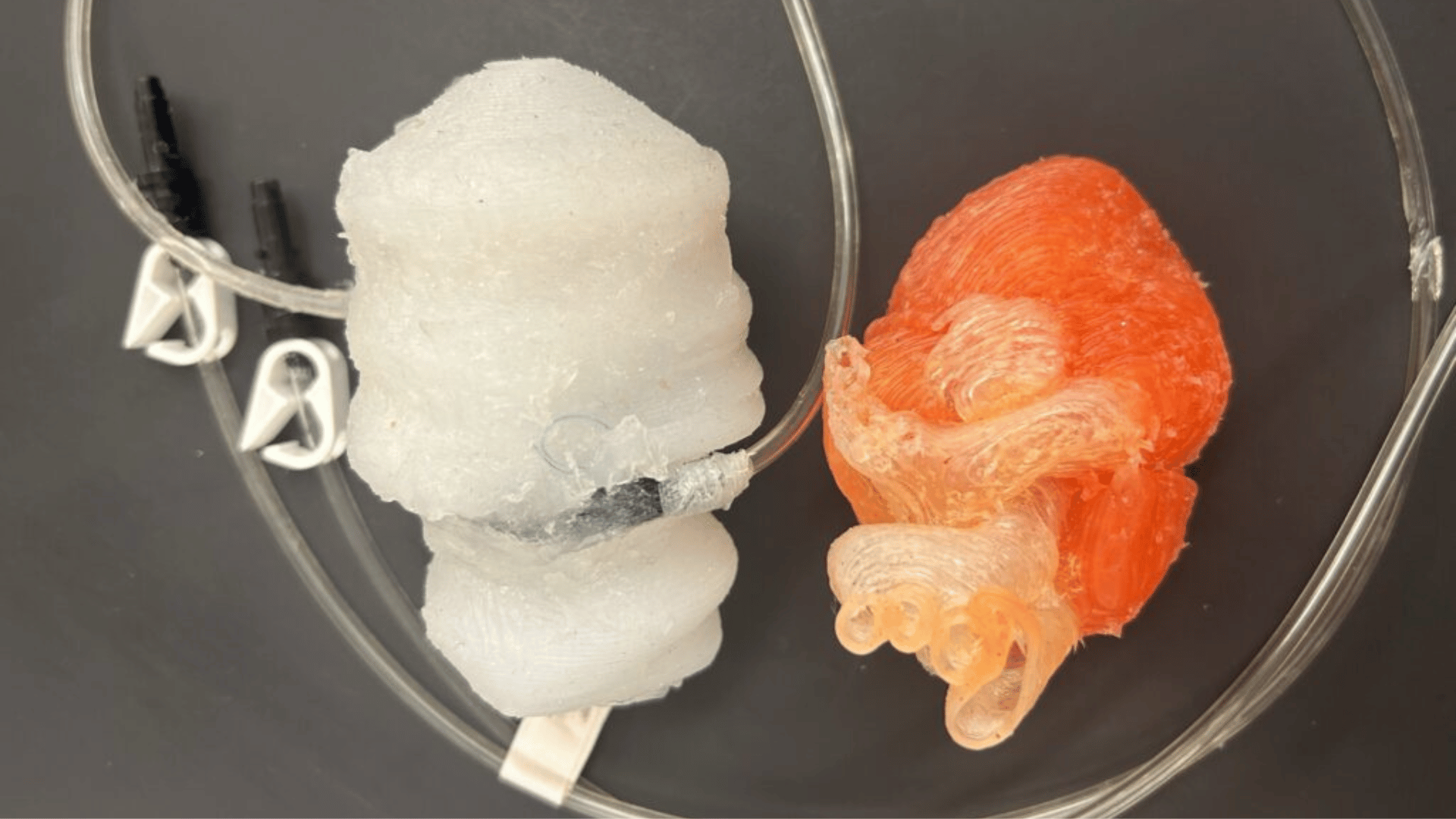
Zeolites are rocks with tiny holes that soak up water vapor. When dry zeolite meets water, it gives off heat. If you heat it again, the water leaves and the battery is ready to use again.
The researchers, including Assistant Professor Dharik Mallapragada and zeolite expert Pavel Kots, found they could use leftover heat from a chemical plant or refinery to dry these minerals. Once the zeolite is charged and dry, it can be loaded onto a truck or train and sent to a data center.
Advertisement
The heat from the server room is used to evaporate water, which cools the room, and then the dry zeolite absorbs the vapor. Unlike a regular battery that loses power, this thermal energy stays in the rock until water is added.
“This is an opportunity to ‘bend the curve’ and aim for a much more sustainable future, in a way that is beneficial to everyone involved,” said Mallapragada.
Big Savings and Simple Logistics
The team found that this method could reduce the electricity used for cooling a data center by up to 86%. Even after including the energy needed to move the zeolite with electric trucks, the system still saves a lot of power.
There are some trade-offs, such as using more water for evaporation, and data centers need to be fairly close to factories. But the researchers found that the average distance between U.S. data centers and industrial sites is only about 57 kilometers.
Although the project is still in the modeling phase, the goal is to turn waste heat into a useful resource. Kots said, “Zeolite and its interaction with water can be used for storing thermal energy.”