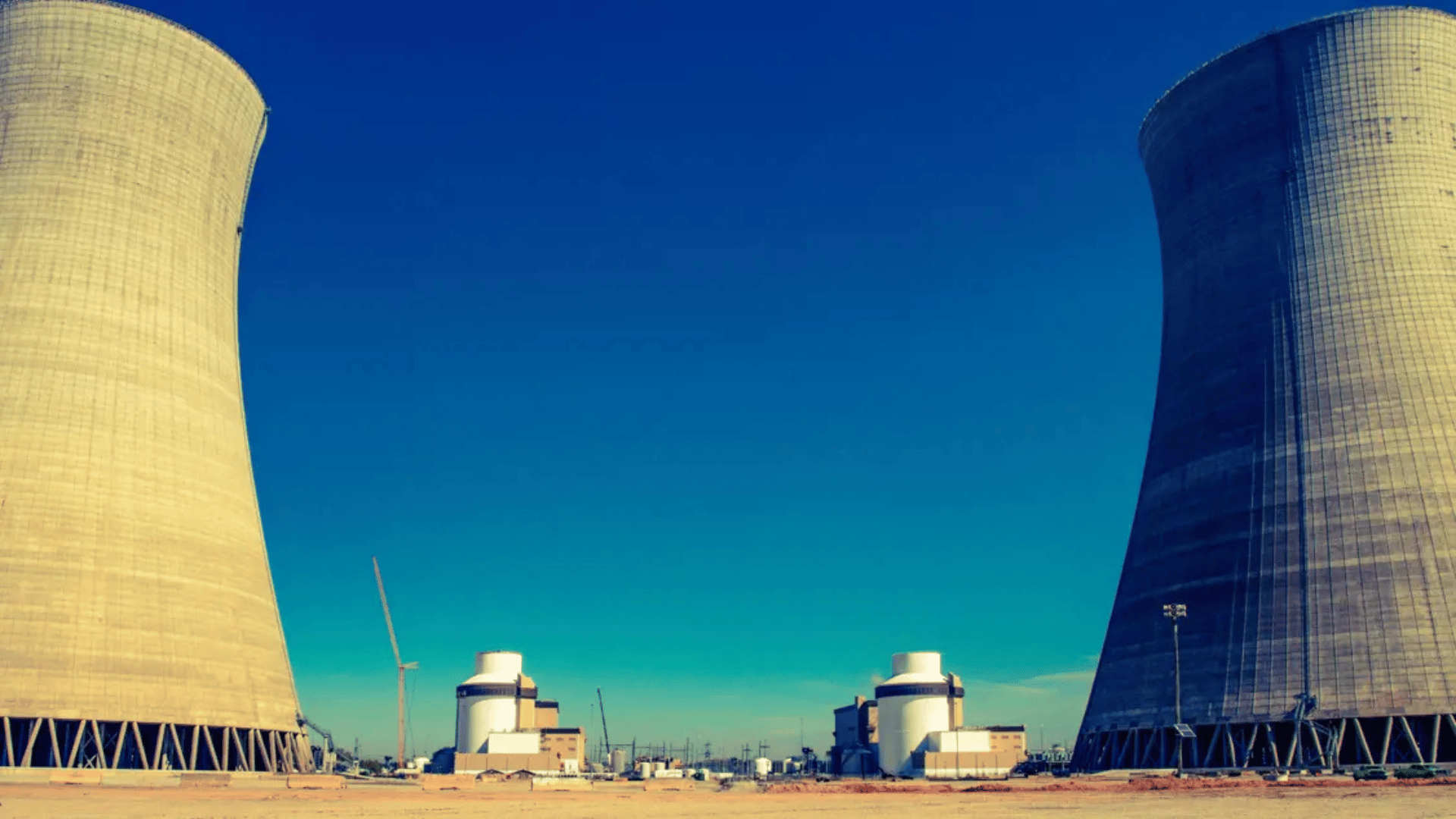
Tracking invisible climate-warming gas from space used to be a long shot. That was until a team of scientists proved that orbit-based monitoring could work.
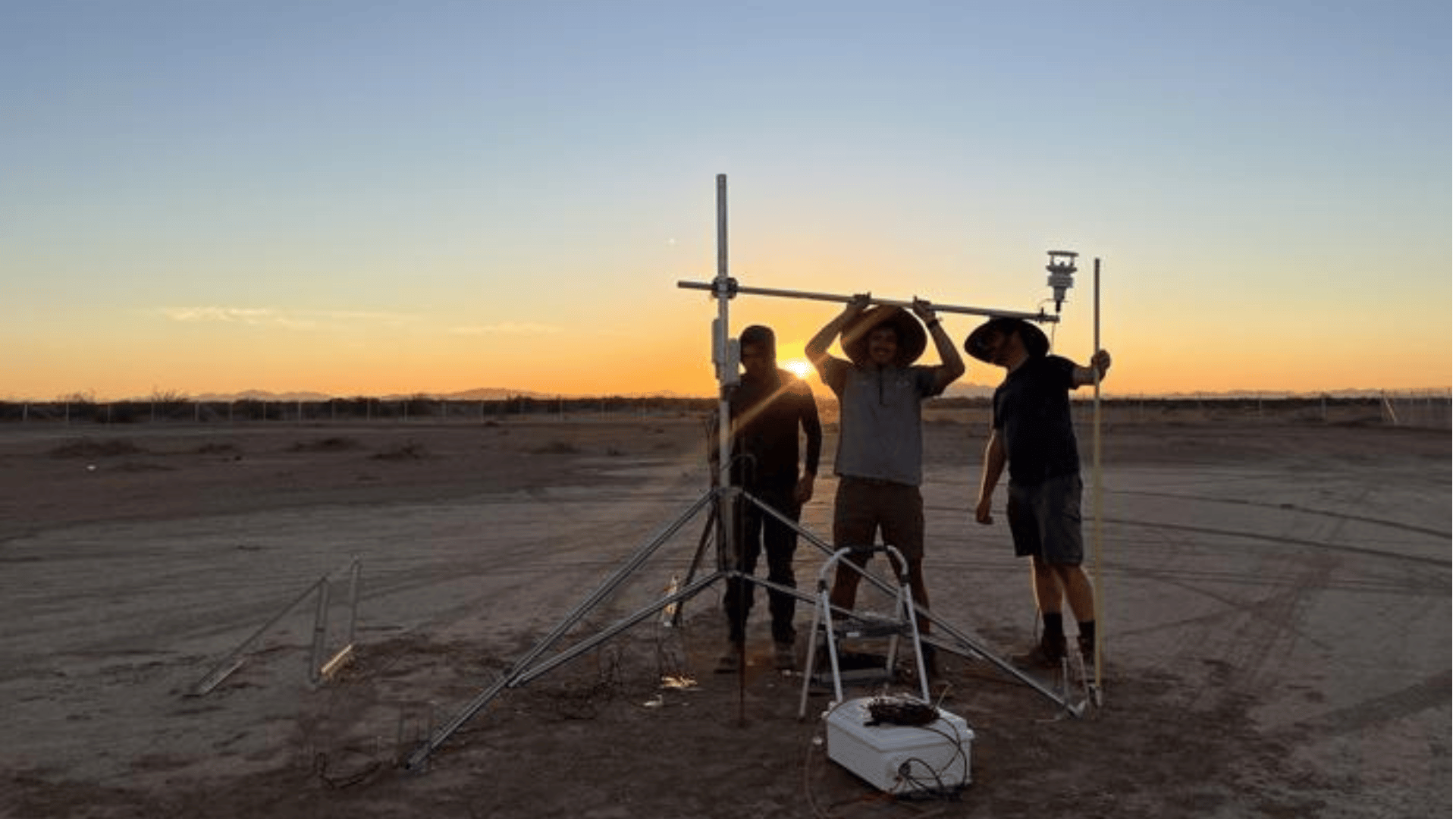
In a study published on October 14 in Nature, researchers from the Stanford Doerr School of Sustainability conducted the largest controlled test of space-based methane monitoring ever. They timed 481 controlled methane releases in Casa Grande, Arizona, matching them with overpasses from 11 different satellites.
Fifteen independent teams across nine countries analyzed the images to see if they could spot the gas. The results showed that specialized methane sensors correctly caught 92% to 100% of the plumes on clear days.
“There has been significant skepticism over the years about whether methane tracking really works because it’s a challenging technical problem to detect the gas from space,” said senior study author Adam Brandt. “Our results should give regulators, policymakers, producers of methane, and the general public a lot of confidence moving forward.”
While sensors sometimes under- or overestimated exact volume amounts by up to 50%, those numbers averaged out over time. That makes them reliable enough to spot major leaks and help energy producers fix them fast.
“In many cases, the detection is the important part,” Brandt said. “As long as you know approximately how big it is, then you still know you need to go fix it.”
Advertisement
Where the Satellites Stumble
Satellites rely on reflected sunlight to spot methane, so heavy clouds or bad weather still block their view. As a result, blind spots are created in cloudy regions like Nigeria, Venezuela, Russia, and Canada.
Repurposed general-purpose satellites also struggled, missing most smaller releases. Even worse, commercial teams applying new AI tools to that general satellite data generated 79% of the study’s false positives.
Still, having this massive dataset gives researchers the exact tool they need to train better AI models and refine algorithms.
“With this study, we have orders of magnitude more controlled-source data points than we’ve ever had before for testing methane detection from space,” said lead author Frances Reuland.
 Read Exclusive Stories
 Bookmark & Save Articles For Later