Virtual reality headsets are usually big and heavy, strapping awkwardly to your face. But at Meta Connect 2026, the company showed off a completely new take on spatial computing.
It is officially called Meta VR Glasses. Launching in the spring of 2027 for $1,299, the new system ditches the heavy headset design in favor of a much lighter, two-part setup designed for all-day comfort, entertainment, and productivity.

Splitting The Hardware
The reason most VR headsets are heavy is that they have to hold the screens, cameras, battery, and computer processor all in one unit on your face. Meta VR Glasses solve this by splitting the components.
The glasses themselves weigh just 100 grams, roughly five times lighter than the Meta Quest 3. They feature a sleek magnesium-alloy frame that houses a massive 5K micro-OLED display and built-in Dolby Atmos spatial audio. But the actual processing power and the battery live inside a separate, pocket-sized compute puck.
The glasses connect to this puck via a light optical tether. Powered by the new Qualcomm Snapdragon Reality Elite processor, the puck handles heavy computing and delivers up to 3 hours of battery life while keeping the hardware weight completely off your head.
“Launching in Spring 2027, this is our most advanced device yet, delivering a cinema, courtside seat, workspace, and console, all in a pair of glasses that weigh about 100 grams,” Meta shared in its official announcement. “Thanks to a breakthrough glasses-like form factor, there are no straps or heavy hardware on your face.”
A Focus On Work And Entertainment
Advertisement
While the Meta VR Glasses are fully compatible with the entire Meta Quest gaming catalog and Xbox Cloud Gaming, Meta is heavily pitching the device as a personal theater and portable workspace.
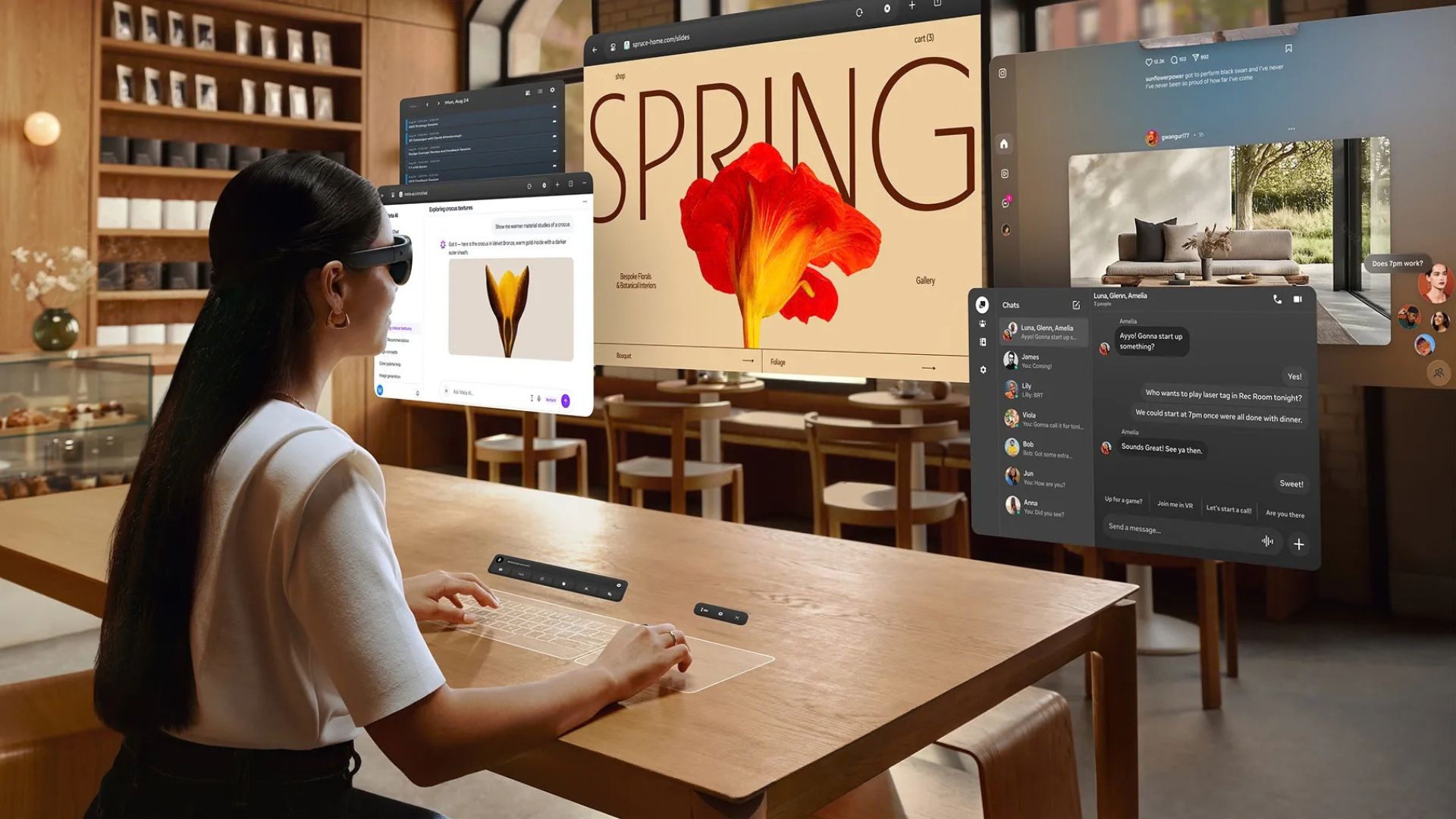
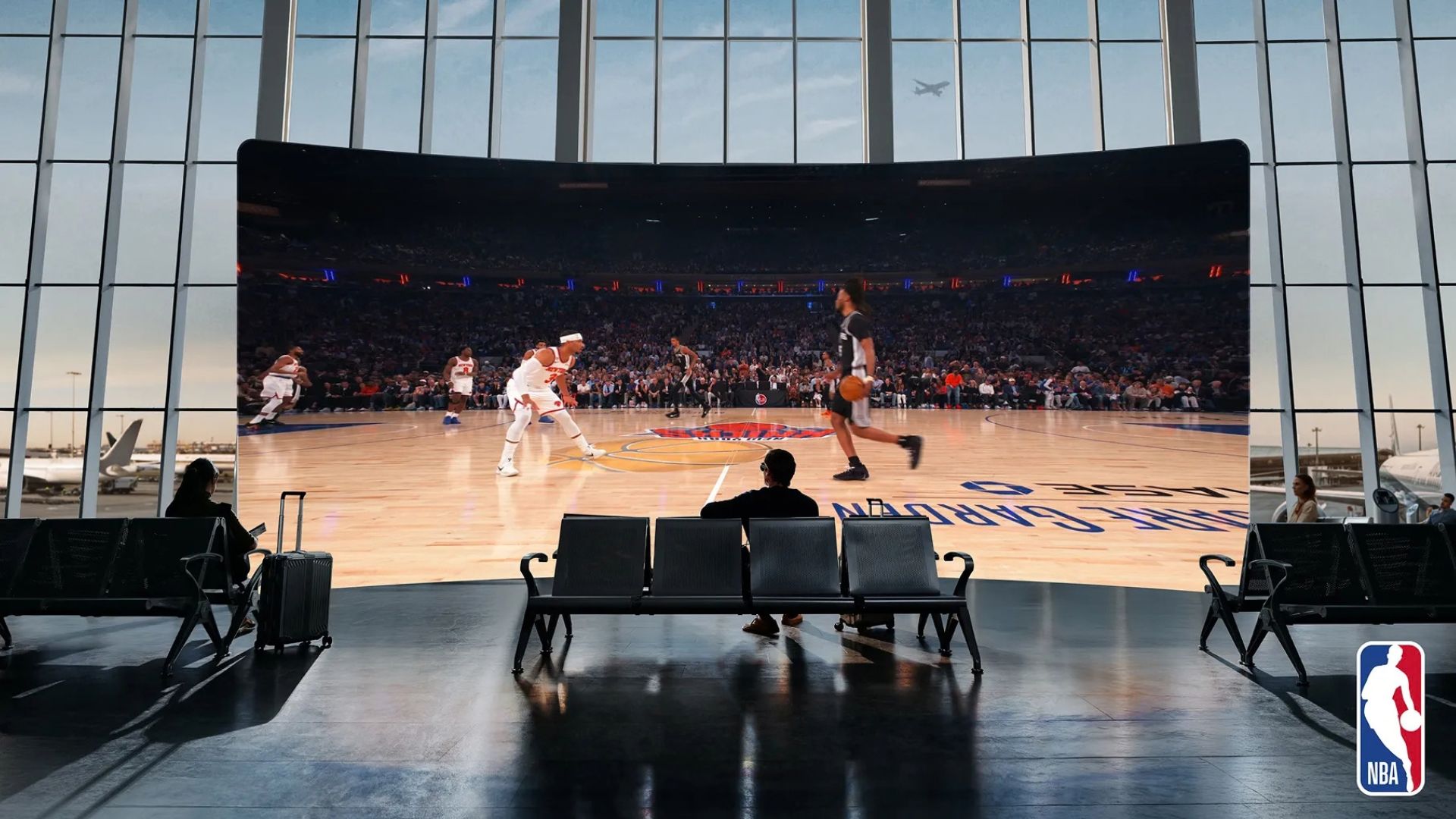
The device is the first VR system to receive IMAX Enhanced certification. Between the 5K display and Dolby Vision HDR, users can watch 3D movies or stream media on a massive, private virtual screen. For productivity, the glasses can connect to a Mac or Windows PC to project multiple virtual monitors, or even overlay a virtual keyboard directly onto a physical desk.
Meta also introduced a major update to digital communication called Hologram Calling. Using the glasses, you can project a photorealistic, full-body digital version of yourself to other users, complete with real-time facial expressions.
Ditching The Controllers
Because the glasses are so light and feature an open-periphery design, users stay visually connected to the real world around them. Instead of relying on bulky plastic controllers, the Meta VR Glasses use advanced eye-tracking and hand-gesture recognition.
To open an app or start a movie, you simply look at the digital icon and tap your fingers together. Users can also rely heavily on voice commands powered by the built-in Meta AI assistant. At launch, Meta says more than 75 games will be playable entirely with hand gestures, though traditional Touch Plus controllers will still be supported as an optional accessory.
 Read Exclusive Stories
 Bookmark & Save Articles For Later