Chatbots are great for answering questions or helping you draft an email, but they still leave you to do the actual work. Meta is trying to change that with the launch of Muse, a new personal AI agent that takes real action on your behalf.
Instead of just telling you how to do something, Muse is designed to go out and get it done. It represents a massive shift from standard AI chatbots to programs that can independently navigate the web and complete complex, multi-step tasks.
An Assistant That Actually Works
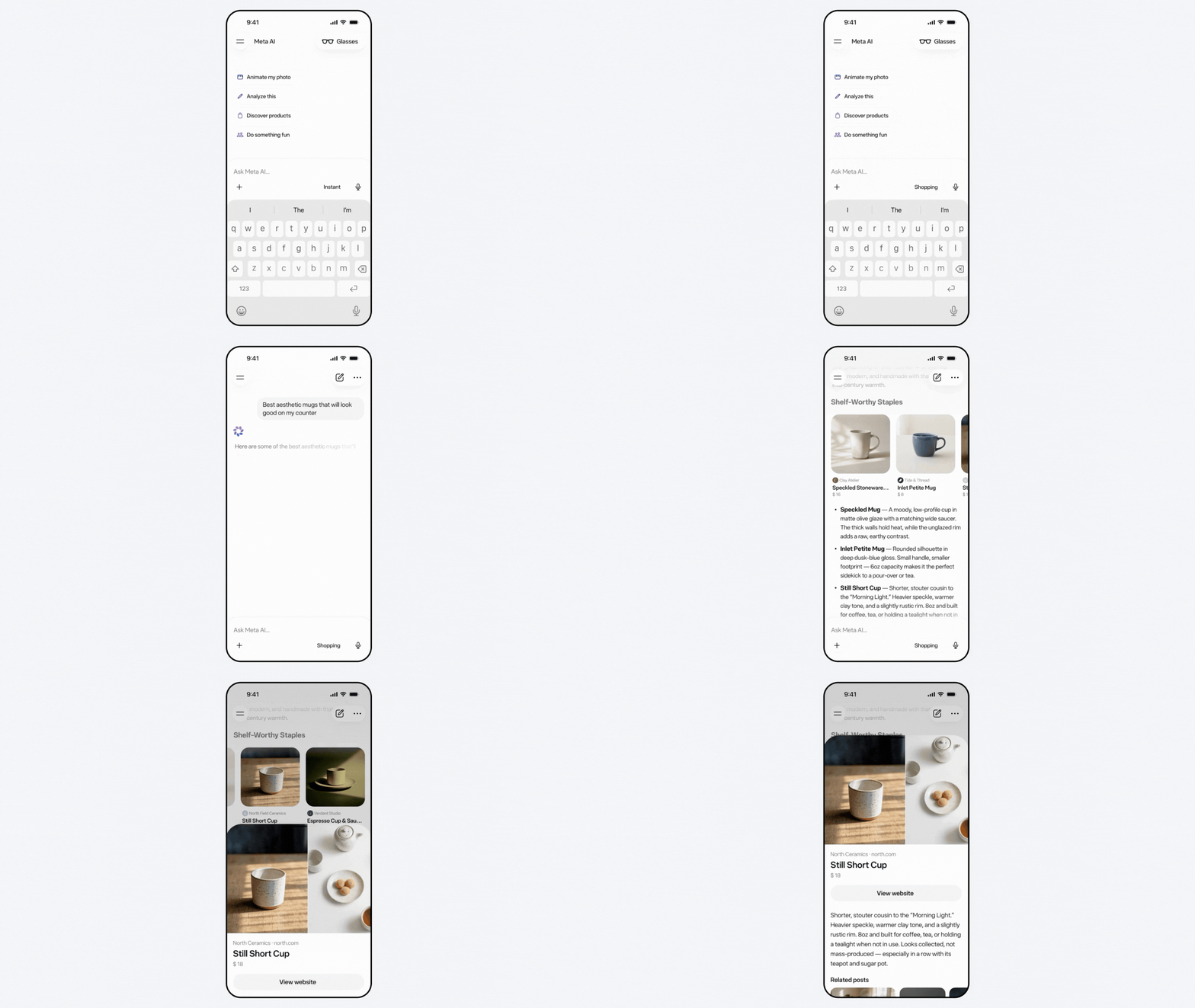
You can interact with Muse just like you are texting a friend through the dedicated Muse app, on your Mac, or directly in WhatsApp. The big difference is that Muse remembers your context over time and can operate in the background even after you close the app.
If you ask Muse to plan a family vacation, it will not just give you a suggested itinerary. It can actively open a web browser, find the best flights, book a hotel room, and put the reservations directly onto your digital calendar. It can handle your online grocery shopping, track your workout goals, and even manage your inbox. You simply give it a goal, and Muse figures out which built-in skills and connected apps it needs to finish the job.
A Dedicated Device
While you can access Muse through your phone or computer, Meta is also preparing to launch dedicated hardware for the assistant, known as the Muse Charm.

Billed as the “first device made for Muse,” the Charm is a brand-new standalone gadget built specifically to let you interact with your personal AI agent. While full specs and pricing have not been released yet—the device is currently in a “notify me” waitlist phase—it signals Meta’s ambition to take AI off of your traditional screens. Combined with their plans to integrate Muse into their lineup of AI smart glasses, it is clear the company wants your digital assistant to be accessible the moment you need it, hands-free.
Advertisement
Keeping Your Data Secure
Giving a computer program the power to buy things and read your inbox requires a massive amount of trust. To handle privacy, Meta built a completely isolated environment for the agent to operate in.
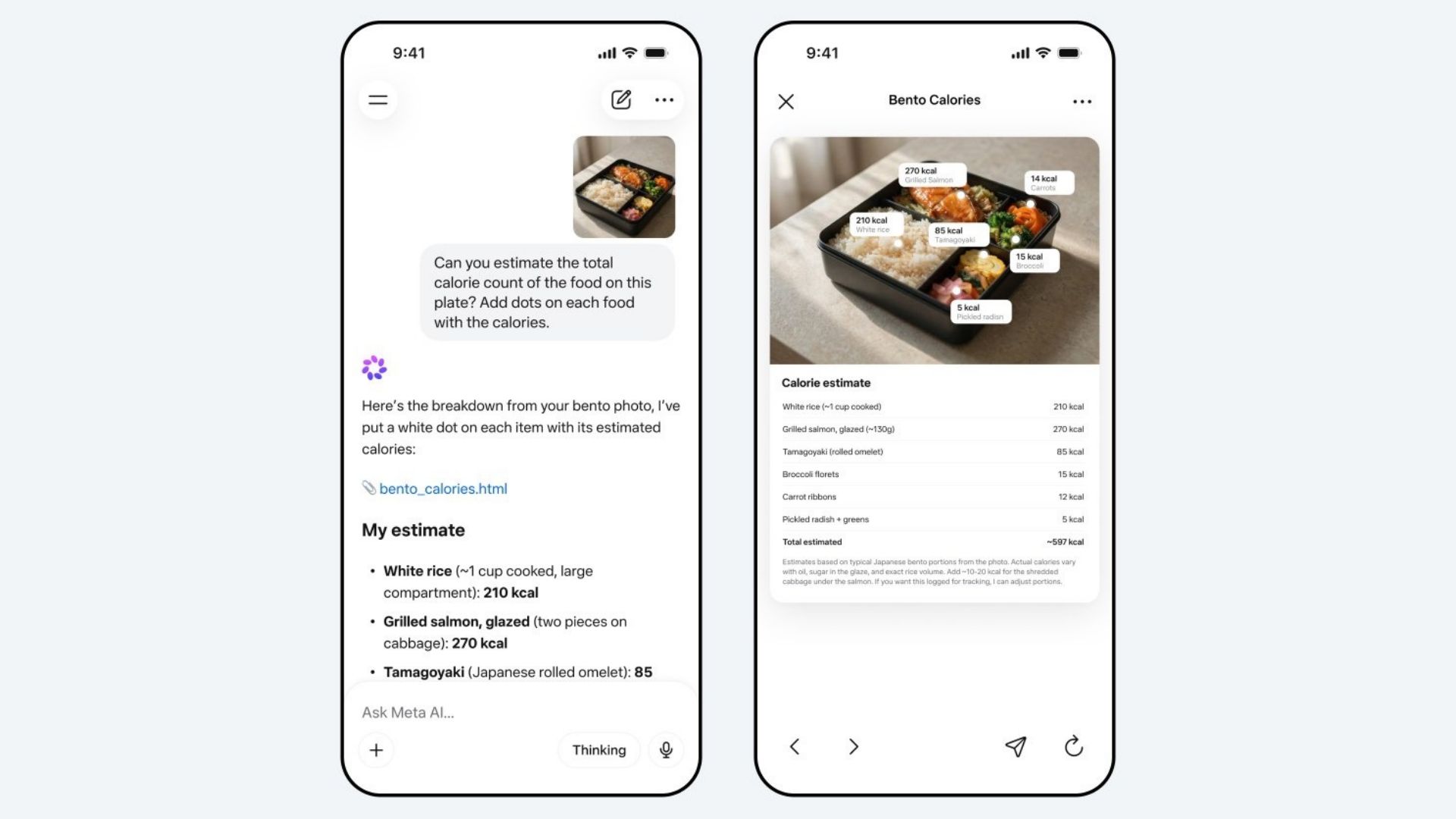
Muse runs on a dedicated, secure virtual machine—essentially its own private computer in the cloud. You can actually watch what Muse is doing in its built-in browser and intervene or stop it at any time. When you ask it to buy something online, Muse generates a one-time virtual credit card number at checkout so the merchant (and the agent) never sees your real financial information. Furthermore, Meta guarantees that your conversations with Muse are not shared with their advertising systems.
A Shift In Strategy
Historically, Meta has made its money by offering free products supported by ads. But running complex AI agents requires serious computing power. While Meta is offering a free tier of Muse with basic usage limits, they are also introducing $20 and $100 monthly subscription options for power users.
Meta also used its latest product push to introduce a new take on virtual reality hardware. The company unveiled Meta VR Glasses, a lightweight, two-part spatial computing system that weighs just 100 grams and moves much of the processing power and battery off your face.
For now, Muse is rolling out in the U.S. across iOS, Android, Mac, and the web, with the Muse Charm device on the horizon.
 Read Exclusive Stories
 Bookmark & Save Articles For Later