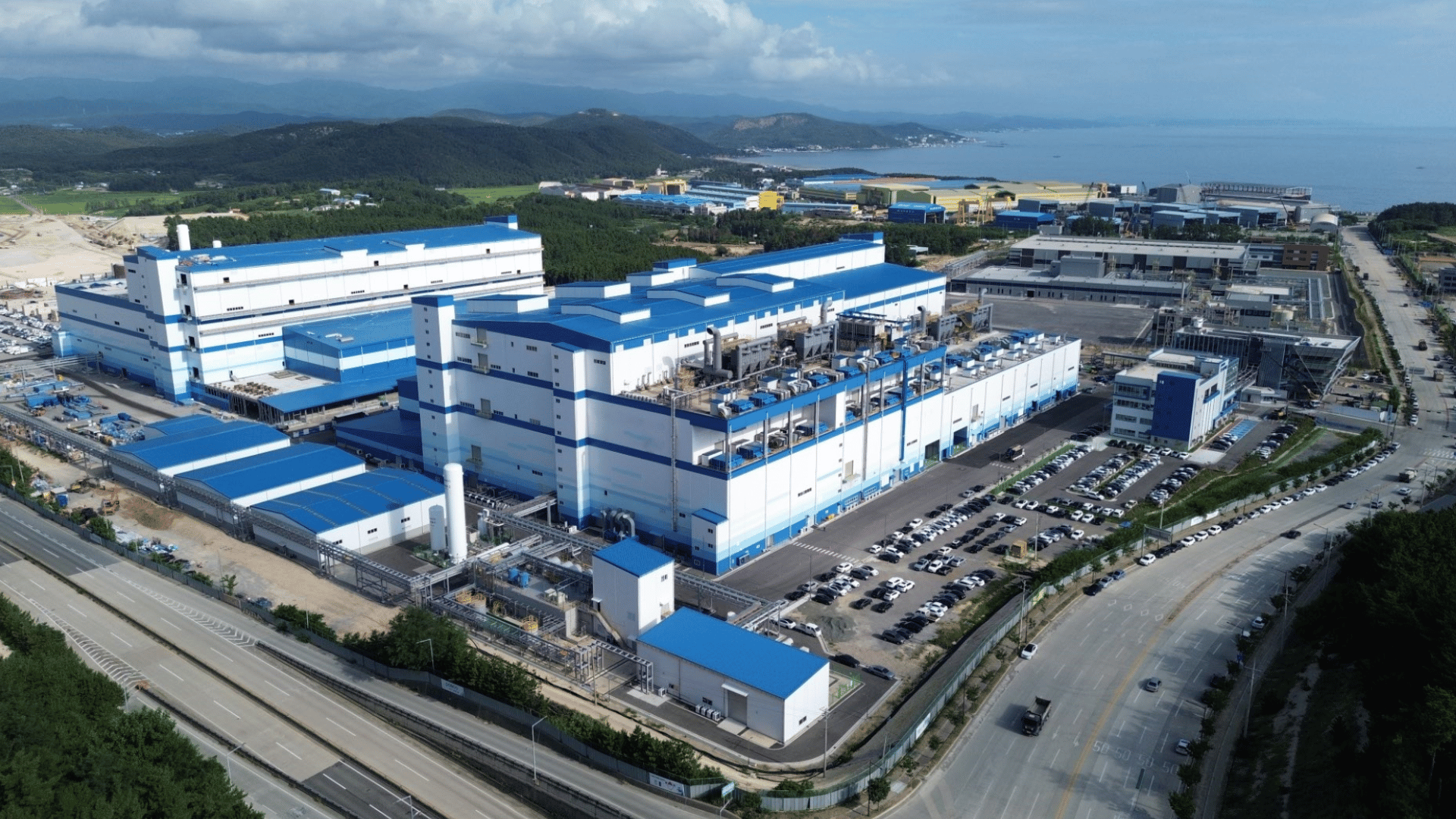
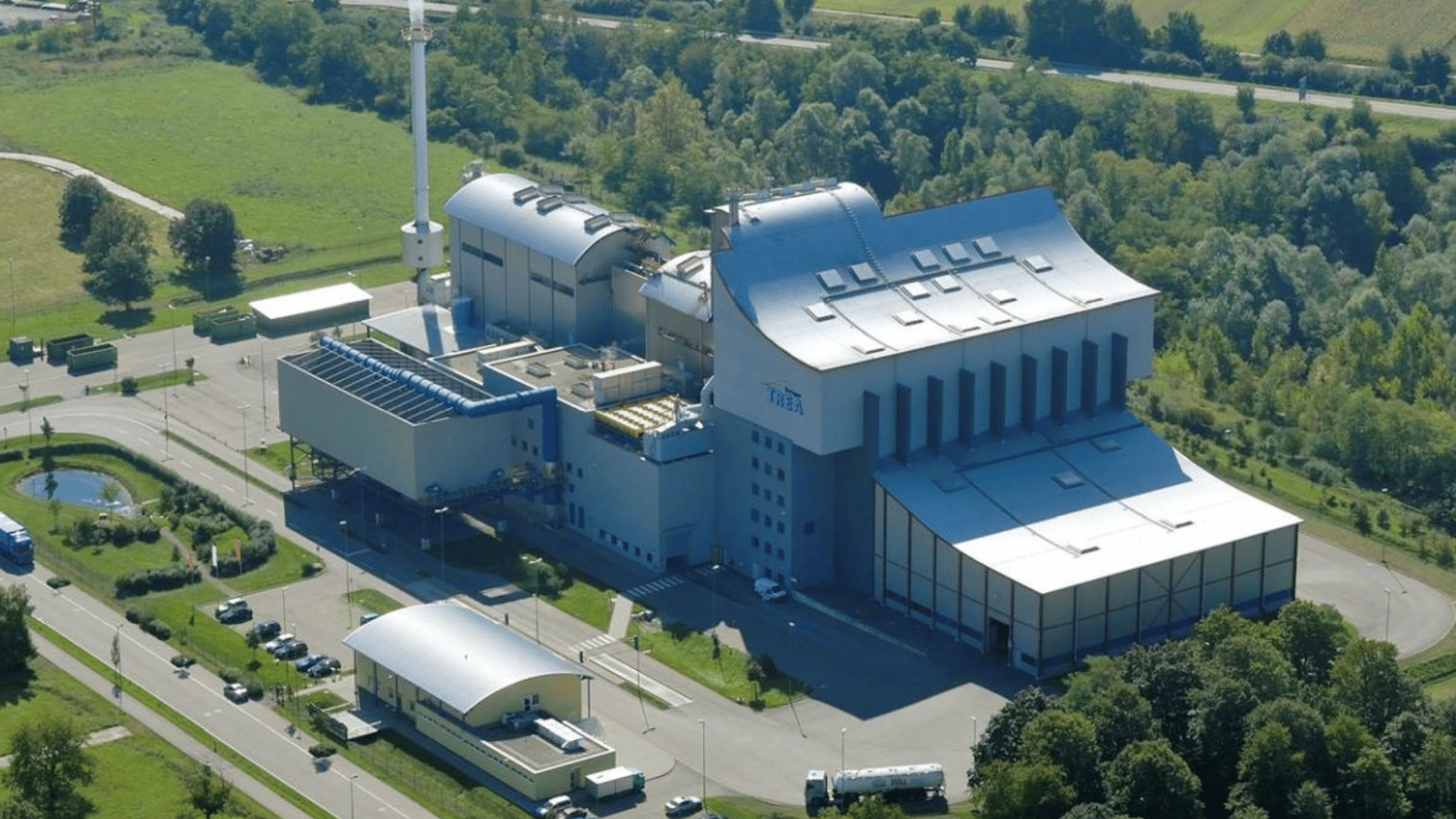
Burning waste produces a lot of heat, but it also releases carbon dioxide. Even with modern upgrades, thermal waste plants still send CO2 into the air.
Researchers at the Karlsruhe Institute of Technology (KIT) and industrial partner EEW Energy from Waste recognized the challenge and are working to capture those exhaust gases and turn them into usable solid materials.
The Federal Ministry for Economic Affairs and Energy (BMWi) is backing the project, called NECOC 2.0, with more than 5 million (5.5 million USD). The goal is to clean up unavoidable emissions from waste plants while pulling out valuable raw materials for manufacturing.
“Dealing with unavoidable emissions is a crucial issue for both successful climate protection and for the economic competitiveness of KIT,” said Professor Thomas Hirth, Vice President for Transfer and International Affairs at KIT. “With NECOC 2.0, we are bringing a solution developed at KIT a decisive step closer to practical implementation.”
Timo Poppe, CEO of EEW Energy from Waste, added, “CO2 capture is a key component for the future of thermal waste treatment. That’s why we are investing specifically in research and development. As the consortium coordinator, we are contributing our industrial experience to the NECOC 2.0 project and, together with our partners, are investigating how CO2 can be captured from flue gases and used as a raw material,” explains Poppe.
Liquid Metal Changes the Chemistry
The setup works in two main stages. First, the captured CO2 reacts with hydrogen to make methane. Next, that methane flows through a reactor filled with liquid tin. The high heat breaks the methane down into separate hydrogen and carbon. The hydrogen loops right back to the start to process more gas, leaving behind a fine black powder.
“We want to capture the CO2 and convert it directly into a usable raw material,” said Dr. Benjamin Dietrich from the Institute of Thermal Process Engineering (TVT) at KIT, who helped create the process.
Teams at KIT have already proved the chemistry works on a smaller scale, producing microgranular carbon in liquid metal lab tests. Now, the NECOC 2.0 team is designing a full-scale plant hooked directly to a real industrial flue gas stream. From there, they plan to test if the recovered carbon powder can hold up in products like battery electrodes and building materials.
“The process offers the prospect of reducing CO2 emissions from thermal waste treatment while simultaneously providing carbon for industrial applications,” Dietrich concluded.
Advertisement
 Read Exclusive Stories
 Bookmark & Save Articles For Later