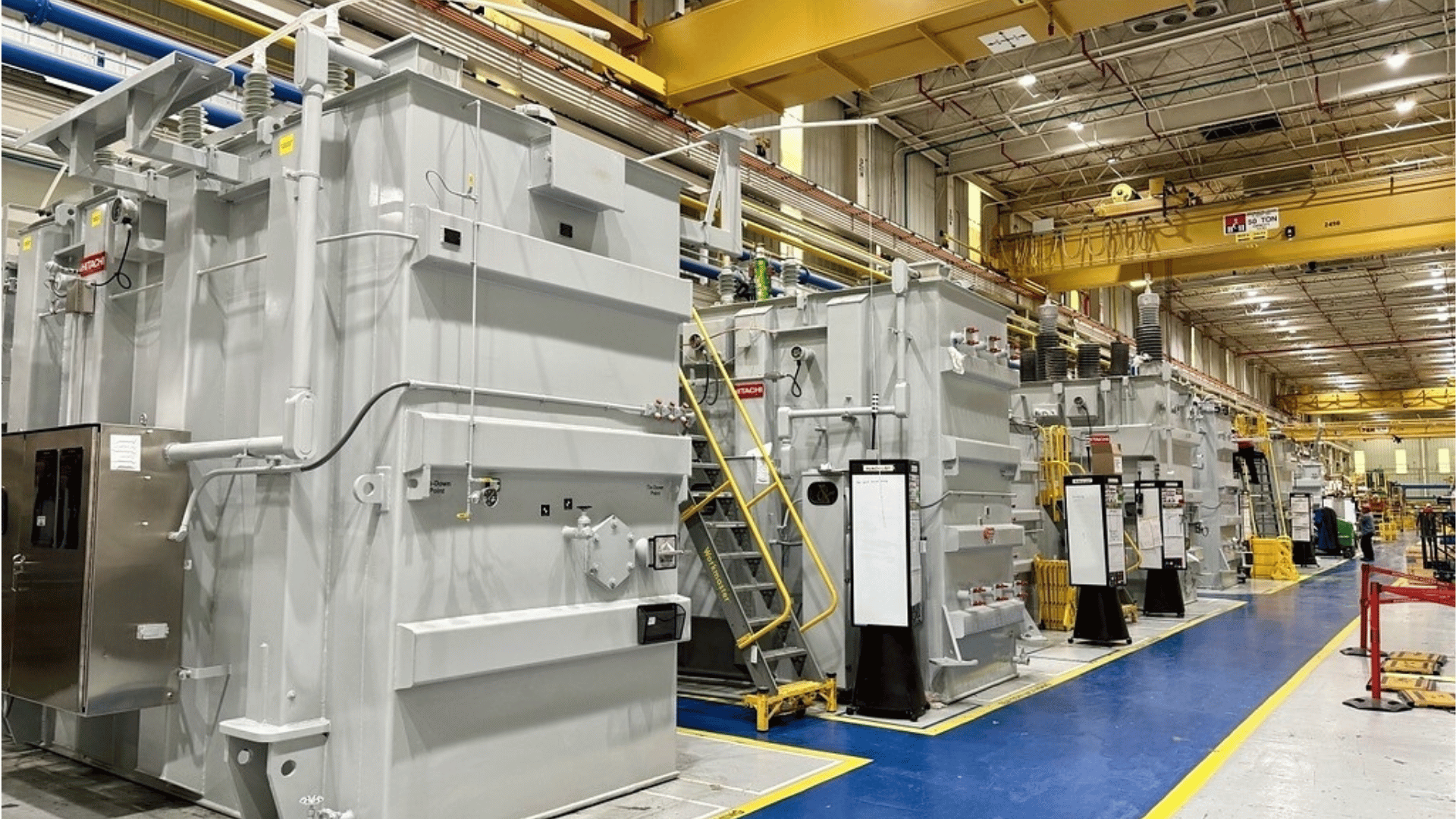
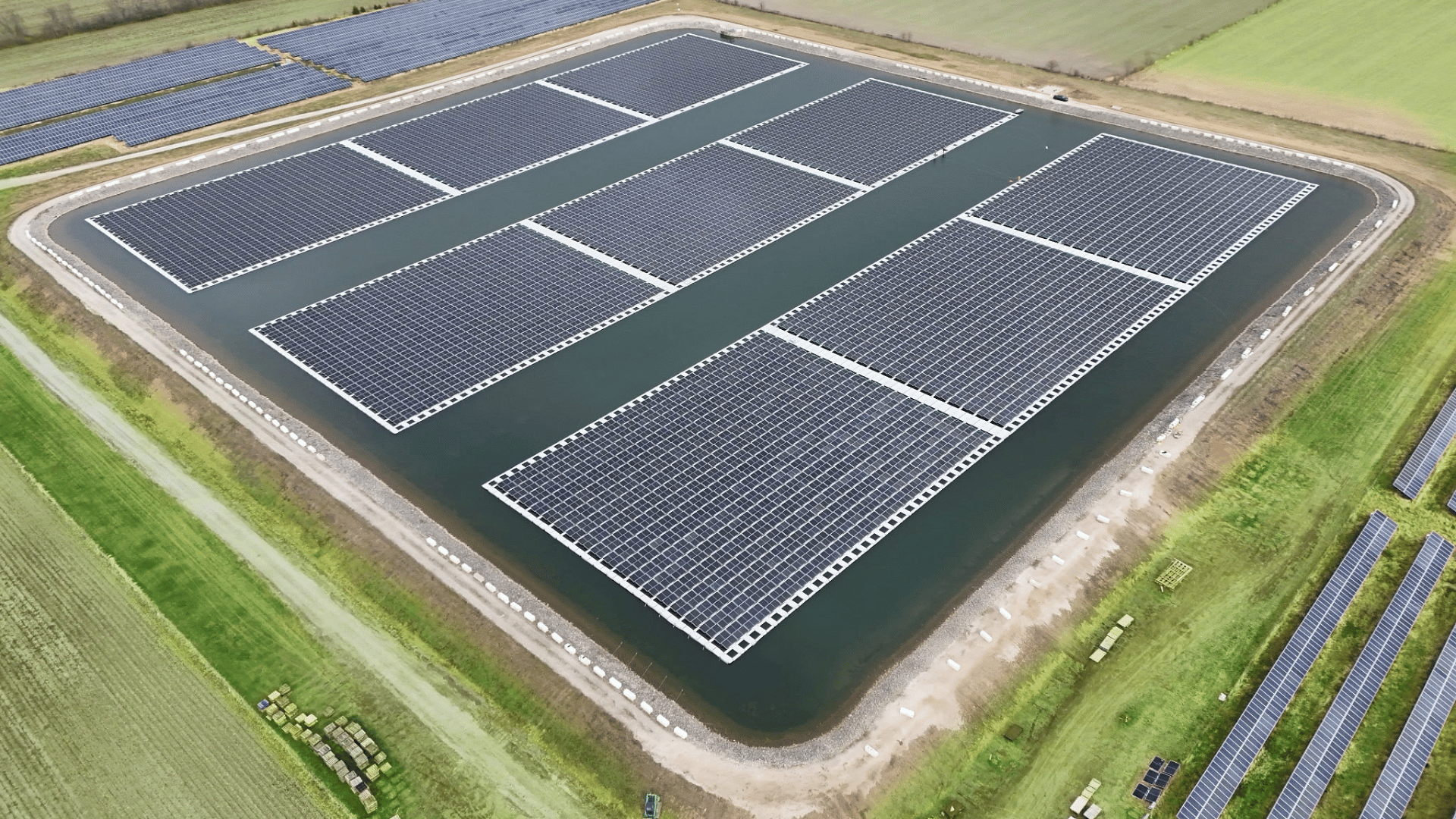
An industrial company named Twelve opened a new facility called AirPlant One in Moses Lake, Washington. The company is making jet fuel and chemical building blocks using just carbon dioxide and renewable electricity. AirPlant One produces the fuel without drilling for oil and relying on crops. Instead, it captures CO2 from the air, mixes it with water and power, and turns it into products we use every day.
Jet Fuel From CO2 and Electricity
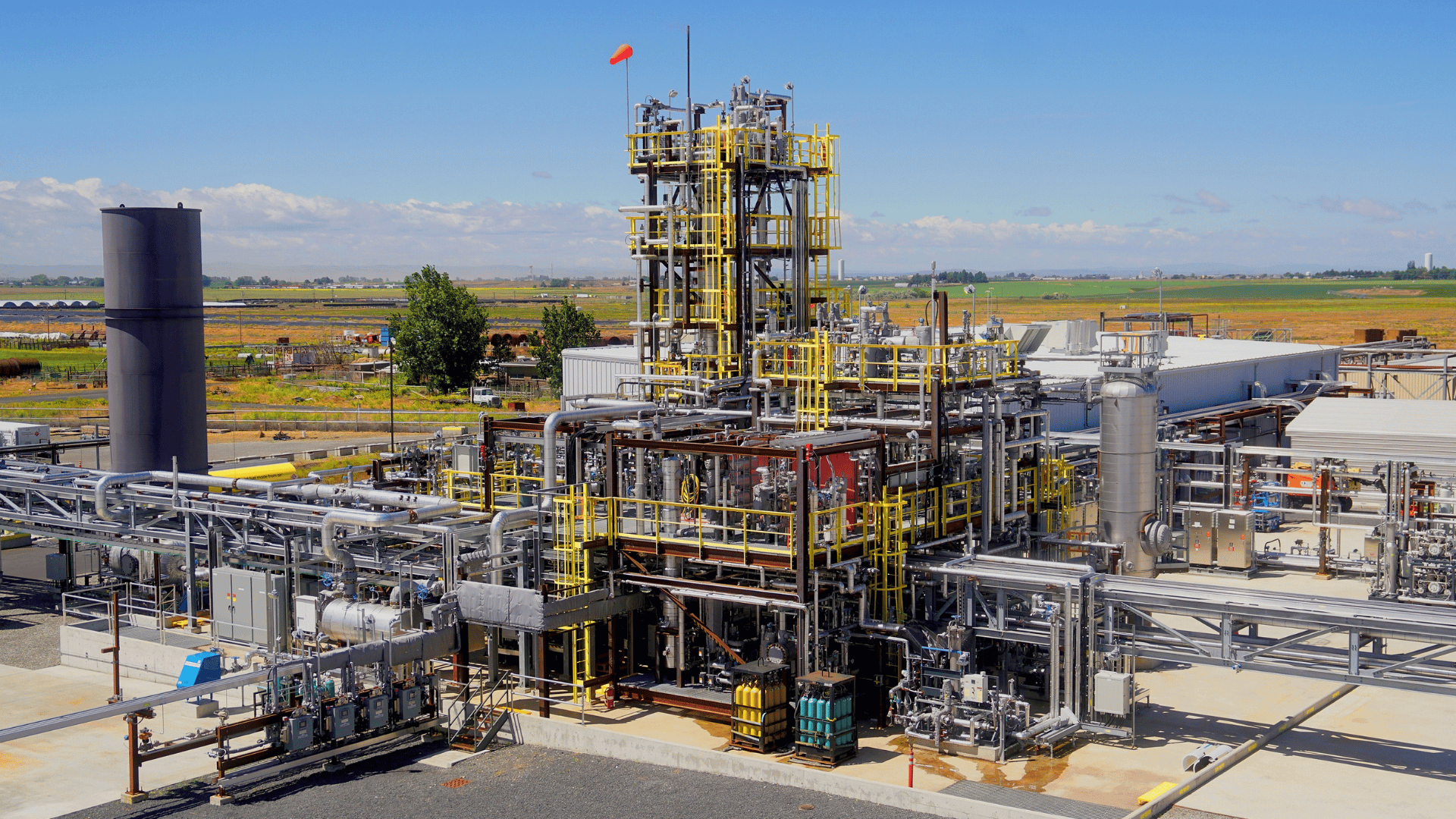
The facility is making a product called E-Jet fuel, a sustainable aviation fuel that works in existing planes and airports without any changes. The fuel is already being sold, and Alaska Airlines will use it for regular domestic flights. Additionally, because the process relies on electricity contracts instead of crude oil markets, Twelve can offer airlines stable fuel prices for up to a decade.
“We broke ground on AirPlant One with a simple thesis: that the fuels powering the global economy could be made from renewable electricity and air, anywhere in the world,” said Nicholas Flanders, Co-Founder and CEO of Twelve. “Today, that thesis is operational and Alaska Airlines will fly on fuel made right here in Washington State. This is what American industrial electrification looks like.”
Advertisement
Major Partnership
A major partnership with global giants helped get AirPlant One off the ground. Alaska Airlines and Microsoft stepped up early to commit to buying the output, which helped fund the construction. Microsoft is applying the credits from the fuel to lower the emissions from their business travel.
“Climate progress depends on collaborations that send signals to investors and innovators to move markets,” said Melanie Nakagawa, CVP and Chief Sustainability Officer, Microsoft. “Our investment in Twelve helps scale energy solutions while laying the groundwork for cleaner aviation at a global scale. We look forward to sourcing future gallons of Washington-produced SAF to help reduce our business travel emissions.”
“As Seattle’s hometown airline, we are committed to supporting in-state production of sustainable aviation fuel, which is currently the best technology for the airline industry to reach net-zero carbon emissions”, said Ryan Spies, Alaska Airlines Managing Director of Sustainability. “Our partnership with Twelve and Microsoft demonstrates the power of innovation and collaboration to successfully advance SAF, while creating new jobs, diversifying fuel supply chains and strengthening energy security.”
AirPlant One will also produce E-Naphtha, a basic material used for things like plastics, packaging, and clothing. This can help manufacturers make everyday goods using captured carbon instead of fossil fuels.
 Read Exclusive Stories
 Bookmark & Save Articles For Later