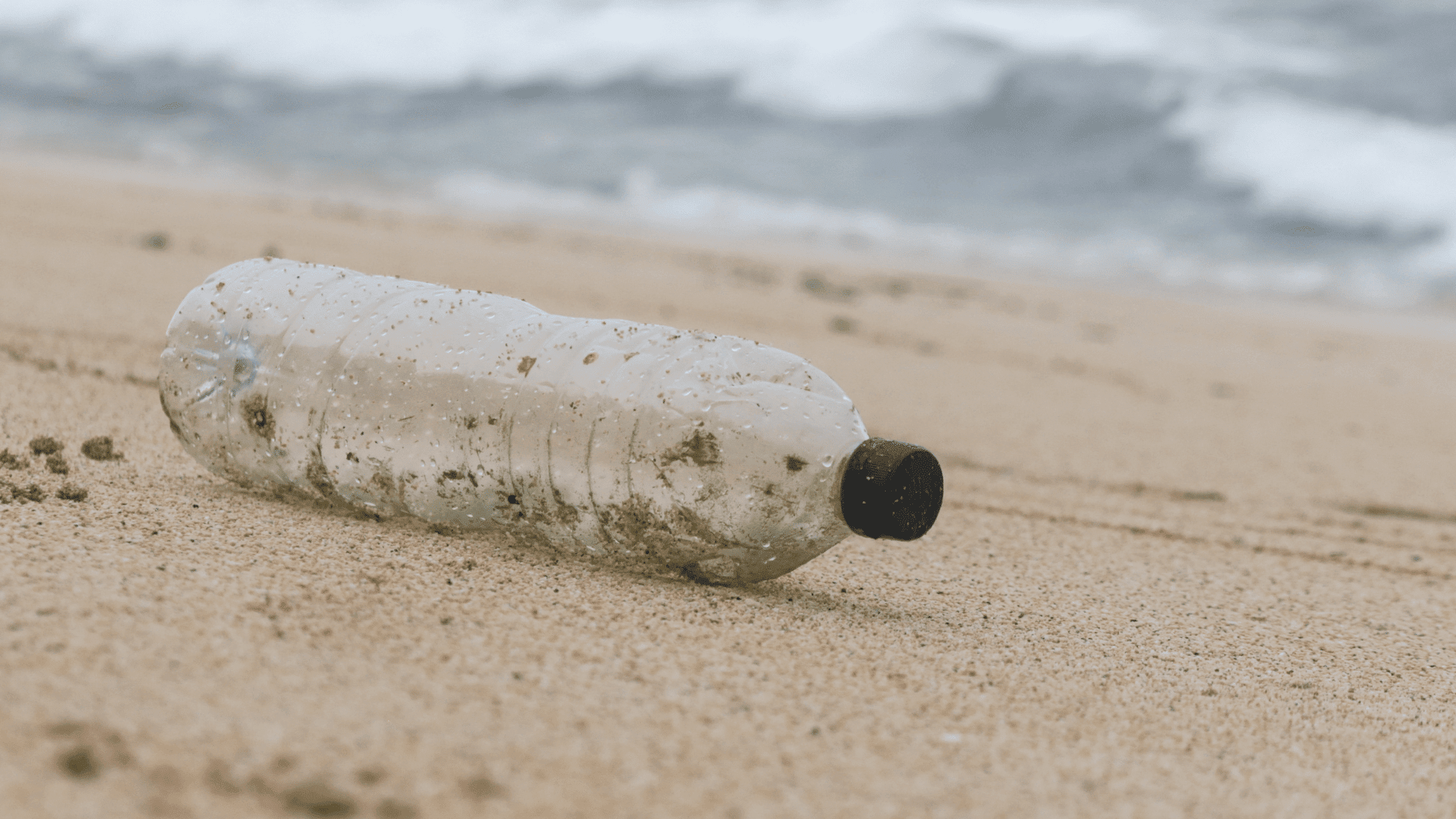
A Rutgers University chemist had an odd inspiration while hiking a trail in Bear Mountain State Park in New York. The sight of plastic bottles littering the trail sparked a fundamental question for Yuwei Gu. He pondered why natural polymers, such as DNA and cellulose, eventually break down while synthetic plastics take centuries.
This inspiration led Gu and a team of scientists to develop a new method for creating plastics that can be programmed to degrade naturally.
Their research addressed the core problem of polymer chemistry. Polymers are long chains of repeating units, which are the foundation of durable plastics and natural materials. According to researchers, nature builds tiny helper groups into its polymers that make it easier to break down at the end of their life.
“I thought, what if we copy that structural trick?” Gu hypothesized. “Could we make human-made plastics behave the same way?”
New Strategy for Biodegradable Plastics
Advertisement
Researchers say the idea worked. They borrowed the principle from biology to demonstrate the creation of plastics that break down under everyday conditions, without the need for heat or harsh chemicals. The key to their discovery was manipulating the spatial arrangement of components within the plastic’s structure. Essentially, the researchers “pre-folded” the material to tear easily when triggered.
As a result, the technique transforms degradation from a random process to a programmable one.
“Most importantly, we found that the exact spatial arrangement of these neighboring groups dramatically changes how fast the polymer degrades,” Gu said. “By controlling their orientation and positioning, we can engineer the same plastic to break down over days, months or even years.”
The research aims to solve the global plastic crisis. In addition, it opens the door to broader innovations, including smarter materials, timed-release capsules, and self-erasing coatings. “Our strategy provides a practical, chemistry-based way to redesign these materials so they can still perform well during use but then break down naturally afterward,” Gu said.
Early lab tests indicate that the breakdown liquid is non-toxic. However, Gu and his team are continuing detailed studies on the environmental safety of the plastic fragments and how they could be implemented into current manufacturing methods.