It’s well known at this point that recycling is incredibly difficult to recycle. This is mainly because of the immense time and effort it takes to do that. Most of the time, different types of plastic get mixed together and end up in a landfill or incinerator.
Among the many efforts of finding ways to efficiently recycle plastics is a research team at the University of Amsterdam (UvA).
Led by Associate Professor Dr. Shiju Raveendran, the team created a process called Solvothermal Liquefaction (STL). The process uses heat, pressure, solvents, and catalysts to turn mixed household plastic waste into a dark brown oil. This oil contains molecules that could be transformed into a brand-new, virgin plastic.
A New System for Plastic Waste Recycling
A significant part of the process is how it “eats” all types of plastic simultaneously, which eliminates the need to sort through the trash first. In the lab, the team created special nanostructured solid catalysts to speed things up. After just 30 minutes in the reactor, the mixed plastic breaks down into gas, oil, and char.
Advertisement
The team filters out the char, saves and reuses the water, and separates the clean oil. Years of lab tests and computer modeling showed the process actually works.
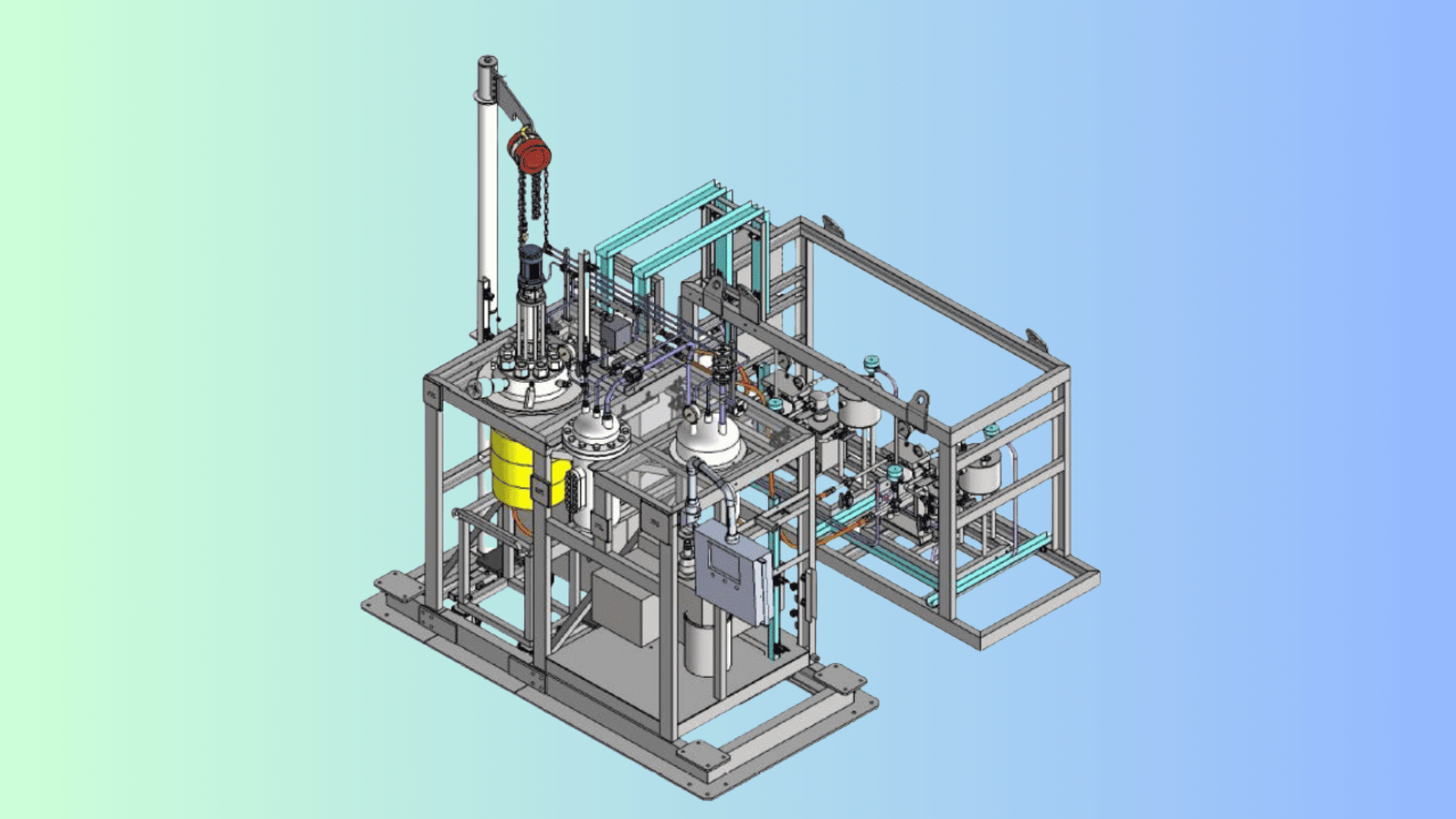
“We have gained a deep insight into the process and are confident that it merits scaling up to industrially relevant volumes,” Raveendran said. “That’s why we have now designed and manufactured a pilot reactor system as a first important step towards actual application.”
Getting the Process Out of the Lab
To test this outside the lab, the team worked with an Indian engineering firm to build a 25-liter reactor system. It comes with storage tanks, safety systems, and remote controls. The equipment passed its final factory safety tests in April and is now being packed into a transportable unit.
This summer, the unit will ship to Spain and sit at a facility run by COGERSA, a public waste management company, to see how it handles real municipal trash. The project is part of a larger European effort called PLASTICE, which gave Raveendran over 1.5 million euros to move the technology closer to industrial use.
“Our lab experiments already included actual plastic waste, but we will certainly encounter challenges we could not fully foresee,” Raveendran said. “That is precisely the purpose of this scale-up phase – to move the technology toward genuine industrial relevance.”
 Read Exclusive Stories
 Bookmark & Save Articles For Later