NASA just finished a huge task. Their SPHEREx space telescope, which launched back in March, just finished its first map of the entire sky. But this isn’t a normal map. It shows the universe in 102 different infrared colors.
Humans can’t see infrared light, but it’s everywhere in space. By looking at the sky this way, scientists can start to answer some of our biggest questions. They want to know how the universe changed over 14 billion years and where the ingredients for life are hiding in our own galaxy.
Shawn Domagal-Goldman, who leads NASA’s Astrophysics Division, said, “We essentially have 102 new maps of the entire sky,” he said. “I think every astronomer is going to find something of value here.”
The Mantis Shrimp of Space
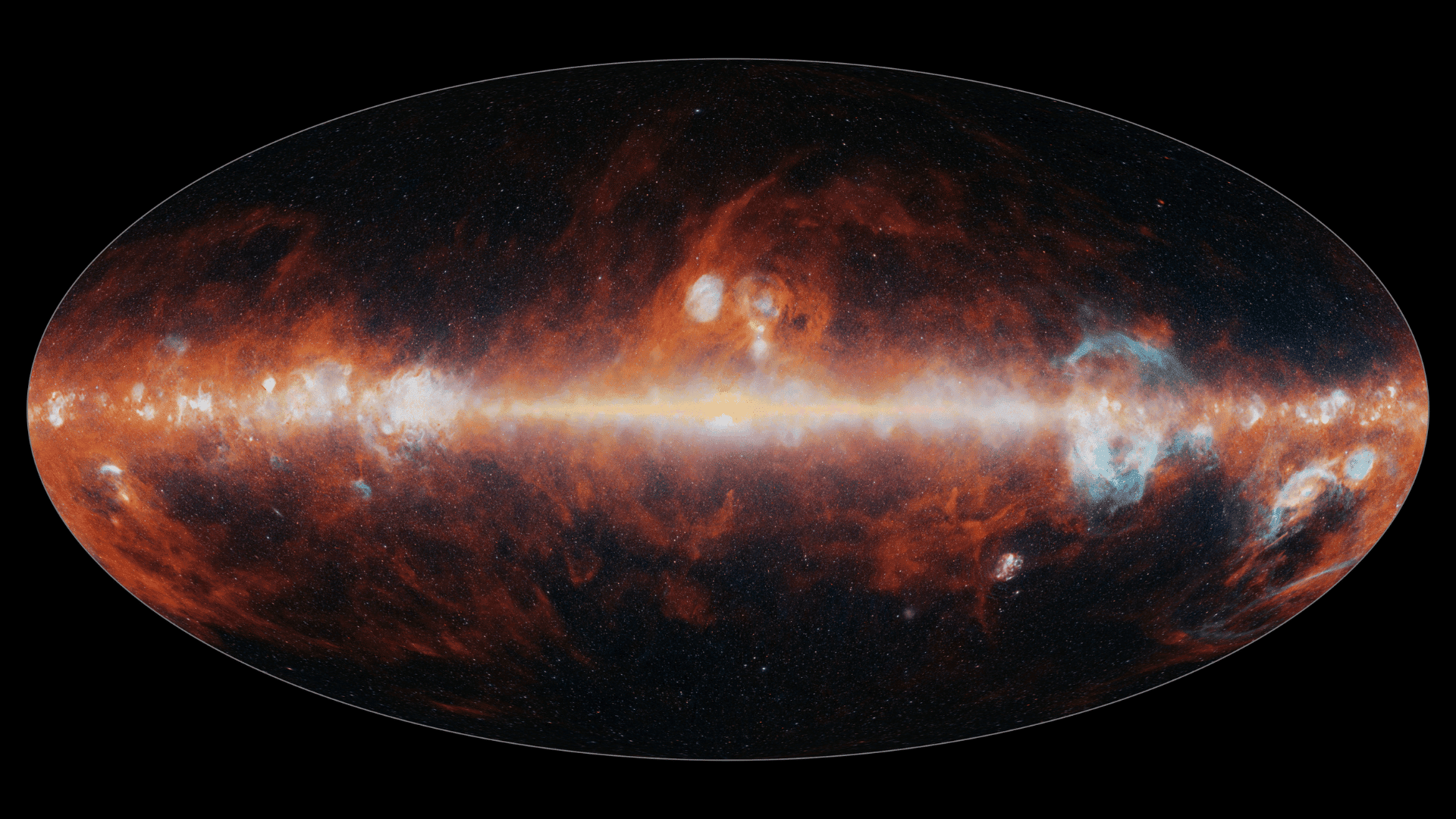
So, why do 102 colors matter? Most telescopes only see a few. To explain it, Beth Fabinsky, the project manager at JPL, used a great example from nature. “I think this makes us the mantis shrimp of telescopes,” she said. “We have an amazing multicolor visual detection system, and we can also see a very wide swath of our surroundings.”
Every six months, SPHEREx scans everything, circling the Earth about 14 times a day, moving from pole to pole. As the Earth moves around the sun, the telescope sees a new slice of the sky. By the end of its two-year mission, it will have scanned the whole sky four times.
Advertisement
A 3D Look at the Past
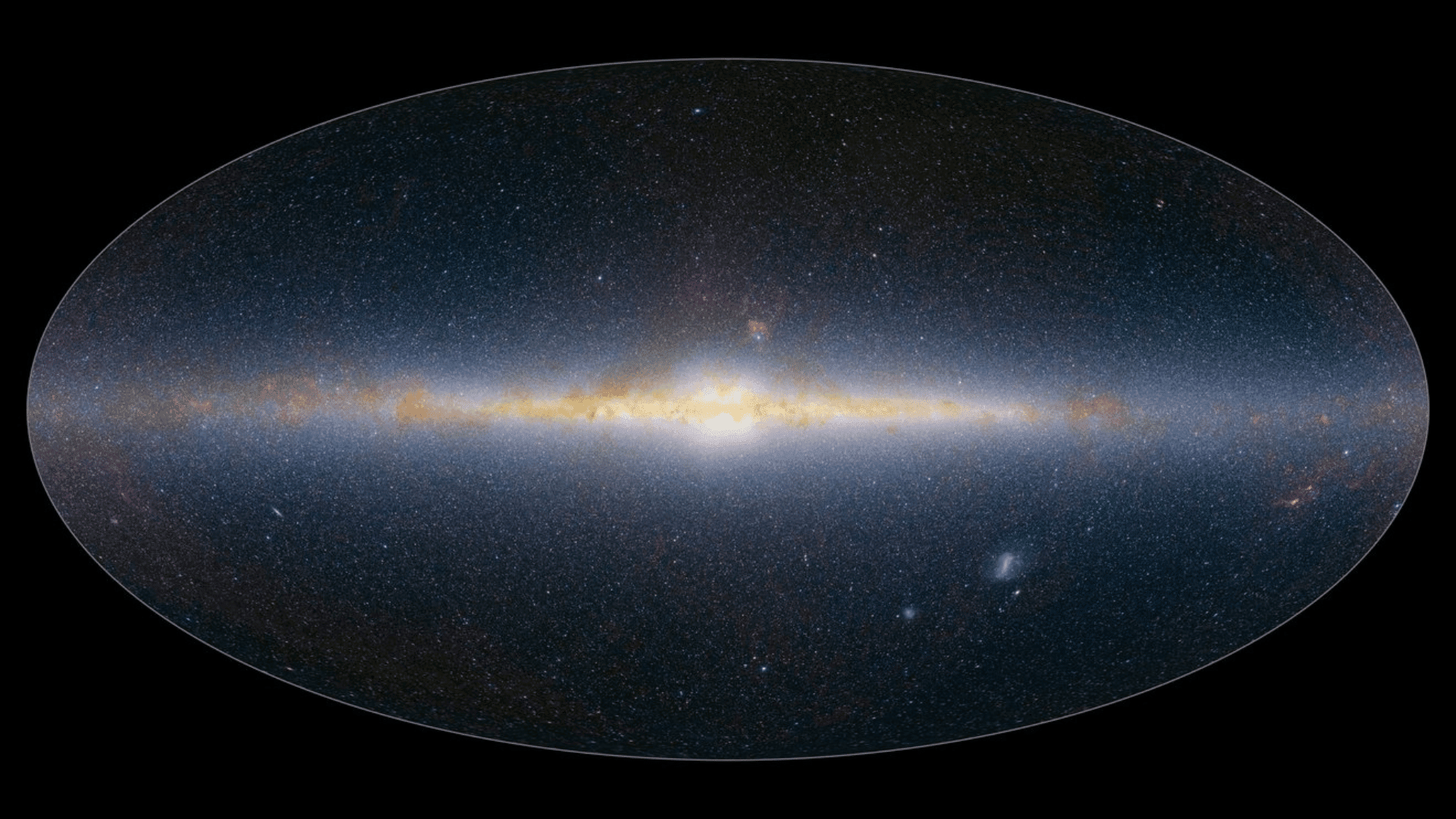
Most maps of space are flat, like a photo. However, SPHEREx uses those 102 colors to figure out how far away things are. This lets scientists build a 3D map of hundreds of millions of galaxies.
This 3D view helps us look back in time. Scientists are specifically looking for clues about a moment called “inflation.” This happened right after the Big Bang when the universe grew incredibly fast.
Even though it’s doing big work, the mission itself is a bit of an underdog. JPL Director Dave Gallagher says, “SPHEREx is a mid-sized astrophysics mission delivering big science.”
The best part? All this data is free. Anyone can look at these 102 maps to see what’s out there.