Researchers used data from the now-retired Gaia space telescope, a European Space Agency observatory that charted the movements of millions of stars in high definition, to find thousands of stellar “twins” or stars with similar ages, temperatures, surfaces, and compositions to the sun. This discovery alludes to a big stellar migration, which could explain why there’s life in our solar system.
Mass Migration of Sun “Twins”
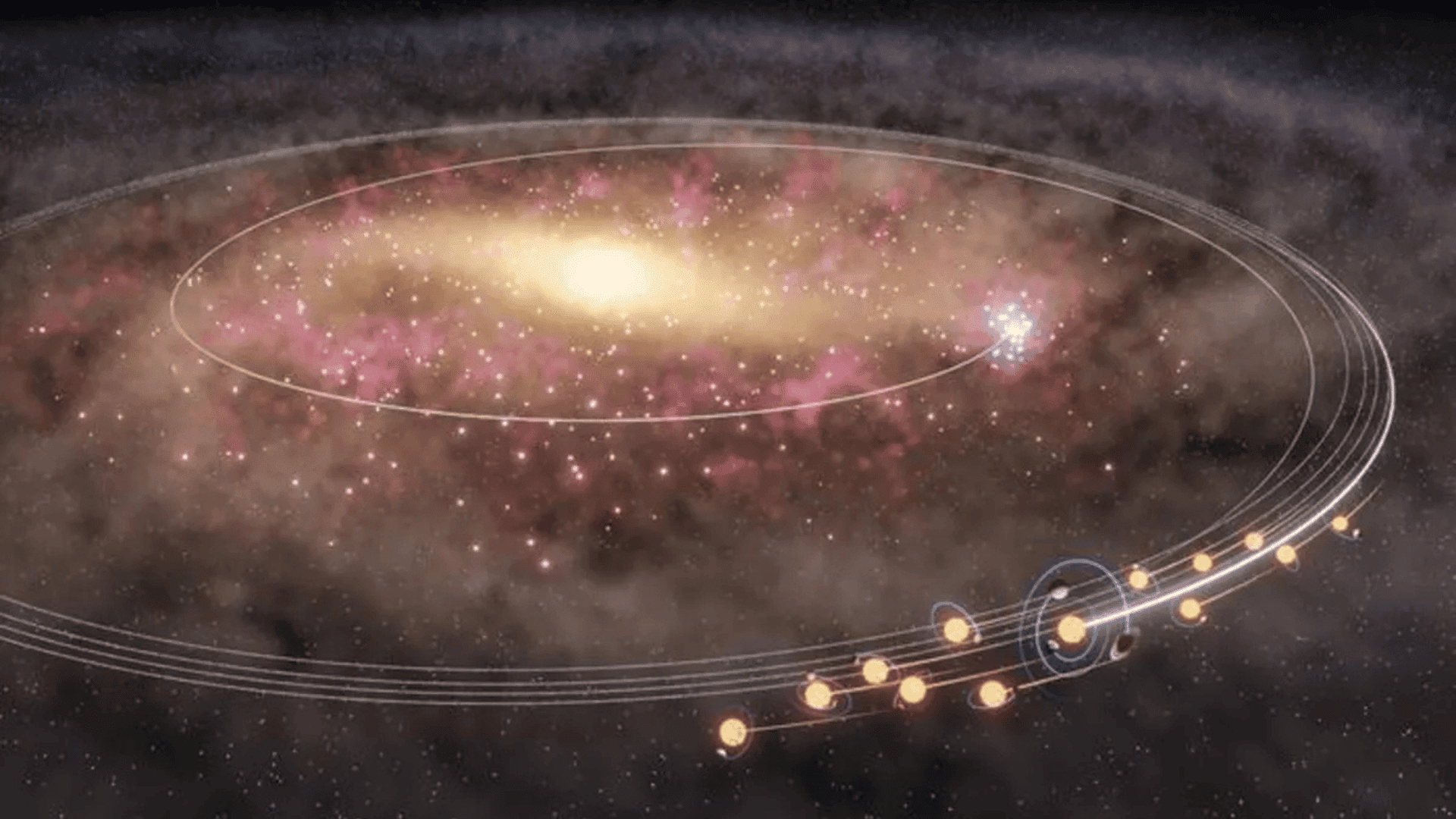
The telescope spotted 6,594 stellar “twins”, which is approximately 40 times more than previous surveys yielded. The sibling stars were mainly spotted around our sun’s “neighborhood”, indicating a mass movement of stars out of the galaxy’s center over billions of years.
“By studying a large population of these solar twins, we found evidence suggesting that many solar twins of the same age migrated through the Milky Way around the same time as the sun, giving us new clues about when and how the sun moved from its birthplace to its current location,” Daisuke Taniguchi, an assistant professor at Tokyo Metropolitan University who co-led the team with Takuji Tsujimoto from the National Astronomical Observatory of Japan, told Live Science.
Advertisement
Taniguchi led one of the studies published in the journal Astronomy & Astrophysics and co-authored the other. The studies purport that when the central “bar” of stars and gas in the Milky Way formed, this process accelerated star formation and sent a number of stars into other regions of space. This movement or “migration” also included Earth’s sun.
“We propose that the formation of the Milky Way’s central bar enhanced star formation and also triggered large-scale migration, leading to the formation and outward migration of the sun—and many solar twins,” Taniguchi said.
Previous studies have suggested that the sun must have moved by at least a few thousand light-years out of the galaxy’s center, but this confused experts because the Milky Way serves as a “barrier” for stars moving far away. Researchers are speculating that the barrier only formed after all of the stars left this area.
“This scenario, if correct, could also provide new constraints on the epoch of the galactic bar formation,” Taniguchi said.