After a Chicago-area man lost his left arm in a 2016 construction accident, he became the first person in the U.S. to get a bionic arm connected directly to his bone, nerves, and muscles.
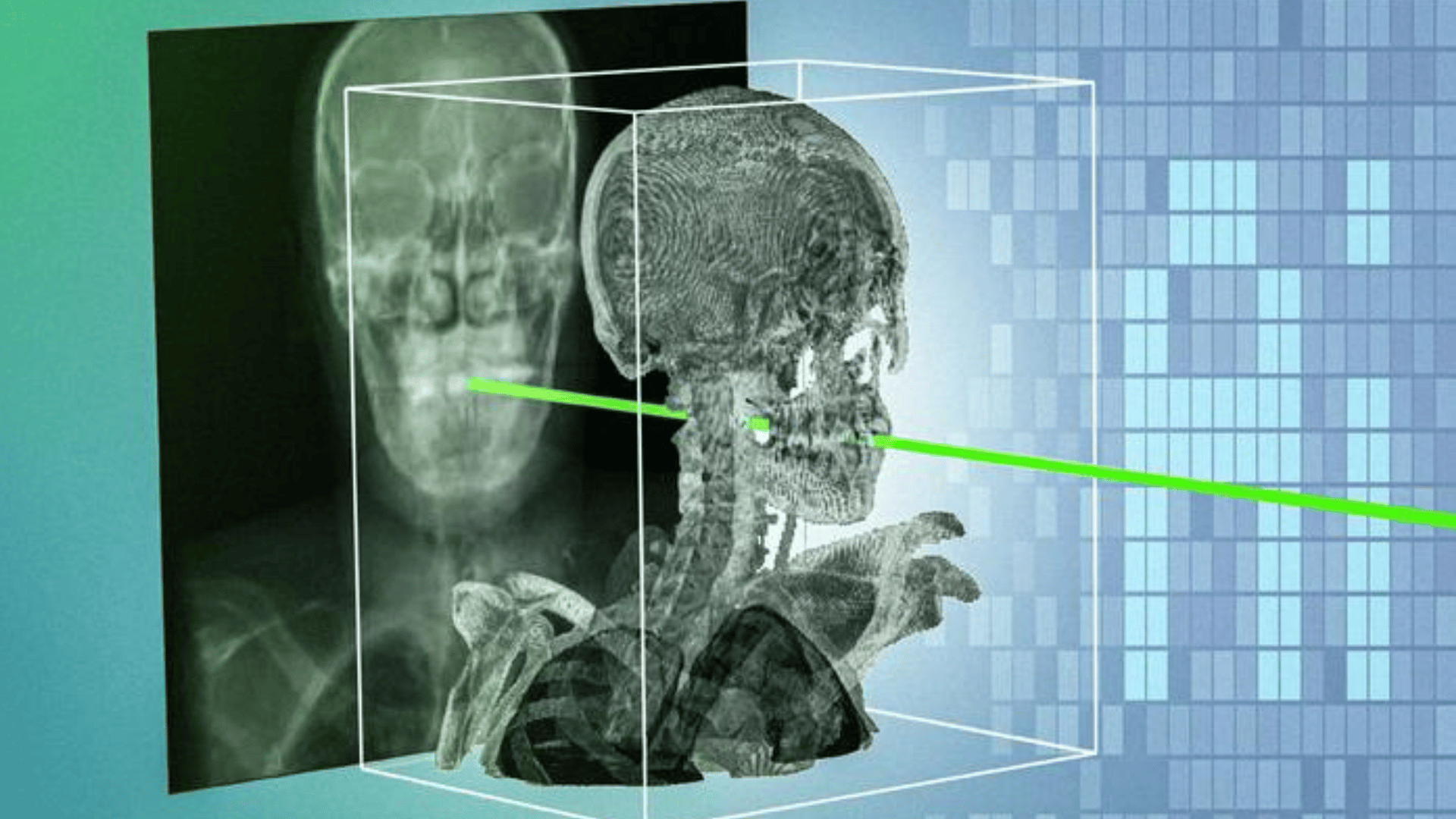
During an eight-hour surgery at Northwestern Memorial Hospital, doctors placed a titanium fixture into his remaining bone and attached electrodes to his muscles and nerves.
Bionic Arm Grows into the Bone
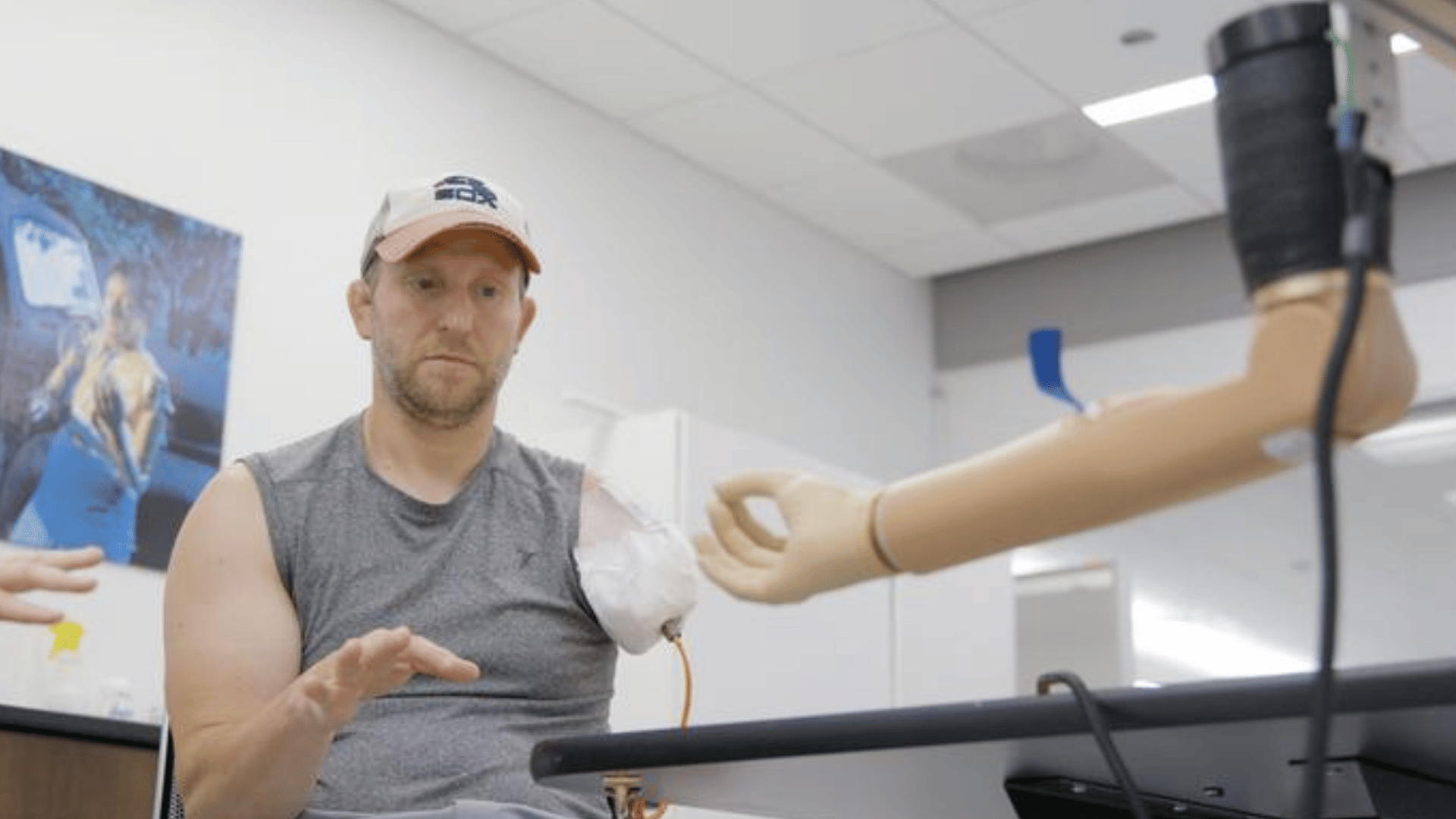
Most artificial arms use a socket that fits over the limb. While practical, sockets can be uncomfortable, fit poorly, and limit your movement.
Skipping the socket completely, a metal implant anchors directly into the bone. Over a few months, the bone grows into the metal, and the bionic arm attaches right to the skeleton. Electrodes on the muscles read movement signals, while nerve electrodes send feeling back to the brain.
Advertisement
“This is about the interface, not the arm. e-OPRA takes on two of the hardest problems in the field at once,” Dr. Levi Hargrove explained. “It anchors the prosthesis directly to the skeleton, which eliminates the socket, and it puts the electrodes on the muscles and around the nerves — where the signals are clean, stable, and can travel in both directions.”
More Research Needed
The medical team will test this setup on eight people in total.
“This e-OPRA surgery was unique because the implanted nerve cuffs will provide sensory feedback to the missing hand when the patient uses his new bionic arm, considered to be the ‘holy grail’ for neuroprosthetics,” Dr. Jason Ko added. “The combination of a bone-anchored prosthesis, internal muscle and nerve electrodes represents a major advancement in prosthetic technology. Now, the electrical signals that control the bionic arm will not be affected by sweat, skin motion, swelling, or other external factors that prevented our patient from successfully using a bionic arm previously.”
Right now, doctors are already catching the muscle signals that will eventually control his arm. The full study wraps up in 2030.
 Read Exclusive Stories
 Bookmark & Save Articles For Later