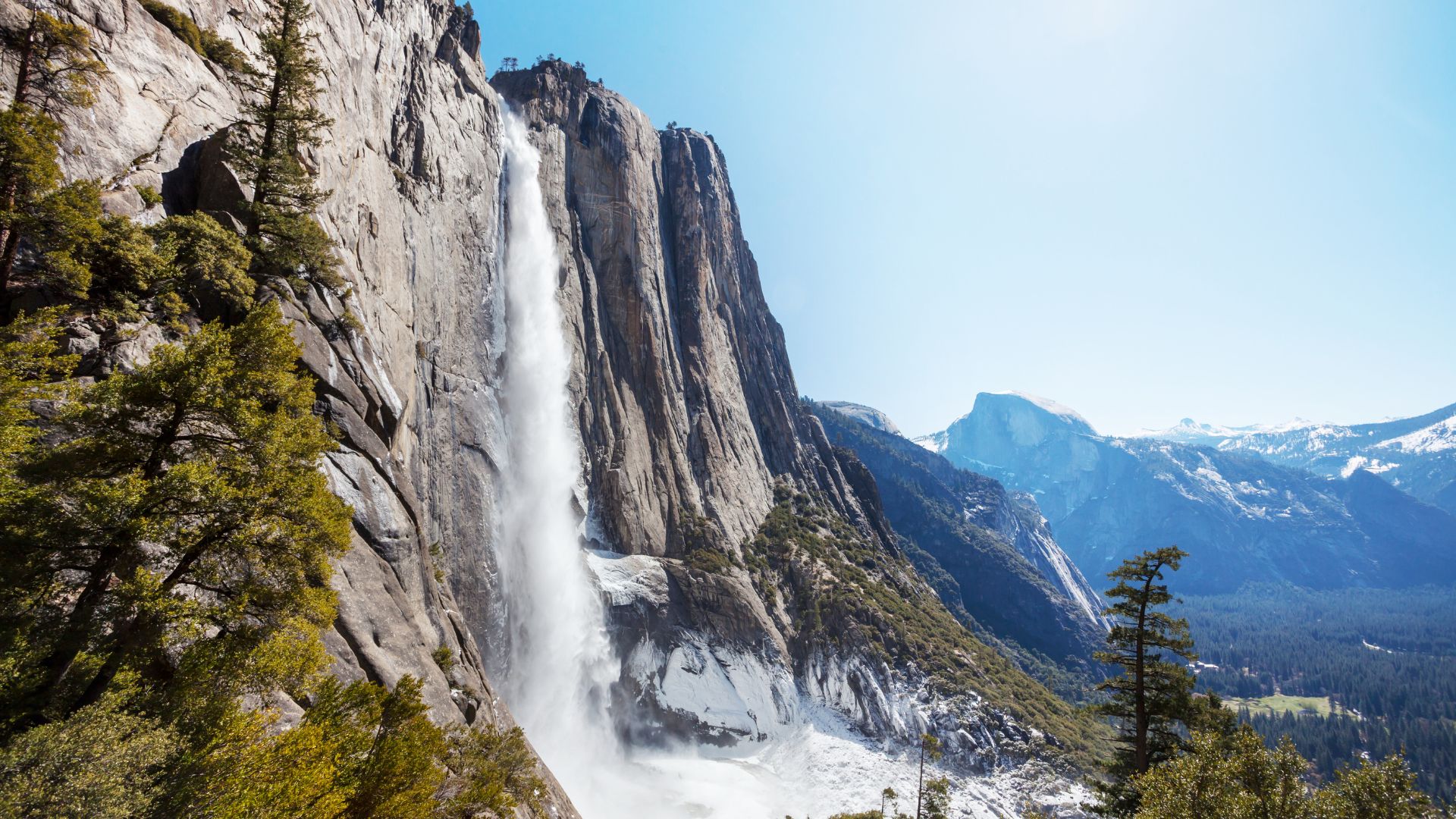
If you are looking for a location that showcases a special effect, one of the best places to visit is Yosemite in California. More specifically, look at the small waterfall called Horsetail Fall, which cascades off the side of El Capitan.
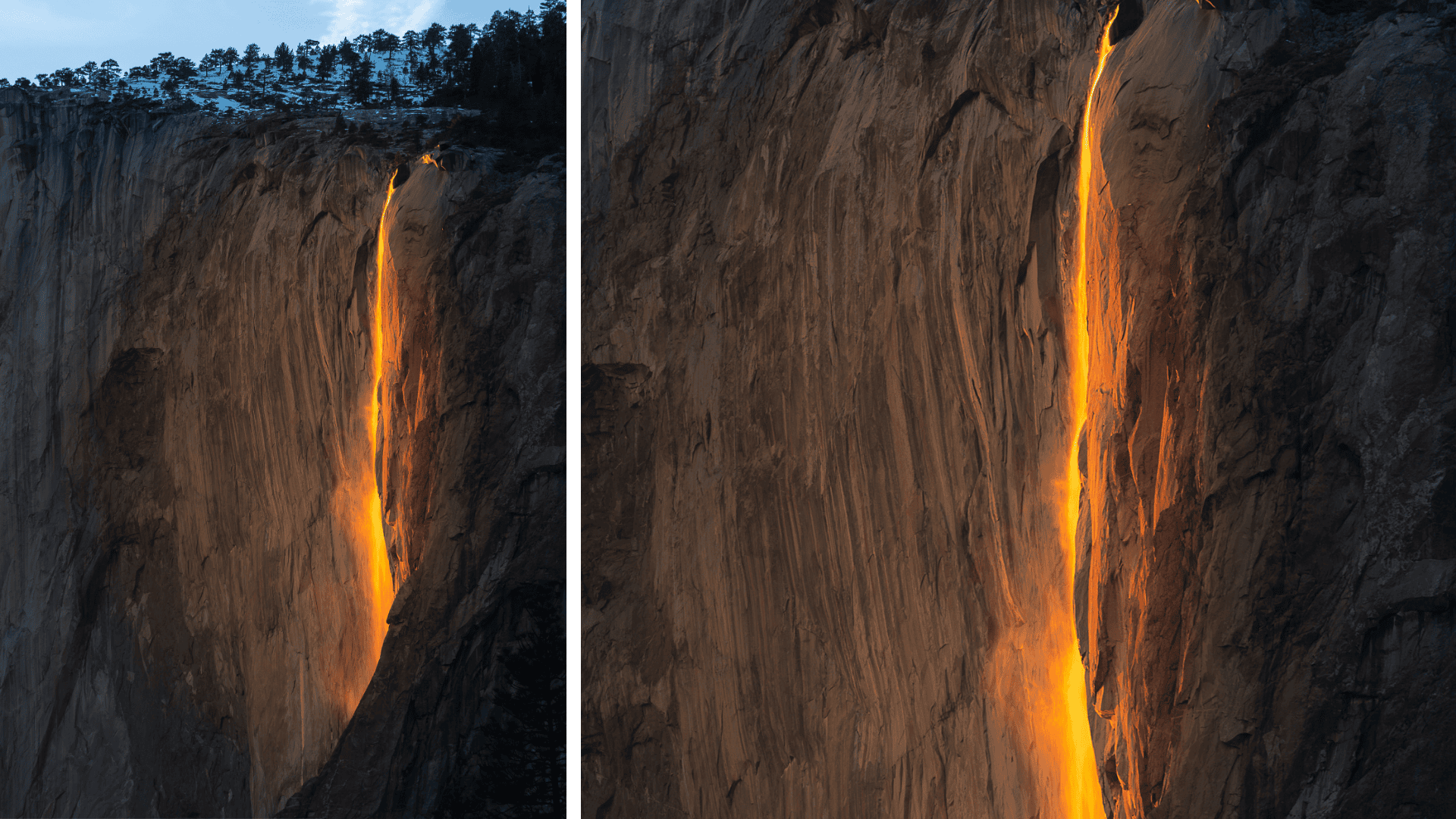
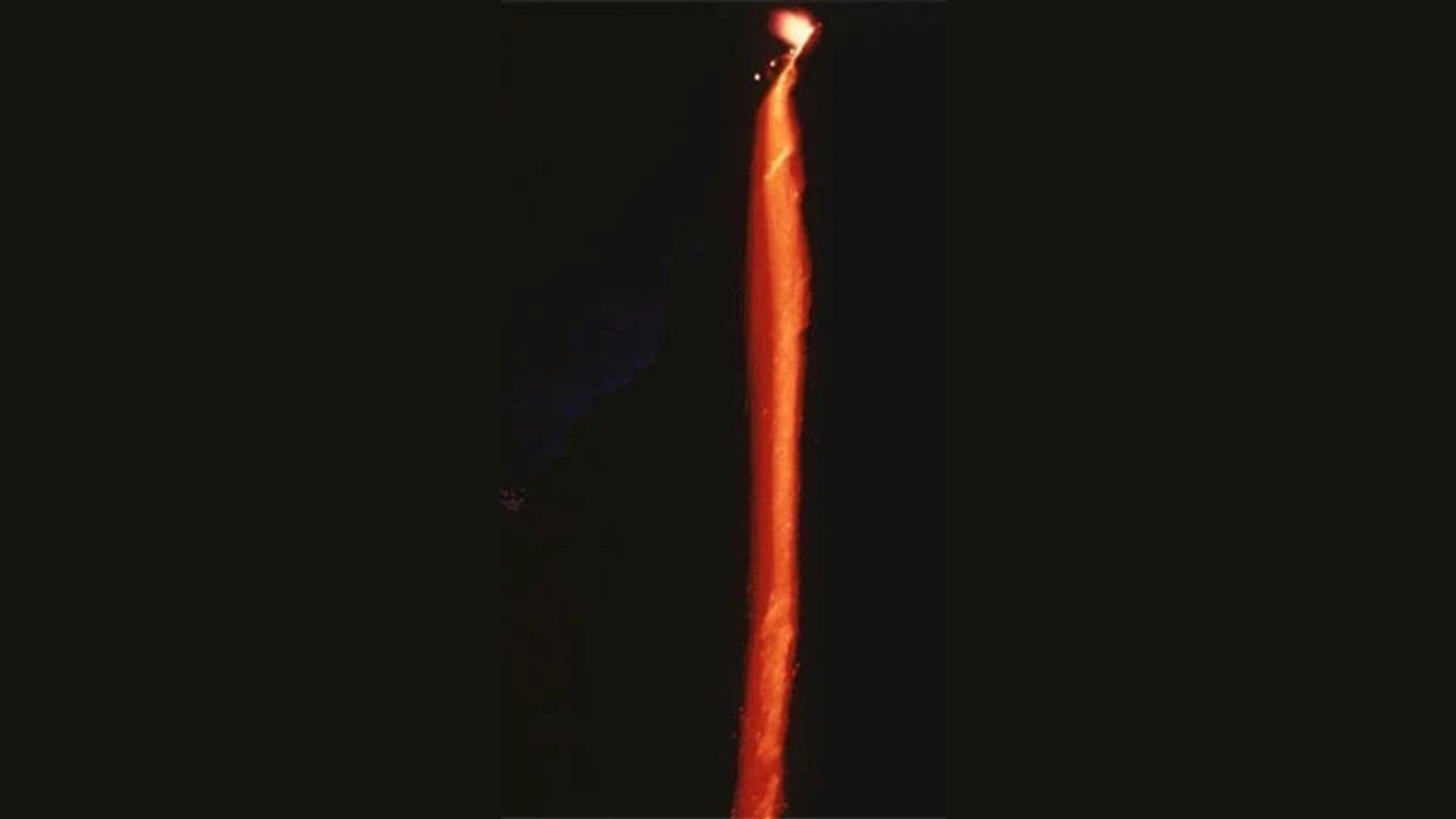
The waterfall is relatively bland for the majority of the year. However, for a few days in February, when the sun begins to set, the waterfall transforms into a bright orange waterfall that looks to be lava flowing off the cliff. People refer to this as the Firefall, which is one of the most striking visual phenomena in the park.
The Science Of The Glow
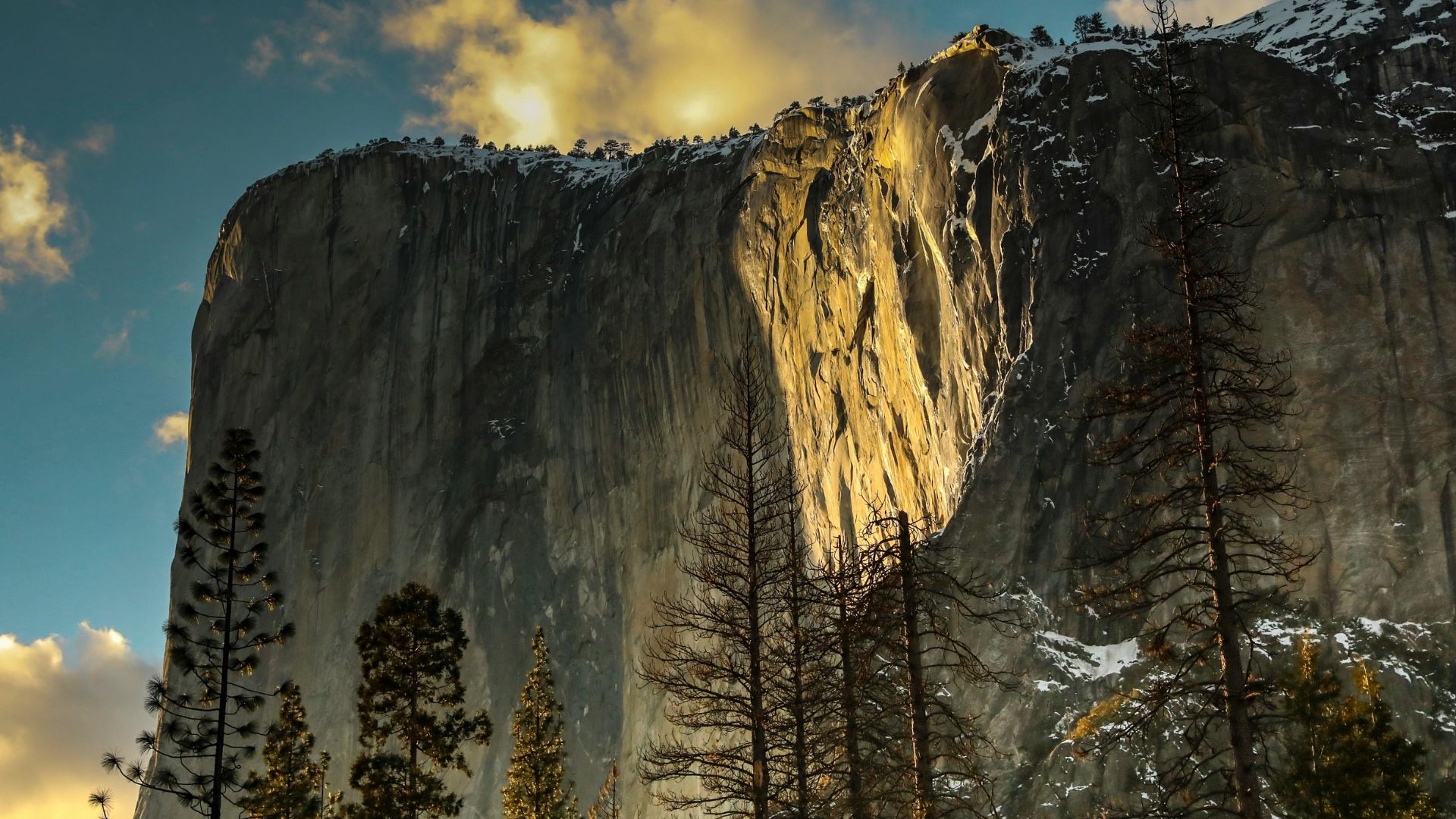
This phenomenon is, in truth, an optical illusion. The sun sets behind El Capitan, casting its light on the waterfalls. However, the conditions have to be absolutely perfect.
The snowmelt off the heights of El Capitan has to be sufficient. If it is too dry during the winter months, there will be no water to reflect sunlight. Additionally, the skies have to be clear west of the area. Any clouds on the horizon will reflect the sun in another direction, preventing the reflection of the setting sun. Therefore, people have to wait in the cold for several hours and see no light at all.
A History Of Real Fire
While this natural phenomenon is striking, Yosemite actually once hosted a fake Firefall. Between the 1800s and 1968, workers set massive fires in the Glacier Point area of the park.
Once the fire began to die down and the remaining embers became hot coals, they would push them off the cliff to entertain the tourists below. This practice ended when the park began to experience wildfire issues.
Advertisement
However, photographer Galen Rowell captured the natural Firefall. From then on, nature’s version of the Firefall began to be seen as the more desirable version of the otherwise dangerous fire display.
Catching The Perfect Shot
The Firefall is a highly visual natural phenomenon that occurs for only about two weeks every year. Therefore, the park is home to some of the most popular tourist attractions.
In recent years, the National Park Service has had to begin requiring reservations for visitors who would like to enter the park during these February weeks. Visitors must park miles away from the park and then walk in the snow to view the area. However, it is one of the most stunning natural displays in the park.
 Read Exclusive Stories
 Bookmark & Save Articles For Later