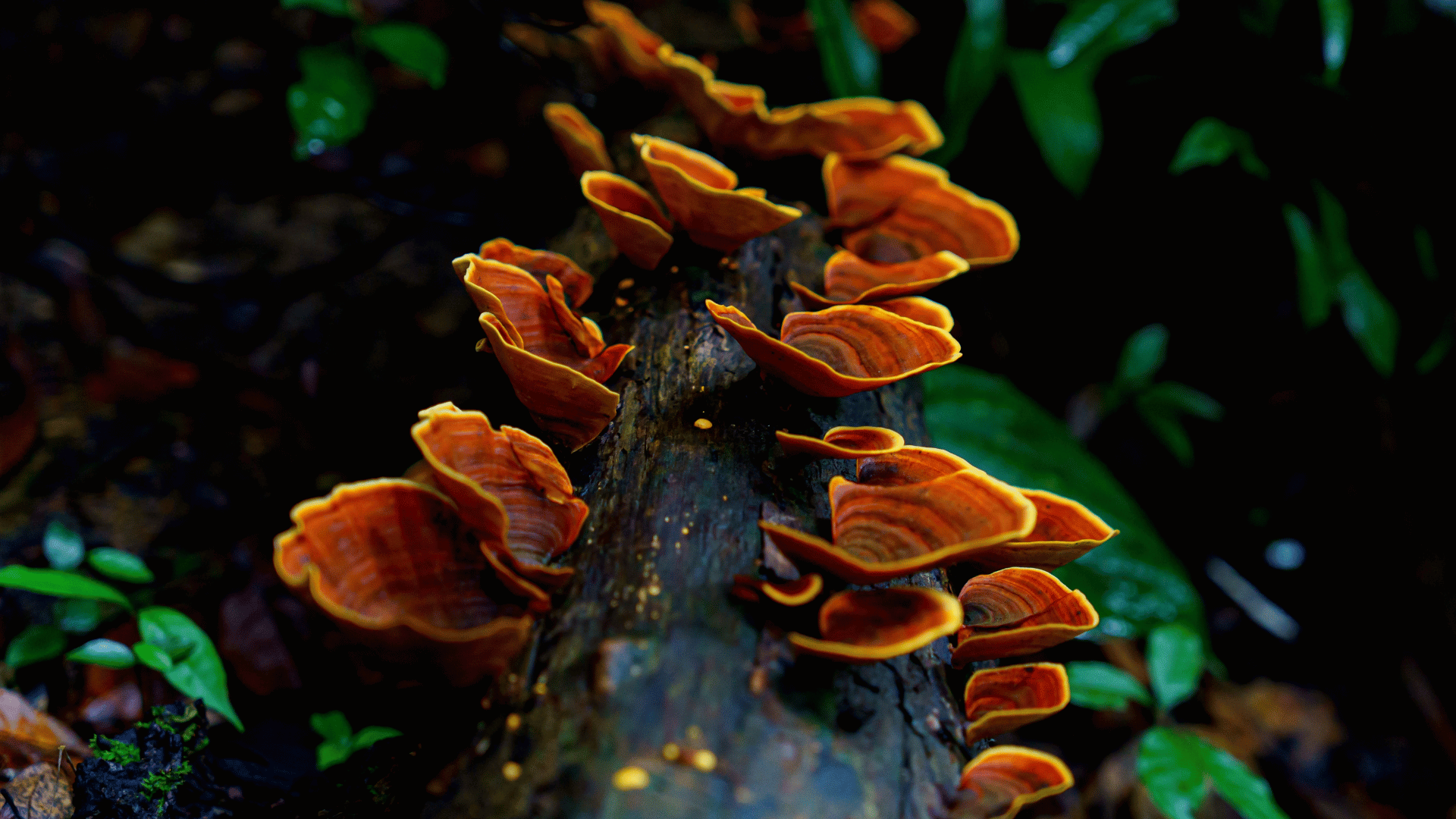
Can fungi cause rain? Some fungi can produce proteins that freeze water, which may allow them to reach into the atmosphere and trigger rain. The secret to this process is a gene from an ancient bacteria.
Can Fungi Influence The Weather?
Some bacteria have proteins in their cell membranes that allow them to freeze water at high temperatures of about 23 degrees Fahrenheit. Though this has long been known about bacteria, not as much is known about fungi that exhibit this same ability.
“We just wanted to figure out how this works,” said Boris Vinatzer, a microbiologist at Virginia Tech and co-author of the new study, which was published March 11 in the journal Science Advances.
Researchers studied two strains of fungi in the Mortierellaceae family to find more about this process, also known as ice-nucleating. As they searched for the ice-nucleating protein, they looked for genes that had characteristics similar to those known of the bacterial ice-nucleating proteins.
They found a candidate that was nearly identical to a bacterial gene called InaZ. When they transferred the fungal gene into a yeast cell, the yeast also gained the ability to create ice.
Advertisement
“We confirmed that that particular DNA fragment actually makes ice nucleation proteins,” he stated.
What Are The Evolutionary Benefits?
This finding led researchers to believe that, likely millions of years ago, an ancestral fungus gained this gene from its bacterial neighbors and then produced its own. How the fungi are using this ability and the evolutionary benefits still remain unknown.
One theory is that the bacteria are being used to attack and damage plants, causing the plant to emit nutrients or allowing the bacteria to invade while it’s in a weakened state. It may also be used to call down rain, as ice-forming bacteria like P. syringae are known to be part of the water cycle and play a significant role in precipitation.
After being swept into the clouds by wind or evaporation, the ice-nucleating ability generates tiny crystals that eventually grow large enough to fall as rain or snow. This process appears to be similar to the ice-nucleating proteins emitted by fungi.
During times of severe drought, cloud-seeding operations use a toxic chemical called silver iodide to generate ice crystals. Perhaps the benign organic protein could one day be a more sustainable and effective solution.
“These proteins could be an alternative to toxic silver iodide,” Vinatzer said. “If we can figure out how to produce them, why not use them instead?”
 Read Exclusive Stories
 Bookmark & Save Articles For Later