A company in Vancouver, Moment Energy, gives old batteries from electric vehicles a new job. They recently opened Megafactory 1, which is now the largest facility in the world for repurposing EV batteries. The facility officially opened on June 23, 2026, only six weeks after the project was announced.
The factory takes these old car batteries and turns them into energy storage systems. These setups help support critical infrastructure that needs a steady flow of electricity, like data centers, hospitals, factories, and microgrids.
Solving Two Problems at Once
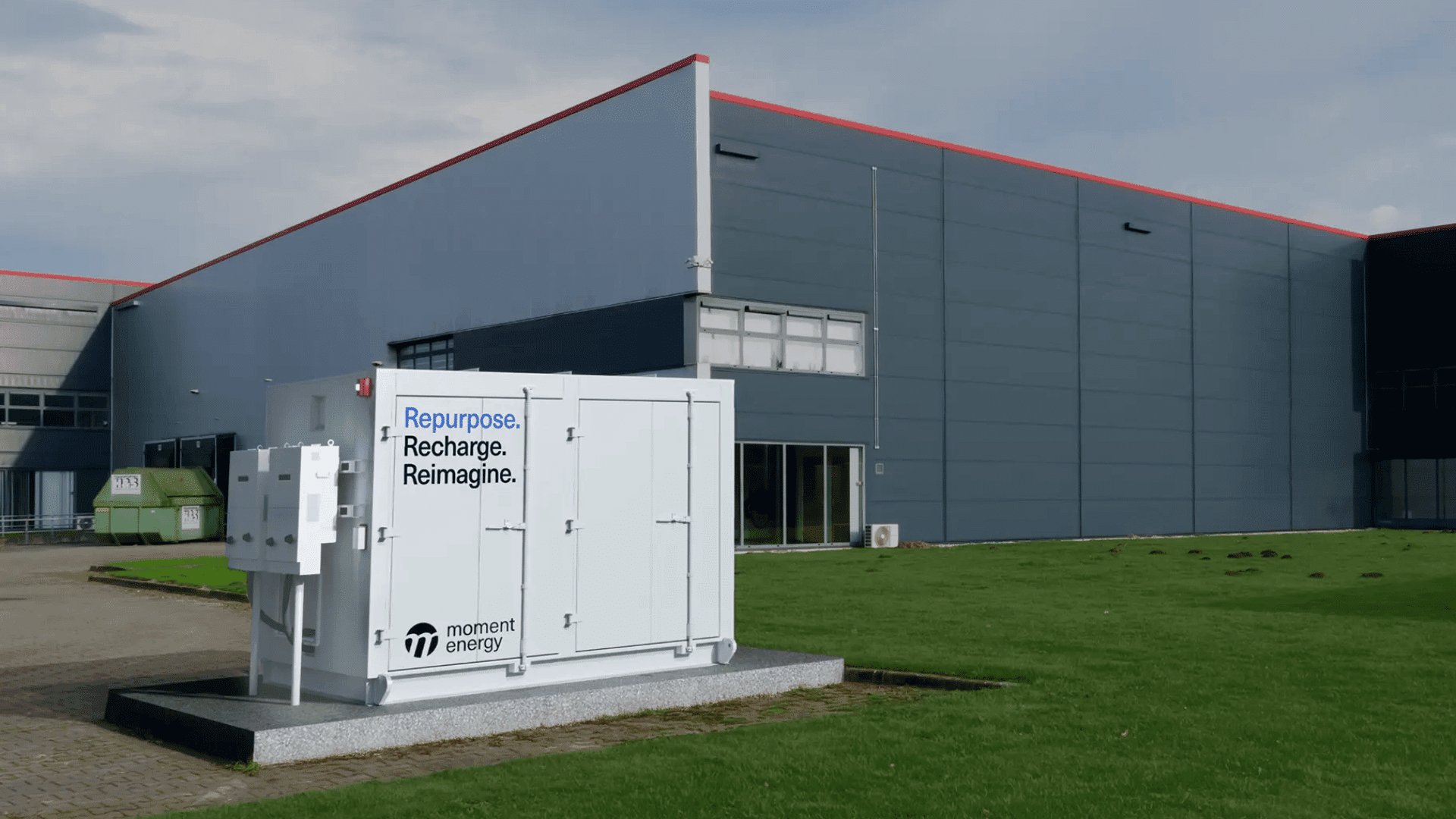
Right now, the demand for electricity is climbing fast, mostly because of AI, new data centers, and general grid upgrades. At the same time, millions of EV batteries in North America are getting close to retirement over the next few years. Moment Energy is tackling both issues. They take the retired batteries and build them into scalable storage units to help with immediate energy shortages.
“Demand for energy storage is accelerating, and so is the supply of retired EV batteries,” Edward Chiang, the Co-Founder and CEO of Moment Energy, explained. “We show that the right technology can enable North America to re-onshore domestic manufacturing in weeks, not decades, creating thousands of jobs and economic prosperity.”
Advertisement
By 2030, this factory expects to produce 1 GWh of battery energy storage. That will create more than 100 direct jobs and support over 1,000 indirect jobs across British Columbia.
A Battery Repurposing Megafactory
Moment Energy started in Vancouver in 2020. Since then, they have raised over $100 million, including a recent $40 million Series B round. They also recently earned the world’s first product and functional safety certification for a battery management system made specifically for second-life EV batteries.
“This is exactly the kind of homegrown innovation we want to see scaling up in British Columbia,” The Honourable Gregor Robertson said. “With PacifiCan’s $4.9 million investment, Moment Energy is expanding clean manufacturing, creating good local jobs, and finding smart solutions to global challenges.”
Robertson added, “This new facility is not only powering a more sustainable future, it is helping to build a stronger, more resilient economy for British Columbians and all Canadians.”
 Read Exclusive Stories
 Bookmark & Save Articles For Later