Glass serves a remarkable range of functions across modern industry. It insulates buildings, protects electronic displays, carries light through optical fibers, enables surgical imaging, and forms the precision lenses inside autonomous vehicle sensors. Each of these applications demands a specific type of glass, processed to meet distinct physical, optical, or structural requirements.
The equipment used to achieve those requirements varies just as widely, which makes the category of glass processing equipments so broad and specialized. Understanding which types of machines exist and where they are applied provides useful insight for manufacturers, engineers, and procurement teams evaluating their options. The choice of equipment can determine product quality, production speed, and long-term cost efficiency.
Cutting and Scoring Systems
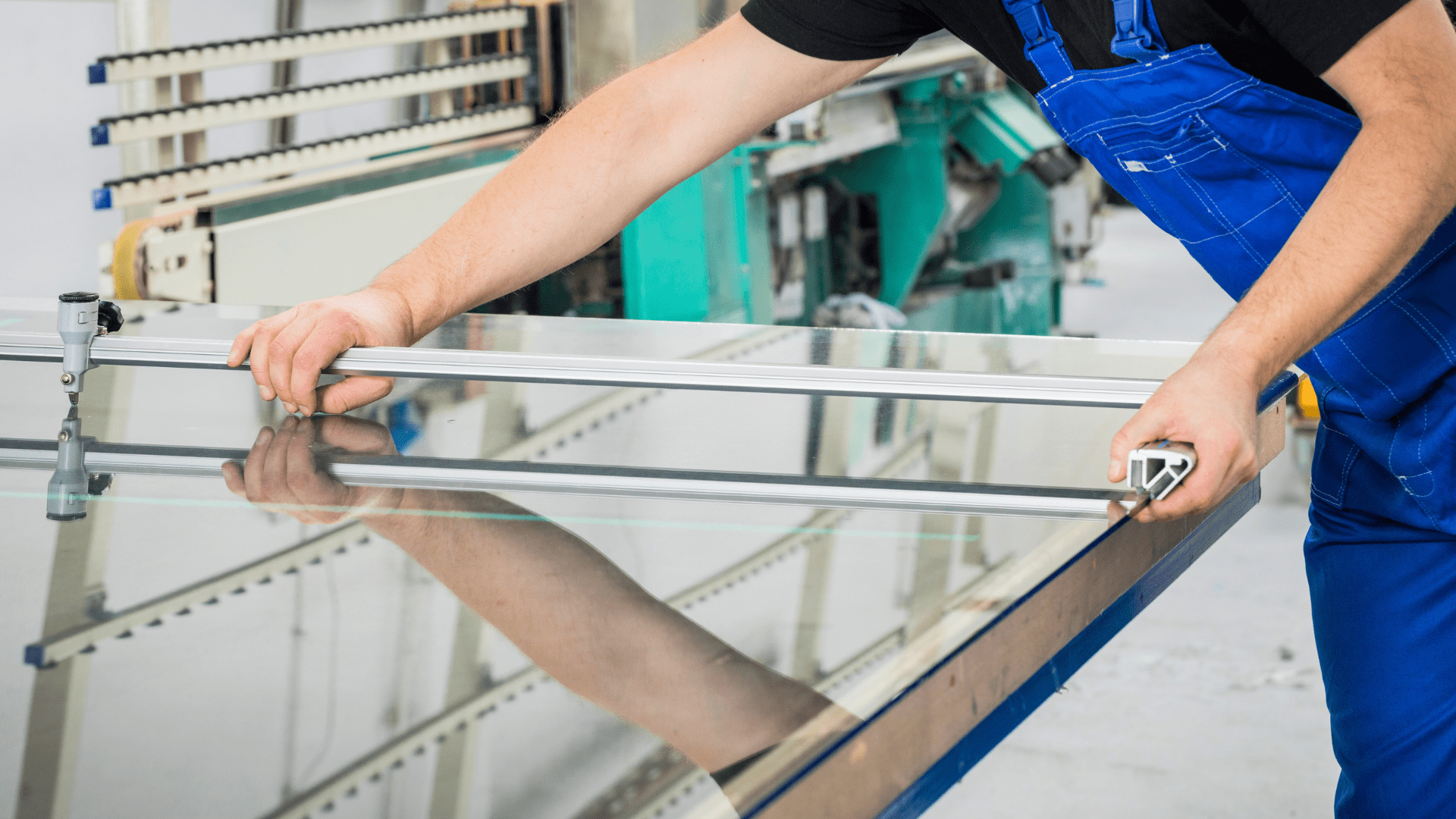
Glass cutting is one of the most fundamental processing steps across nearly every industry that uses the material. In architectural and automotive manufacturing, CNC cutting tables score large sheets of float glass using diamond or tungsten carbide wheels. Automated systems handle everything from straight cuts to complex shapes, guided by CAD files and optimized to minimize waste. These machines process glass ranging from a few millimeters thick for display panels up to heavy plate glass used in structural facades.
In precision optics and photonics, cutting takes a different form. Diamond wire saws and laser-based systems separate delicate glass substrates, crystal blanks, and optical preforms with minimal mechanical stress. The goal here is not volume but accuracy, producing blanks with clean edges and no subsurface damage that could compromise later processing steps.
Grinding and Polishing Machines
After cutting, most glass components require further shaping. Edging and grinding machines remove material to bring a workpiece closer to its final dimensions. In the architectural sector, glass edgers and bevelers smooth and shape the edges of panels for safety and aesthetics. Double-edger lines process two edges simultaneously at high throughput for window and facade production.
Optical grinding and polishing operate on an entirely different scale. Precision lenses require surface deviations no larger than a fraction of a wavelength of light, with high-end applications demanding tolerances of one-tenth of a wavelength or better. Computer-controlled polishing systems, magnetorheological finishing (MRF) machines, and single-point diamond turning lathes meet these standards by carefully removing material and giving real-time feedback on the surface measurement.
Tempering and Heat Treatment Furnaces
Tempered glass is significantly stronger than standard annealed glass and breaks into small, relatively harmless fragments rather than large shards. Tempering furnaces heat glass panels to around 620°C and then rapidly cool them using high-pressure air jets. This process creates compressive stress on the surface and tensile stress in the interior, giving the glass its enhanced strength.
Advertisement
These furnaces are workhorses in architectural, automotive, and appliance manufacturing. Convection tempering furnaces handle everything from shower doors and glass railings to vehicle side windows. Variations include flat tempering lines for standard panels and bending furnaces that shape the glass into curves during the heating cycle, a feature critical for automotive windshields and wraparound building facades.
Precision Molding Systems
For optical and photonic components, precision glass molding (PGM) offers a way to produce complex shapes without traditional grinding and polishing. It is a replicative process that enables high-volume production of complex optical glass components using molds manufactured through ultraprecision grinding. The glass is heated above its transition temperature, pressed into the mold cavity, and cooled under tightly controlled conditions.
PGM is widely used for aspheric lenses in smartphone cameras, automotive LIDAR systems, and medical endoscopes. The molds themselves must withstand extreme thermal and mechanical loads, requiring chemically inert coatings and regular inspection. The equipment must maintain temperature stability within a few degrees and apply uniform pressure across the mold surface to ensure consistent refractive index and geometry in every part.
Fusion and Specialty Thermal Systems
Fusion splicers permanently bond optical fibers by melting their ends together with a controlled electric arc. Glassworking lathes use flame or resistive heating to shape, taper, and seal glass tubes and rods for laboratory instruments, medical devices, and photonic assemblies.
Fiber optic manufacturing, laser component assembly, hermetic packaging, and scientific glassblowing all use these specialty thermal systems. The common requirement is the precise application of heat, often localized to a very small area, without disturbing the surrounding material. Programmable heating profiles, real-time imaging, and motorized alignment stages give operators the control needed for repeatable results on delicate or non-standard glass types.
Matching Equipment to Application
The range of glass processing equipment reflects the extraordinary versatility of glass itself. Architectural fabricators need high-throughput cutting, tempering, and laminating systems. Optical manufacturers require precision molding, polishing, and coating machines. Fiber optic and photonic companies depend on specialty fusion and thermal processing tools. Choosing equipment that matches the specific demands of the application, whether measured in square meters or microns, is the starting point for reliable, cost-effective production.
This is featured by 3SAE Technologies. All reviews and opinions expressed in this post are not based on the views and opinions of Tomorrow’s World Today.
 Read Exclusive Stories
 Bookmark & Save Articles For Later