We usually think of sewing as making clothes. Sailmaking is totally different. It is heavy construction. Back when wooden ships crossed oceans, sailmakers worked in giant open rooms. They dragged around huge panels of heavy canvas.

Shaping The Canvas
A sail is not just a flat piece of cloth. If you sew a flat sheet, it just flaps around. A sailmaker has to build a curved belly into the canvas. This curve catches the wind. They cut the edges of the heavy fabric at slight angles. When they sew those pieces together, the fabric bows out perfectly.
Pushing The Needle
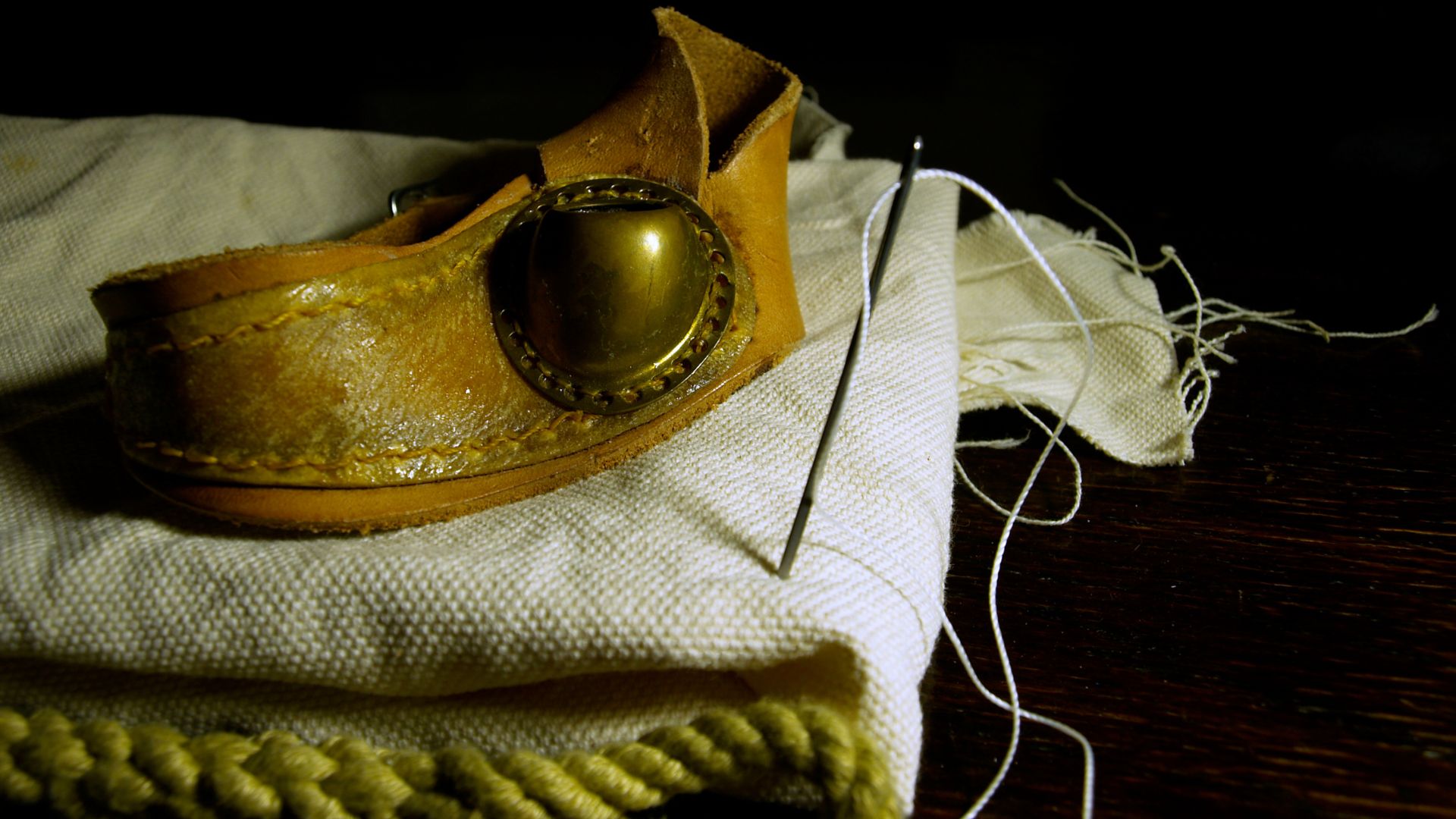
Sewing canvas by hand is hard work. You cannot just push a needle through it with your fingers. Makers use a heavy tool called a palm. It is a thick leather strap that wraps around the hand. It has a metal plate right over the base of the thumb. The maker uses that metal plate to force a thick needle through multiple layers of stiff canvas.
Advertisement
Locking The Seams
A ripped sail out on the ocean is a big problem. So makers used thick twine coated in beeswax to sew everything together. The wax stopped the thread from rotting in the salty air. They overlapped the canvas panels and used strong stitches that locked tightly. And that is why it matters how every seam goes together. A finished sail had to withstand massive storms without coming apart.
 Read Exclusive Stories
 Bookmark & Save Articles For Later