When you look at your car, you probably just see a simple, glass windshield. It keeps the wind out and the bugs away. But there is a lot more to it than just a piece of clear material.
Engineers spend years working on the glass in your vehicle. It is a critical part of how your car functions. When you need a replacement, choosing “Original Equipment Manufacturer” (OEM) glass matters. OEM glass is the glass specified by the automaker and originally installed on the vehicle, engineered to meet that vehicle’s exact requirements.
It’s almost like puzzle pieces. Your car’s frame and the glass were built to fit together perfectly. When you use parts from the original manufacturer, you ensure that the connection remains strong. This is about more than just keeping the rain out.
Why Your Windshield Is More Than Just Glass
Modern vehicles are filled with technology. Your windshield often houses cameras and sensors for your Advanced Driver Assistance Systems (ADAS). These systems help with lane keeping and emergency braking. If the glass thickness or shape is even slightly off, these sensors might not work right. OEM glass is designed specifically to keep those systems accurate and safe.
It also affects your comfort. The glass affects how well your climate control works. It helps manage the cabin temperature and keeps your HVAC system from working too hard, and keeps unwanted wind noise to a minimum
There is another reason to care about this. You want to protect yourself and your family. When you choose glass that is validated for your specific vehicle, you know it meets the exact standards the engineers set when they first designed the car. It is not just about looks. It is about how the car protects you in an accident.
When you speak with your insurance company about a replacement, make sure to ask specifically for original equipment manufacturer glass. Do not be fooled by terms like “it is the same as” or “it is equivalent.” You will know the OEM part as it will have the automaker’s brand or logo on the windshield, for example, FORD. At times, there may be a premium for choosing OEM glass, depending on your vehicle’s age; that added cost can be more than worth it to help preserve the vehicle’s safety, performance, and value.
Precision Manufacturing and Proper Training
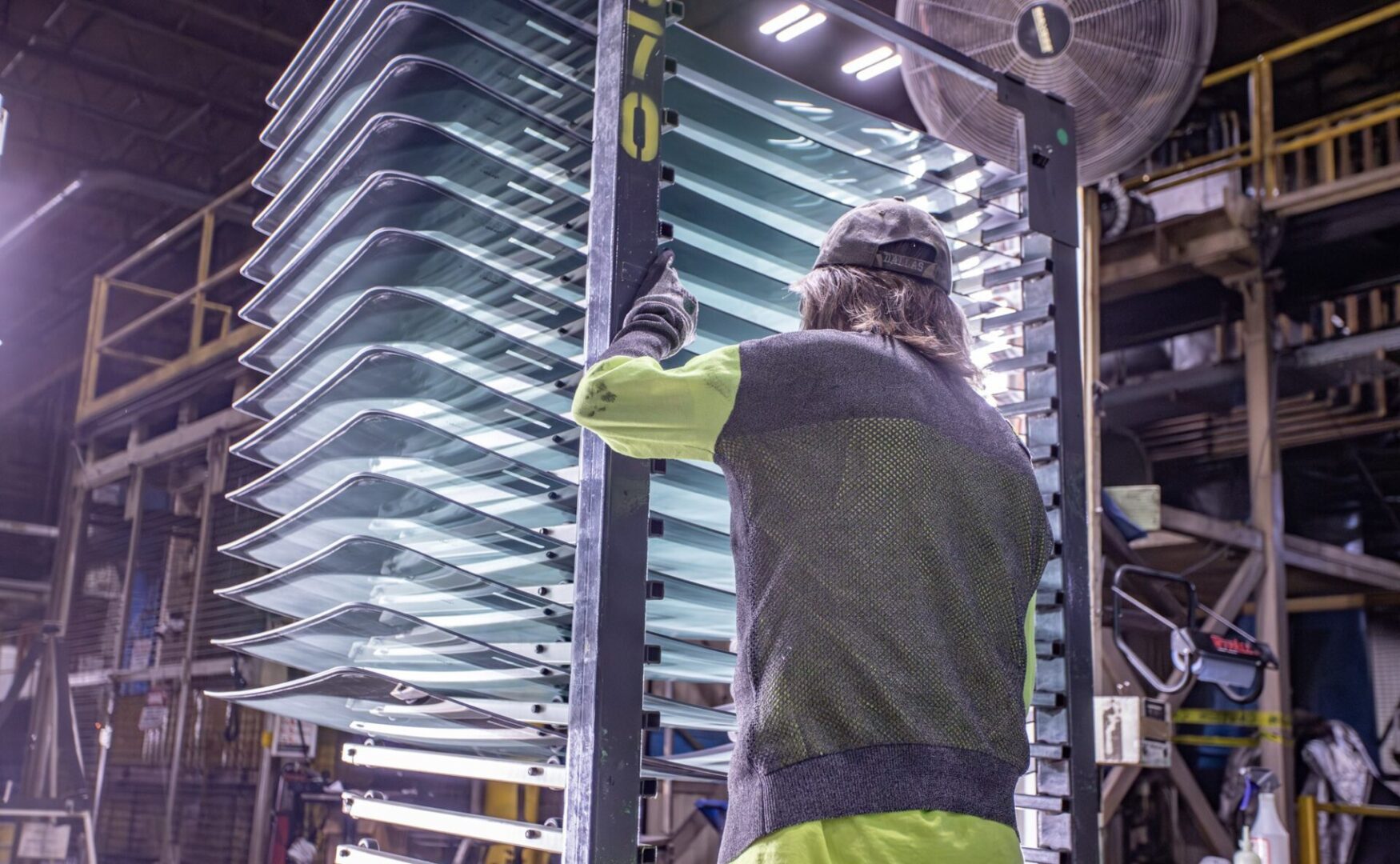
Carlex, a leader in this field, understands this better than most. They work directly with vehicle makers from the very first design concepts. Through Automotive Glass Solutions, a Carlex company, OEM expertise also extends into the replacement glass market. They also know that even the best glass needs to be installed properly.
That is why they are setting up a partnership with Autoglass University. They are building a training center to help installers understand why original glass is so important. These installers learn how proper calibration depends on using the correct, original parts. They know that safety is the bottom line.
Structural Integrity
The process goes beyond the shop, though. Carlex uses data-driven systems to control every step of production. They make sure the raw materials are the best available. This keeps quality high for every single piece of glass that leaves the plant.
When you get a car from the factory, the glass is part of a complete system. A generic replacement may be made to fit the vehicle, but it is not necessarily the glass specified by the automaker or manufactured and validated to the same exact requirements as the original part. If a replacement is needed, be sure to require the OEM replacement over a generic aftermarket part. Why risk losing the safety and performance of those carefully engineered benefits?
The goal is to keep your vehicle acting like it did the day you drove it off the lot. If you ever find yourself needing a new windshield, ask specifically for OEM glass. It ensures your car stays the way it was built. You get the same clarity, safety features, and structural integrity as when the vehicle was brand new. It is a small choice that makes a big difference for your peace of mind on the road.
 Read Exclusive Stories
 Bookmark & Save Articles For Later