Sitting in a rocking chair feels relaxing. Building one is a different story. You might think it just takes some wood and glue. However, it actually requires a lot of math.
Finding The Curve
The curved pieces on the bottom are called runners. Getting them right is the hardest part. You cannot just cut a random curve and hope it works. If the curve is too flat, the chair barely moves. If it is too round, you feel like you are falling backward.
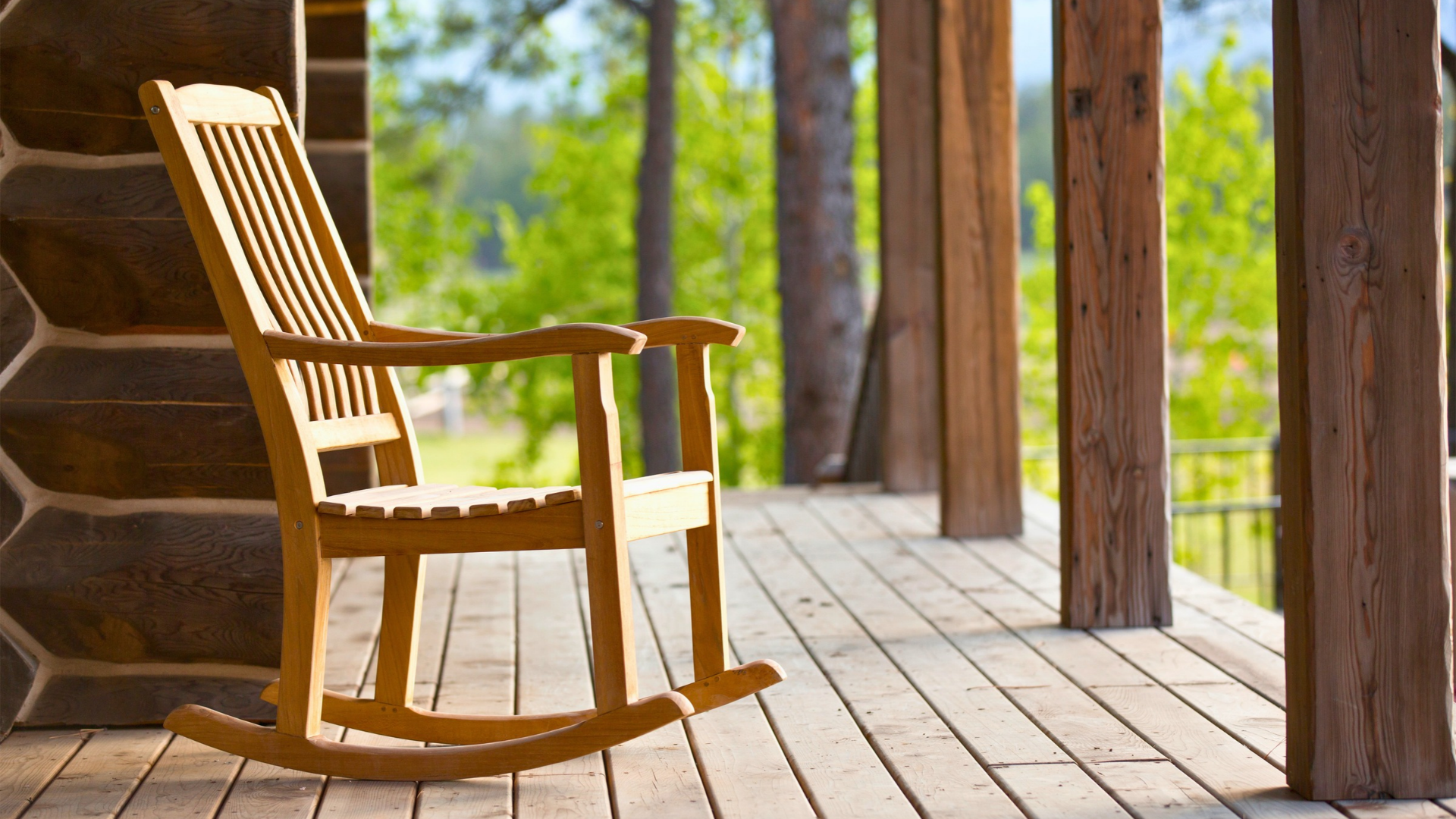
A maker has to cut the wood to match a perfect circle. A common arc radius for a smooth motion is between 36 and 42 inches. A longer runner needs a wider circle. A shorter runner needs a tighter curve. If the two runners do not match exactly, the chair will wobble.
Balancing The Weight
A chair might rock perfectly when it is empty, but when someone sits in it the whole balance changes.
Advertisement
A maker has to find the exact center of gravity. They have to plan for a person’s weight before they even cut the wood. The heavy parts of the chair need to sit low. The lighter parts go up top. This keeps the chair from tipping over when you lean back.

Stopping The Wander
This means every piece has to connect at a precise angle. The back legs meet the runners at a specific spot. The seat leans back just enough to keep you secure.
If any of these angles are off, the chair will wander. You might start facing the TV and end up facing the window after ten minutes of rocking. Making a normal chair is just about holding someone off the floor. A rocking chair is about controlling movement. And that is why it matters how every single joint lines up. It is basically a physics puzzle made out of wood.
 Read Exclusive Stories
 Bookmark & Save Articles For Later