Energy Exploration Technologies, Inc. (“EnergyX”) has entered into a 10-year binding agreement with global trading house Trafigura to supply 100,000 metric tons of battery-grade lithium products.
The deal covers production across North and South America. Trafigura will buy lithium carbonate from EnergyX’s Project Black Giant in Antofagasta, Chile, and lithium hydroxide from Project Lonestar in Texas, U.S. Specifically, Trafigura is committing to buy 66% of Phase 1 output from Black Giant and 30% from Lonestar. A large portion of these materials will directly feed the U.S. battery supply chain.
“We are pleased to support EnergyX as it develops its lithium projects in Chile and the US. Long-term offtake is an important step in moving projects into production, and this agreement reflects our ability to help bring strategic critical minerals projects online and build secure, diversified supply chains,” Daniel von Arx, Head of Battery Metals at Trafigura, said. “Drawing on our logistics network and market expertise, we look forward to supplying these battery-grade lithium products to customers, supporting supply chains for the US automotive and energy storage industries.”
Scaling Lithium Extraction
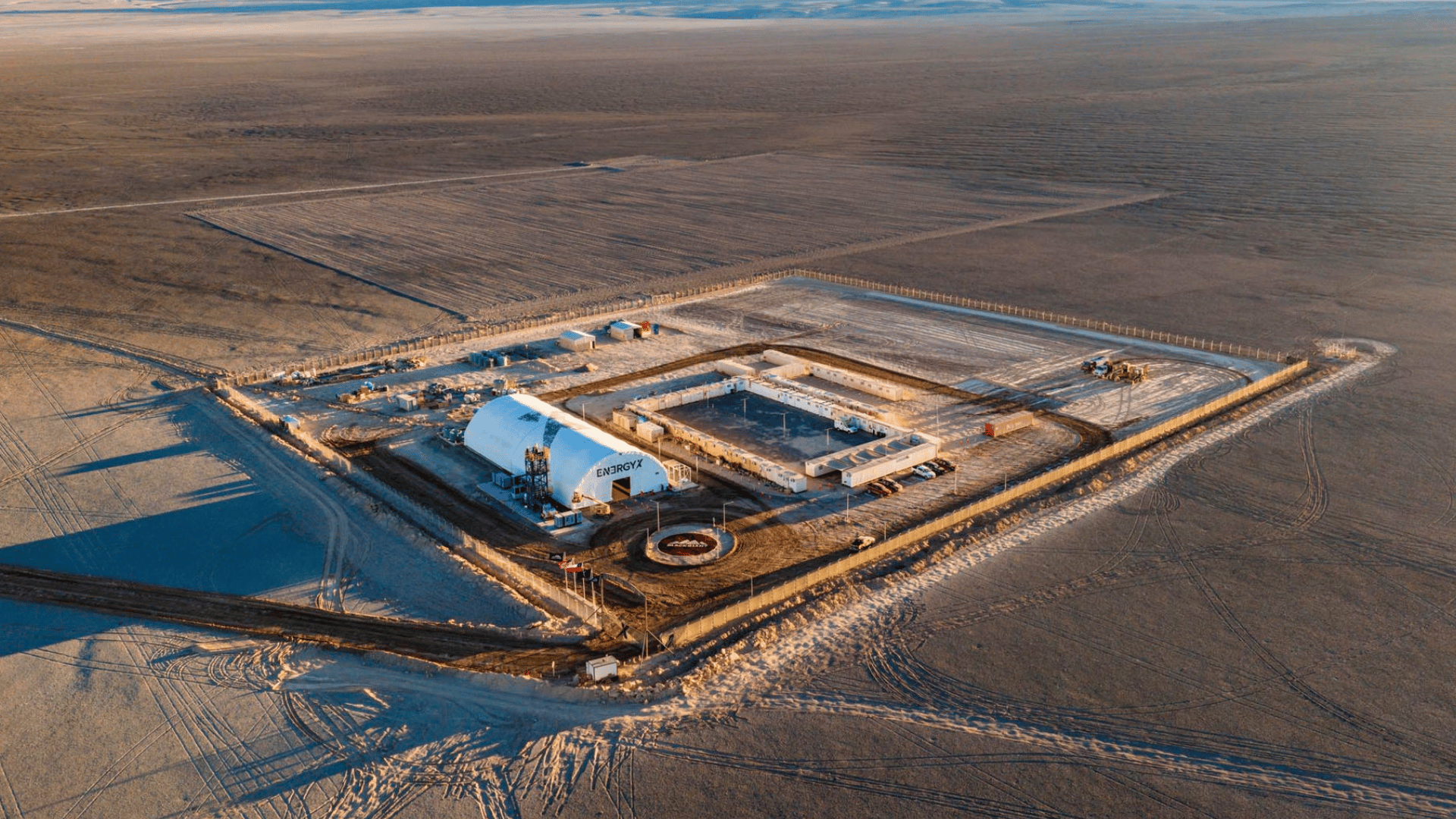
EnergyX sources its materials using proprietary direct lithium extraction (DLE) technology. According to the company, it plans to reach commercial-scale production at Black Giant in 2028, followed by Lonestar in 2029.
Having a firm buyer lined up makes a huge difference when securing funding to build out these facilities. The agreement boosts the bankability of both sites, serving as a core requirement for EnergyX to get financing from the U.S. EXIM Bank alongside other project finance lenders.
“Offtake agreements are among the most important steps in taking a lithium project from development to production,” Teague Egan, Founder and CEO of EnergyX, said. “A long-term purchase commitment from a counterparty of Trafigura’s scale and credit quality shows that the market wants EnergyX’s product. It also gives lenders and investors the revenue visibility they need before committing capital to commercial construction.”
 Read Exclusive Stories
 Bookmark & Save Articles For Later