In January 1922, 14-year-old Leonard Thompson became the first person successfully treated with insulin. The treatment grew out of work by Frederick Banting, Charles Best, J.J.R. Macleod, and James Collip at the University of Toronto.
World Diabetes Day falls on Banting’s birthday, November 14. More than a century after Thompson’s treatment, the World Health Organization says more than 40% of people living with diabetes worldwide are undiagnosed. Earlier diagnosis and better access to care are at the center of its 2026 campaign, “Early action on diabetes”.
Why Type 2 Diabetes Can Go Unnoticed
Type 2 diabetes can go unnoticed for years when symptoms are mild or absent. In a survey released November 10 by the International Diabetes Federation, 43% of adults at increased risk across six countries said they lacked confidence in arranging a diabetes risk check.
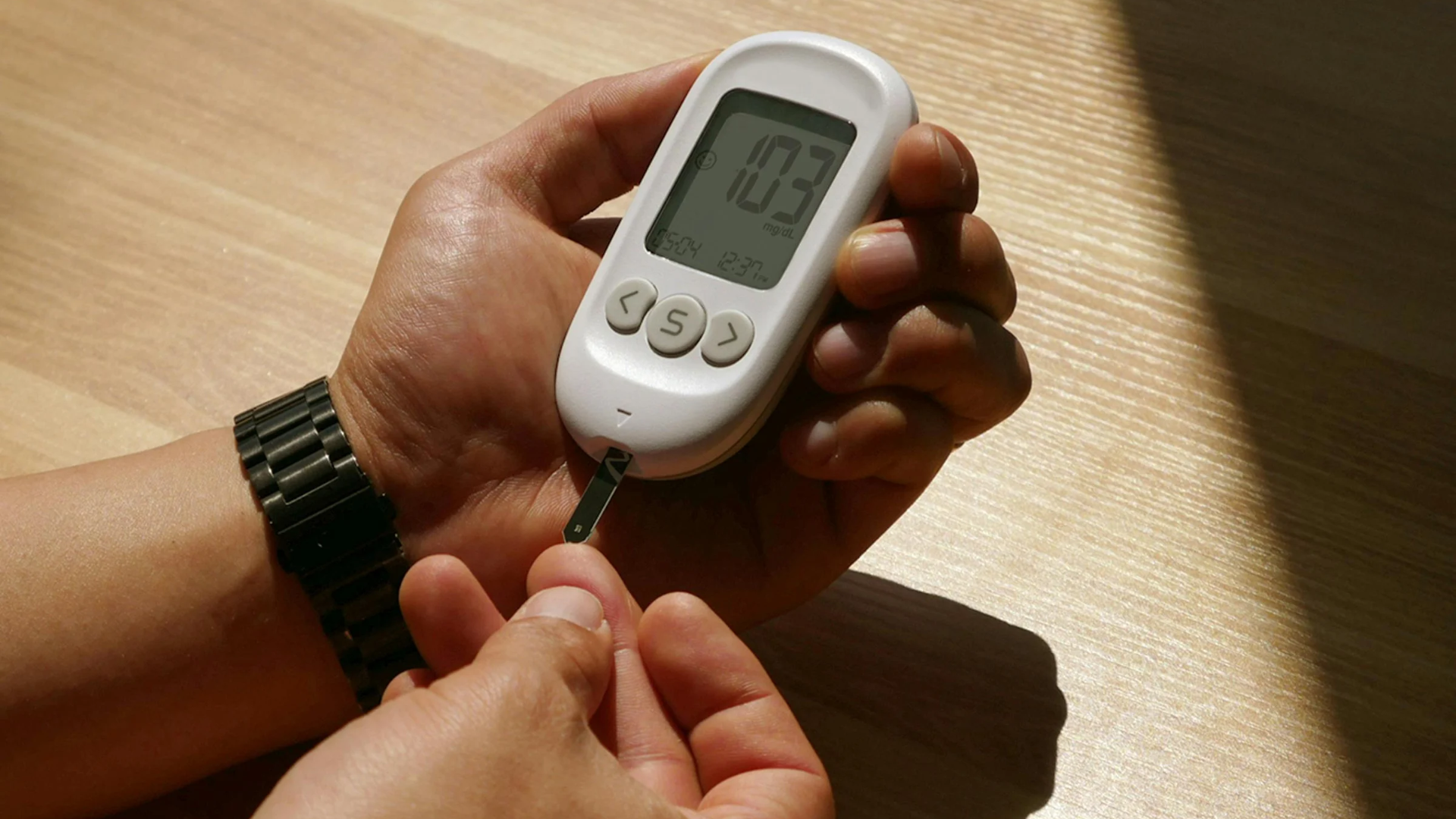
People with diabetes can use a continuous glucose monitor to observe how their blood sugar levels fluctuate throughout the day. This monitor involves inserting a small sensor under the skin to measure glucose in the fluid around cells. According to the American Diabetes Association’s 2026 standards, blood testing is required to diagnose diabetes.
Listening for Signs of Type 2 Diabetes
Advertisement
Participants read aloud from Aesop’s fable “The North Wind and the Sun” in a 2026 study. Researchers at Thymia and RMIT University trained an AI model to look for speech patterns associated with type 2 diabetes in recordings lasting about 20 seconds.
In a subgroup of 801 people who had an A1C test, the model flagged 82% of those with results in the diabetes range. It also flagged 47% of people whose results fell below that range, according to preliminary findings presented at the European Association for the Study of Diabetes annual meeting. The team plans to test the tool in clinical settings to see whether a recording could help identify who should be offered a blood test.
Measuring Glucose With Light
For individuals with diabetes, continuous glucose monitors can help to illustrate how their glucose levels fluctuate daily. These small sensors are inserted beneath the skin to measure glucose levels in the liquid between cells. According to the American Diabetes Association in their 2026 guidelines, individuals are typically diagnosed with diabetes through a blood test.
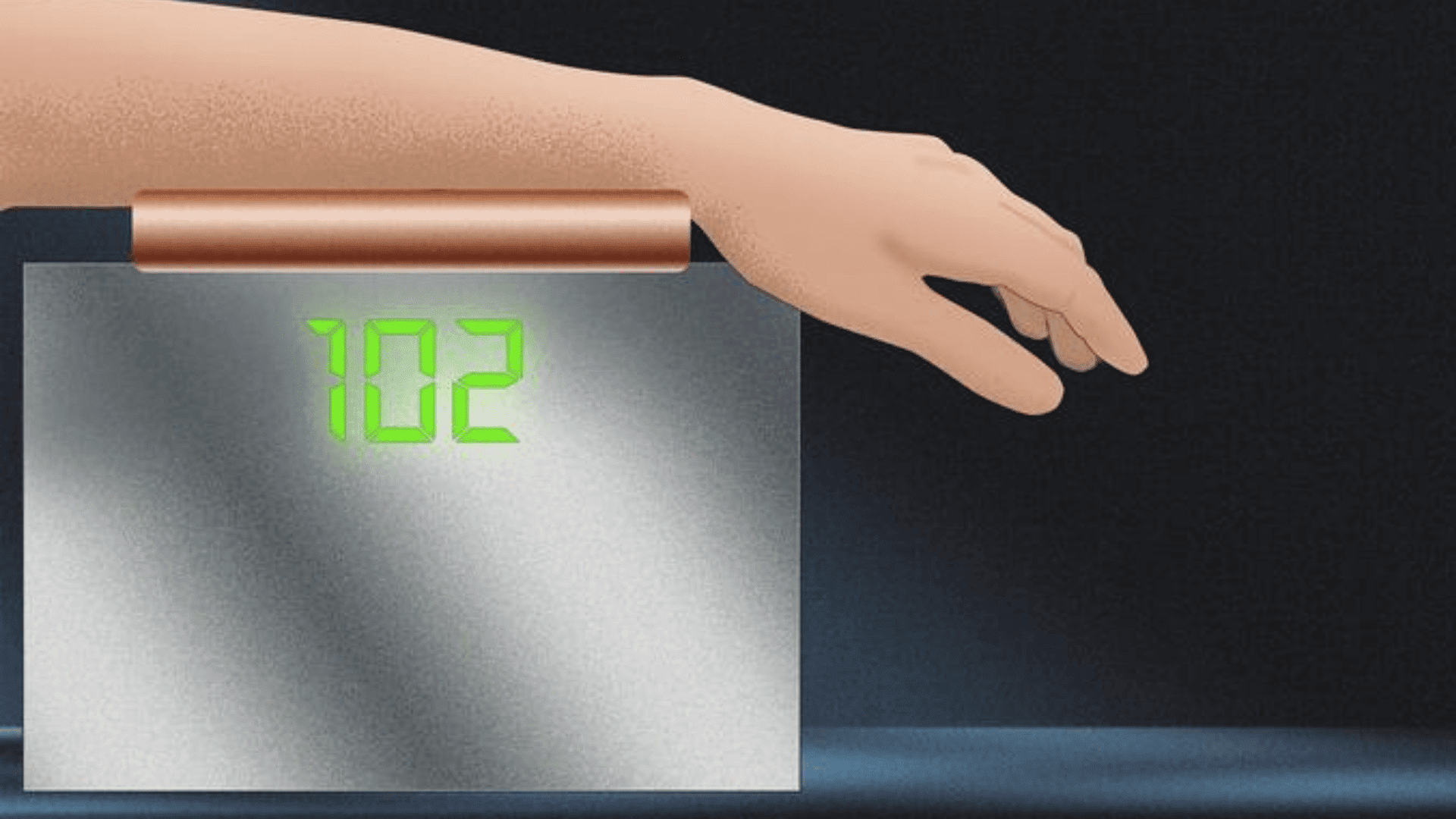
In December 2025, an MIT prototype was developed that measures glucose through the skin with near-infrared light. The technique, called Raman spectroscopy, reads the faint pattern of light scattered by glucose molecules. In a 2026 follow-up, a tabletop version closely tracked changes measured by finger-prick readings during a glucose tolerance test in six healthy volunteers. Testing with people living with diabetes would help show how the device performs in everyday use.
WHO’s World Diabetes Day campaign calls for the integration of early detection into routine primary care so more people can get tested and connected to treatment sooner.
 Read Exclusive Stories
 Bookmark & Save Articles For Later