The Electrical Language of the Heart
The reason our hearts beat is due to the electrophysiological processes that occur within the heart. If something goes wrong with the electrical signals that control the heart, individuals can develop conditions such as arrhythmias, strokes, or even sudden cardiac death. Our guest, Roderick Tung, MD, the chief of the division of cardiology and the director of cardiovascular clinical research at the University of Arizona in Phoenix, shares with us what he calls his “27th grade” of medicine. He also reflects on the Latin root of the word doctor and its meaning of “to teach.”
For many people, the Swan-Ganz catheters used in the schools may be remembered. These allowed physicians to measure the pressure within the heart and lungs. Over time, medical technology has advanced. For example, procedures known as atrial fibrillation ablations use pulsed-field ablation. This uses high-voltage electrical pulses to disrupt the heart cells. Additionally, pacemakers have gone from battery-powered devices connected by wires to leadless pacemakers about the size of a vitamin capsule. Defibrillators are used to restore patients’ hearts to normal rhythms, and the cardiac catheterization laboratory has become more like a cockpit.
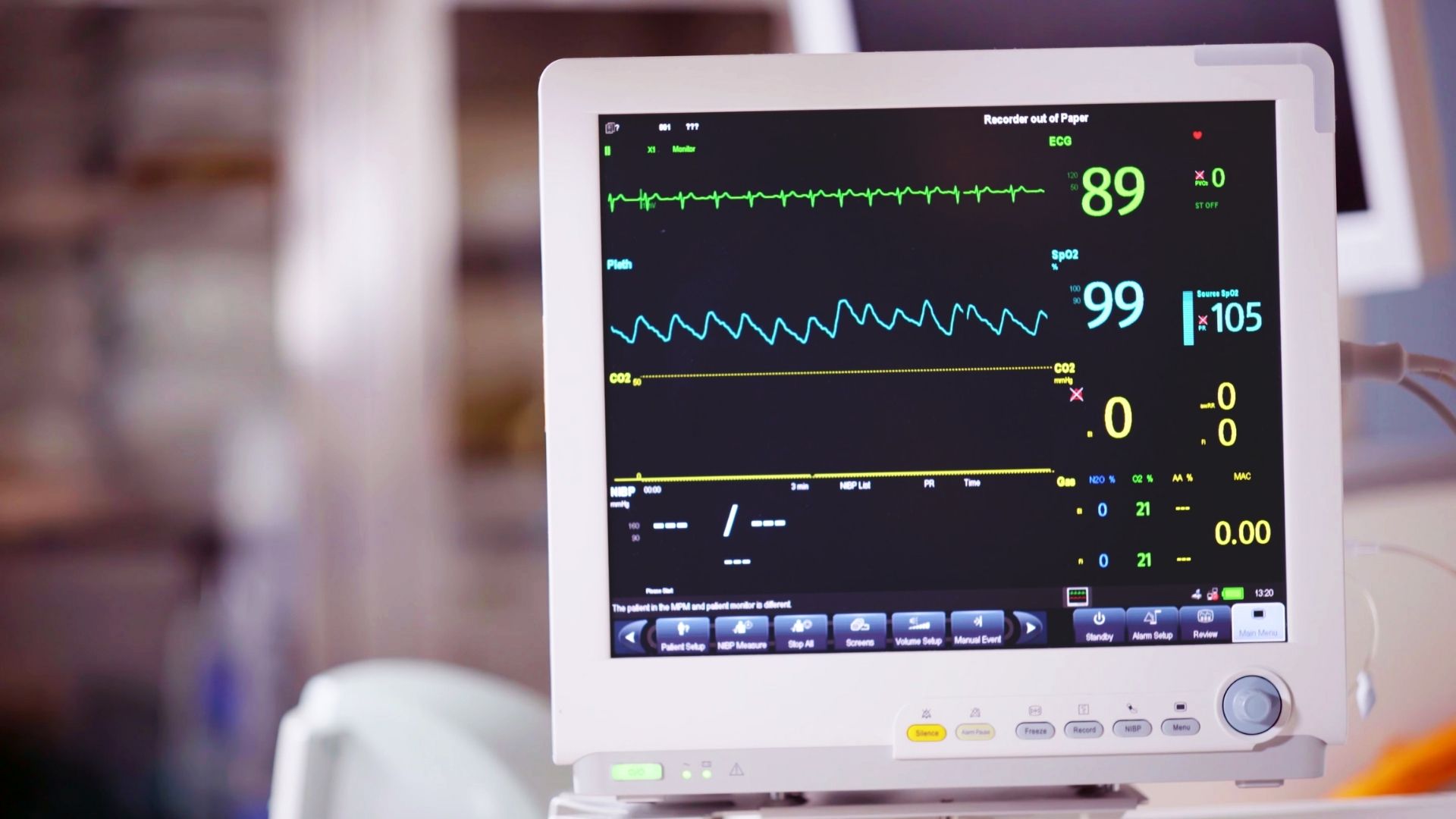
Within that technology lies an art form. Physicians must learn to interpret the lines and signals on the monitors. This takes many years of training to fully understand what those signals mean.
Prediction, Prevention, and the Future of Heart Health
Advertisement
One of the frontiers cardiologists would like to enter is artificial intelligence and machine learning, where the ability to make predictions from massive amounts of data will become critical. However, the best approach may be prevention. The ability to prevent cardiovascular disease is a more achievable goal than the perfect prediction of the events that could occur.
In addition to lifestyle changes such as avoiding toxins like tobacco, choosing foods that spoil rather than processed foods, adopting a Mediterranean diet, and walking more, there are new classes of medications, such as GLP-1 drugs, that can assist patients with weight loss. Yet, a significant lifestyle change is required to realize the benefits of these new drugs.
Other elements of health include getting joy in one’s life, feeling connected to others, getting enough sleep, spending time outdoors, exercising creatively, and reducing stress.
Equity in health care and health outcomes is another essential component. While the medical advances are remarkable, not everyone benefits equally. The cost of many treatments prevents some people from receiving the care they need. Many people also live in areas without access to healthy food. The environment has a far greater impact on an individual’s health than their family genetics. By providing better mentorship and education, health care systems can help people create healthier lives for themselves and their families.
The future of heart health will be written in the code and in the compassion that shapes the healthcare system of the future. For individuals from all walks of life, the future will belong to those who master the technologies and implement change in the healthcare industry.