Look closely at a high-end copper pot in a professional kitchen. You will notice hundreds of small, dimpled indentations across its surface. Machine factory presses can easily stamp out metal cookware in seconds. Yet top chefs and artisans still prefer hand-formed copper cookware hammered with a heavy hammer.
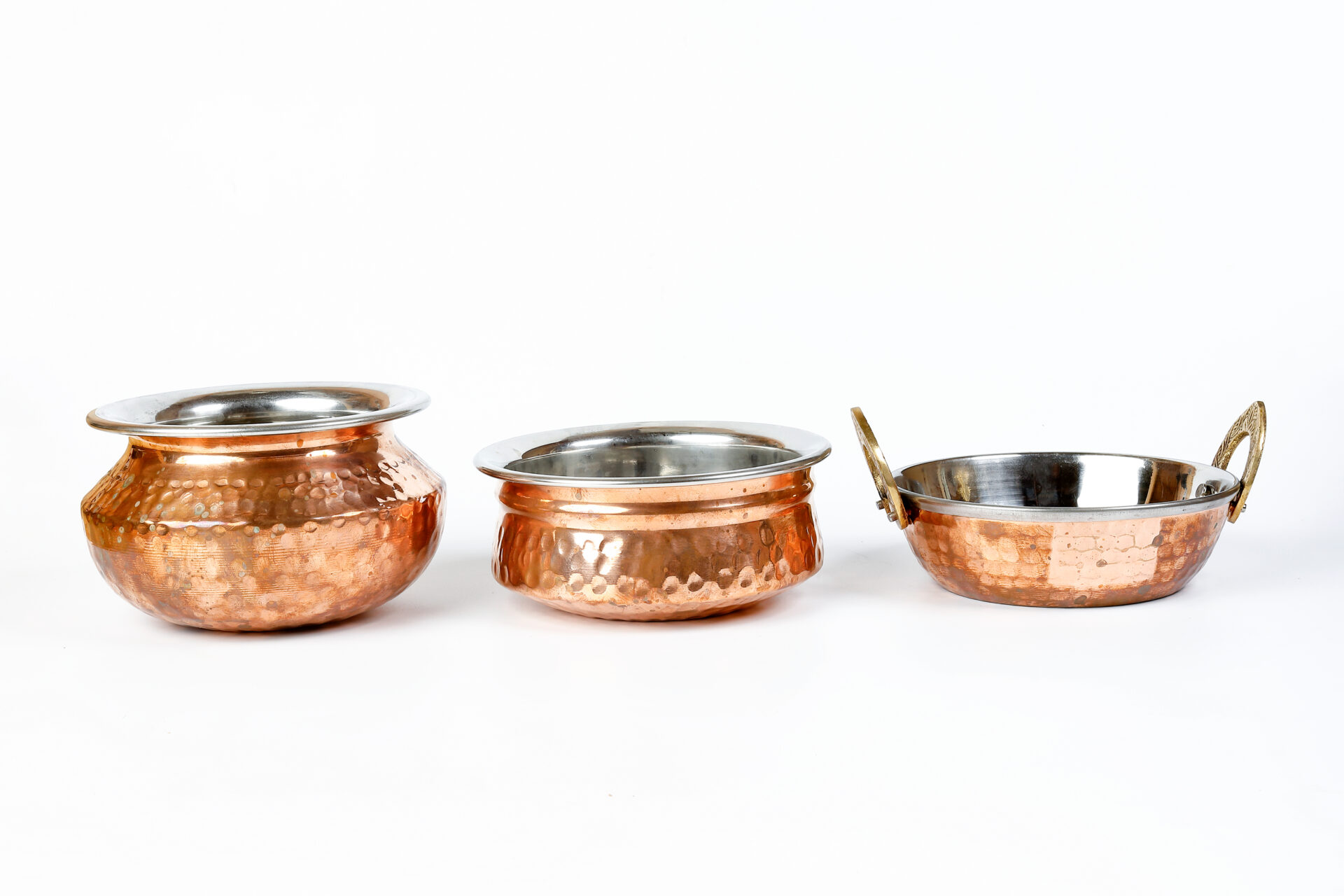
This preference is not just about classic style or old tradition. Hammering copper actually changes the metal’s physical structure, making it stronger and far better for cooking.
The Science of Work Hardening
Pure copper is naturally soft and flexible. You can easily bend a thin sheet of unworked copper with your bare hands. That soft texture makes raw copper useless for daily cookware.
When a coppersmith strikes the metal with a hammer, something remarkable happens at the atomic level. The impact forces the copper’s internal crystal structure to shift and pack more tightly. Metallurgists call this physical reaction work hardening or strain hardening.
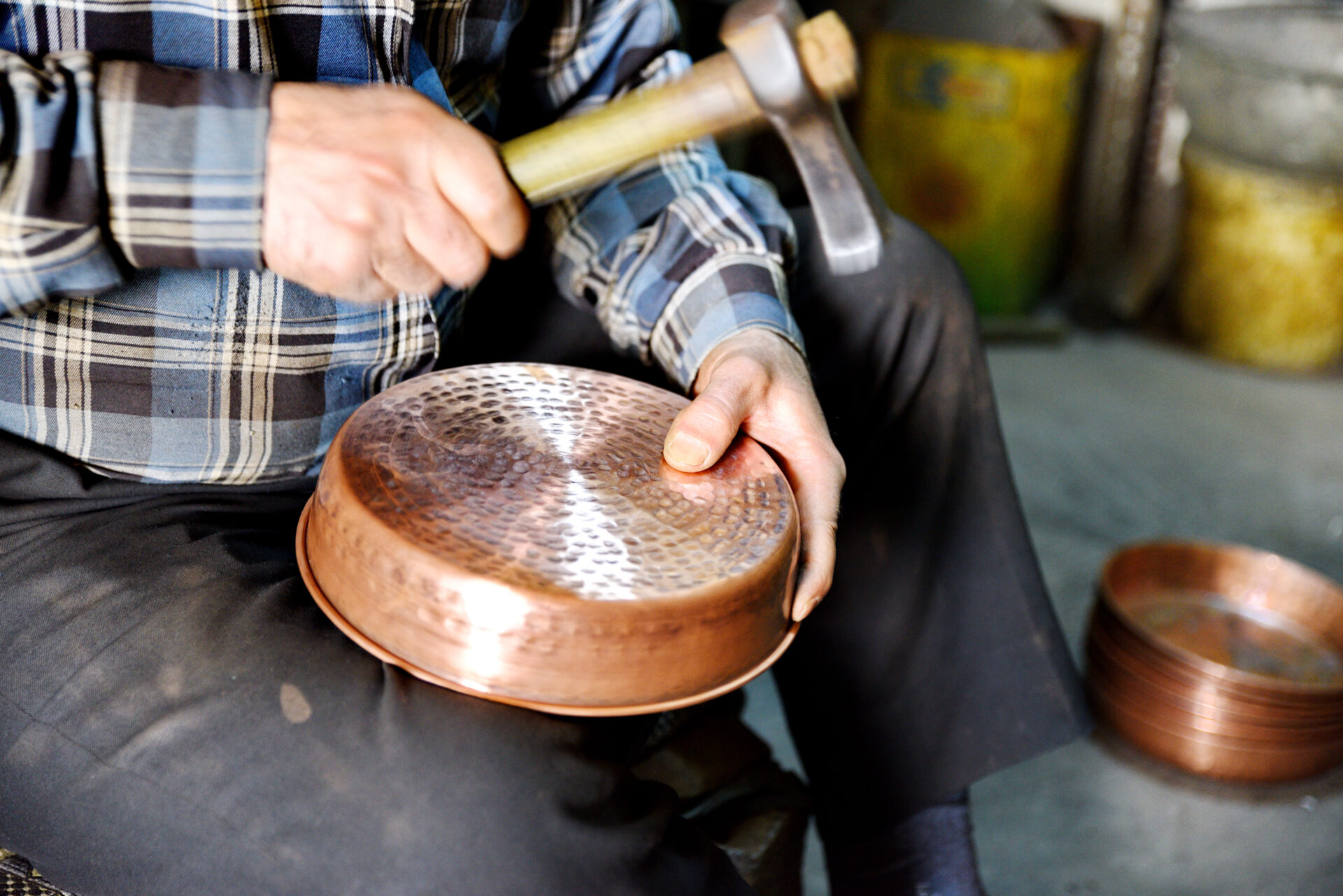
Each hammer blow compresses the metal grain, making the tcopper stiffer, denser, and far more durable. Repeated hand striking turns a soft copper sheet into a tough, dent-resistant pot that lasts for decades.
Better Heat Control for Cooking
Advertisement
The small dimples left behind by the hammer do more than strengthen the metal frame. They also improve how heat moves across the surface during cooking.
Smooth metal can sometimes develop hot spots directly over a stove burner flame. The tiny dimples from hand hammering increase the total surface area of the metal bottom. This extra area spreads thermal energy evenly across the pot.
Copper already conducts heat faster than stainless steel or cast iron. The hammered texture helps saucepans heat evenly without burning delicate ingredients like chocolate or butter.
Modern Tools Support Old Crafts
Coppersmiths today blend traditional hand techniques with modern workshop technology.
Craftspeople use digital lasers to measure the thickness of the copper before shaping the vessel. Precision induction heaters heat the copper to precise temperatures. Heating the metal, a process called annealing, softens stiff copper so the smith can continue shaping it without cracking the surface.
3D scanning tools also allow artisans to inspect finished pots for hidden internal cracks. These modern tests ensure every handmade vessel meets strict quality standards.
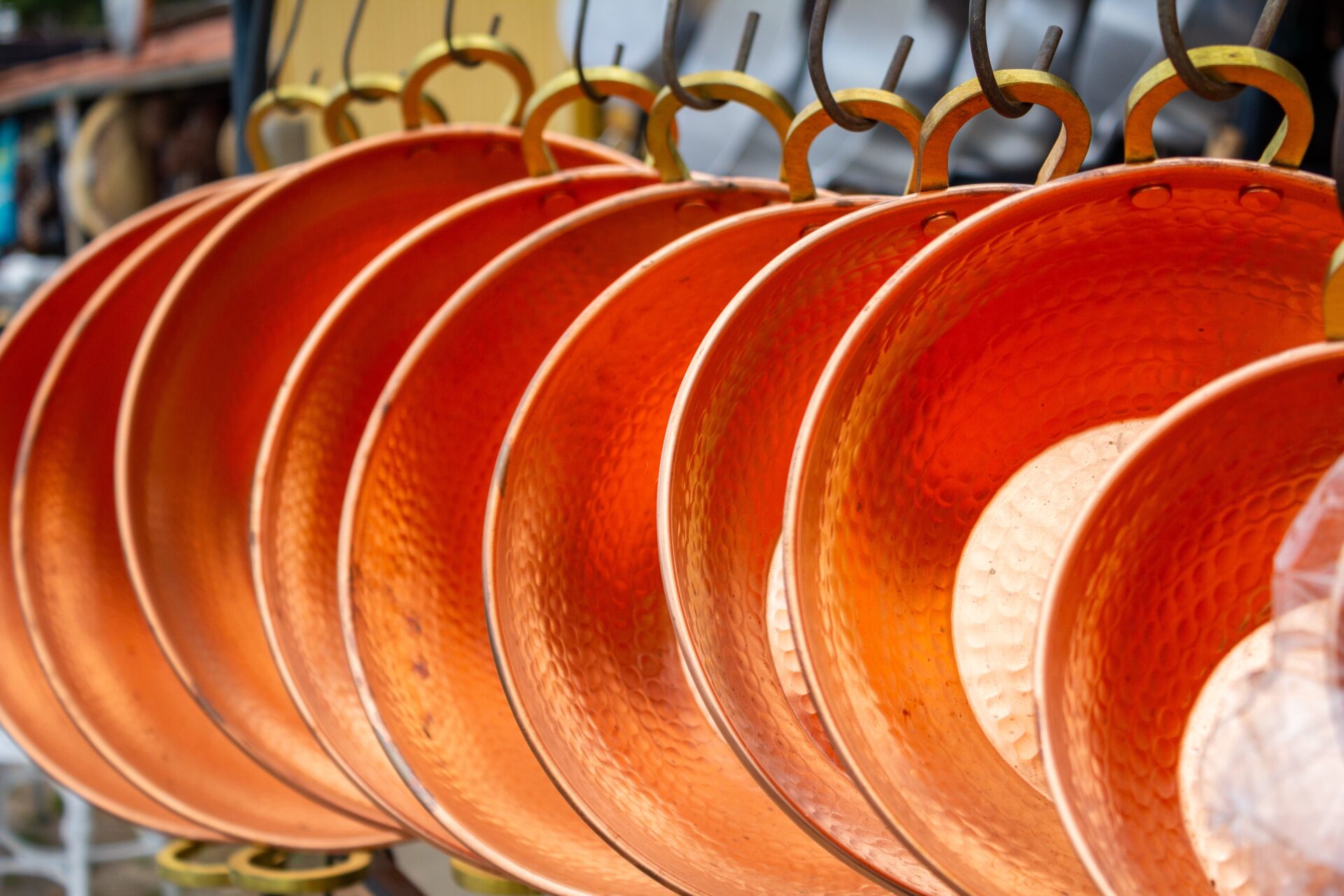
Machines build things fast, but human skill combined with smart technology creates products that stand the test of time. Old-school coppersmithing proves that some ancient methods still offer the best performance today.
 Read Exclusive Stories
 Bookmark & Save Articles For Later