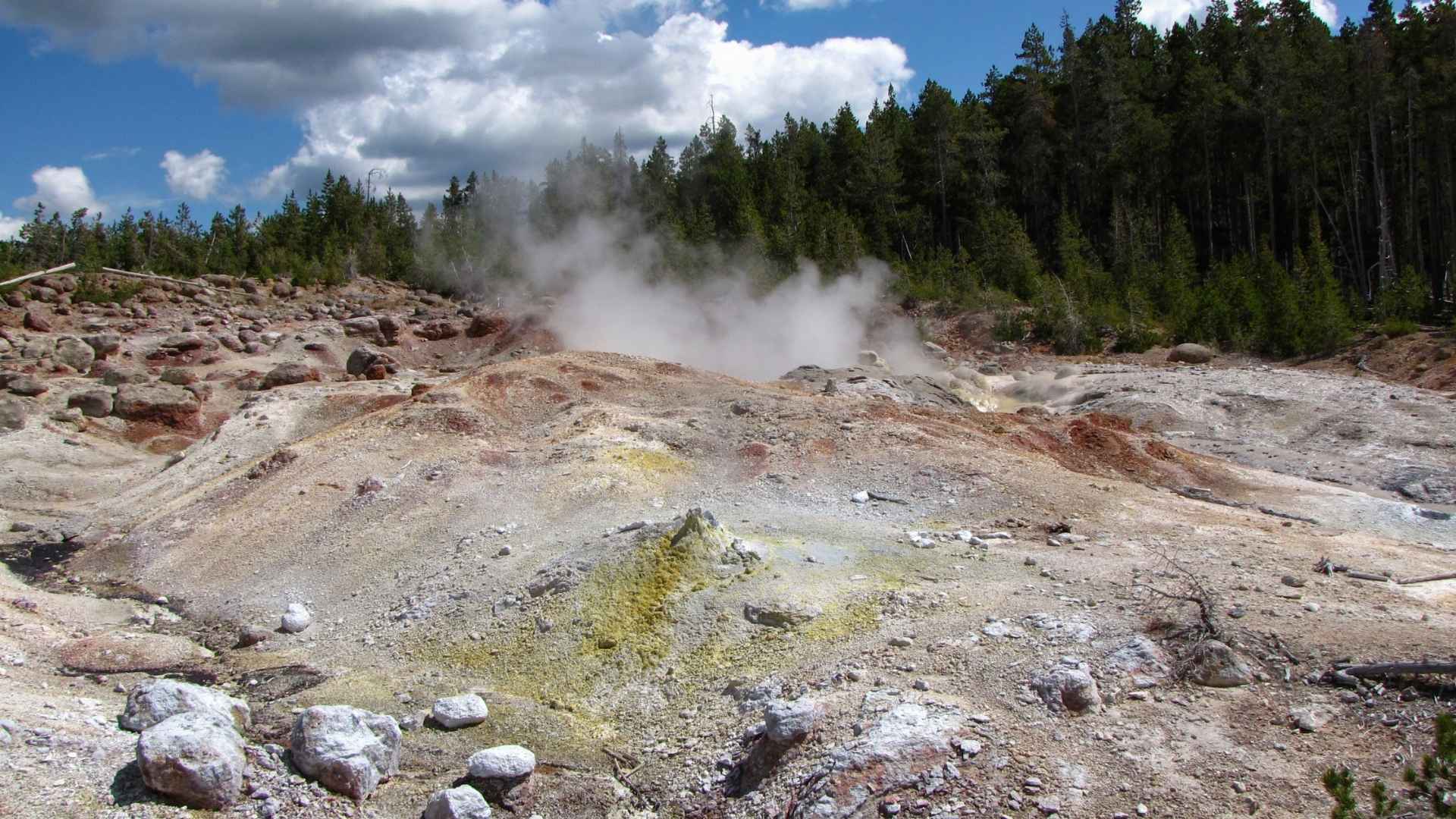
When you think of Yellowstone National Park, you probably picture bison, pine forests, and Old Faithful shooting water into the sky. But there is a massive super-volcano sitting directly under the park. This underground magma chamber heats up thousands of bubbling hot springs. The water in these pools is incredibly toxic, acidic, and hot enough to cause severe burns.
For a long time, people thought nothing could survive in them. But back in 1966, a biologist named Thomas Brock visited Mushroom Spring. He looked closely at the colorful mats growing in the boiling water and discovered a strange bacterium. He named it Thermus aquaticus.
The Ultimate Heat Shield
Here is the thing: most living cells fall apart when they get too hot. The proteins and enzymes inside them essentially melt, killing the organism. But Thermus aquaticus evolved to love the heat. It thrives in water that reaches 160 degrees Fahrenheit.
Brock isolated the organism and sent samples to a public repository. Decades later, in the 1980s, a scientist named Kary Mullis was trying to solve a major medical problem. He needed a way to copy small pieces of DNA so doctors could study them. To make copies, you have to repeatedly heat DNA up to separate its strands, then cool it down to duplicate them.
Normal biological enzymes destroyed themselves during the heating phase of the process. Mullis realized he needed an enzyme that could handle extreme heat without breaking down. He remembered Brock’s Yellowstone microbe.
From Hot Springs to Crime Labs
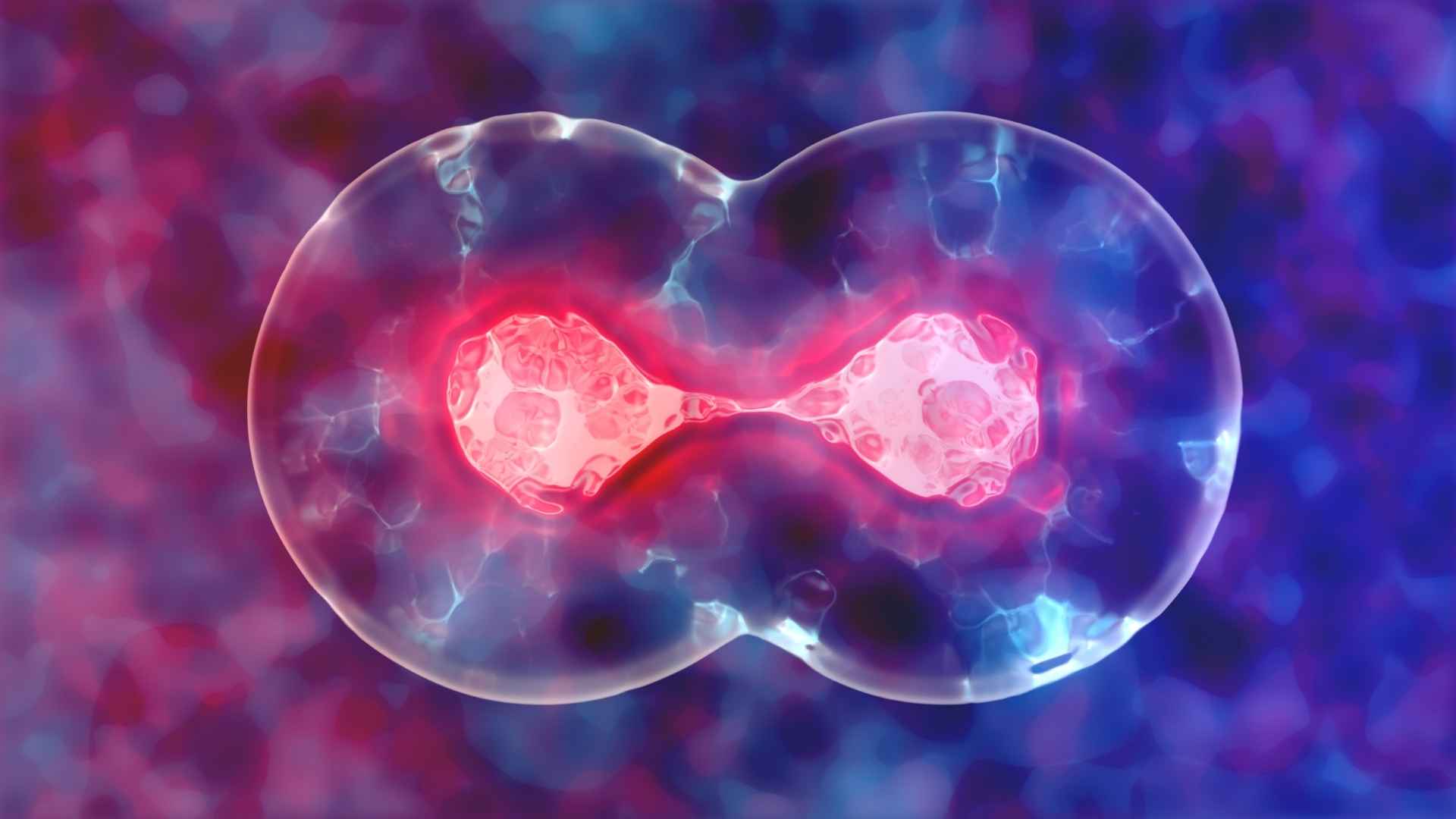
Mullis used the heat-resistant enzyme from Thermus aquaticus to create the Polymerase Chain Reaction, or PCR testing. This single discovery changed medicine and science forever. By using the volcano-loving enzyme, scientists could finally duplicate a tiny snippet of DNA millions of times in just a few hours.
Today, we use this exact tech for almost everything in genetic science. When police solve a crime using a tiny drop of blood from a crime scene, they use PCR. When doctors test for viral infections or screen for genetic diseases, they rely on that exact same Yellowstone enzyme. Mullis even won a Nobel Prize for the invention in 1993.
The Limits of Nature’s Tech
But copying nature has its challenges. While PCR is incredibly powerful, it is also highly sensitive. Because it copies everything it touches, a tiny speck of dust or a single stray skin cell can ruin an entire test. Labs must remain completely sterile to ensure accurate results.
Still, the story of PCR shows why we need to protect wild spaces like Yellowstone. If humans had never preserved those boiling, toxic pools, we might have never discovered the tiny organism that forms the backbone of modern diagnostics. It proves that the answers to our biggest medical questions are often waiting in the places we least expect.
 Read Exclusive Stories
 Bookmark & Save Articles For Later