Back in the 1970s, scientist Daniel Nathans picked up a pair of biological scissors and changed the future of medicine forever.
Nathans worked at Johns Hopkins University. He wanted to understand how viruses worked. He focused on a small monkey virus called SV40. At the time, scientists could see whole genomes under high-powered microscopes, but they could not read the individual pieces.
Then, researchers discovered restriction enzymes. These special proteins act like tiny molecular scissors. They cut DNA strands at exact spots.
Nathans realized he could use these enzymes to chop the SV40 virus genome into manageable fragments. He mapped out every single piece. “We used restriction enzymes to cleave the viral DNA into specific fragments,” Nathans explained in his Nobel lecture.
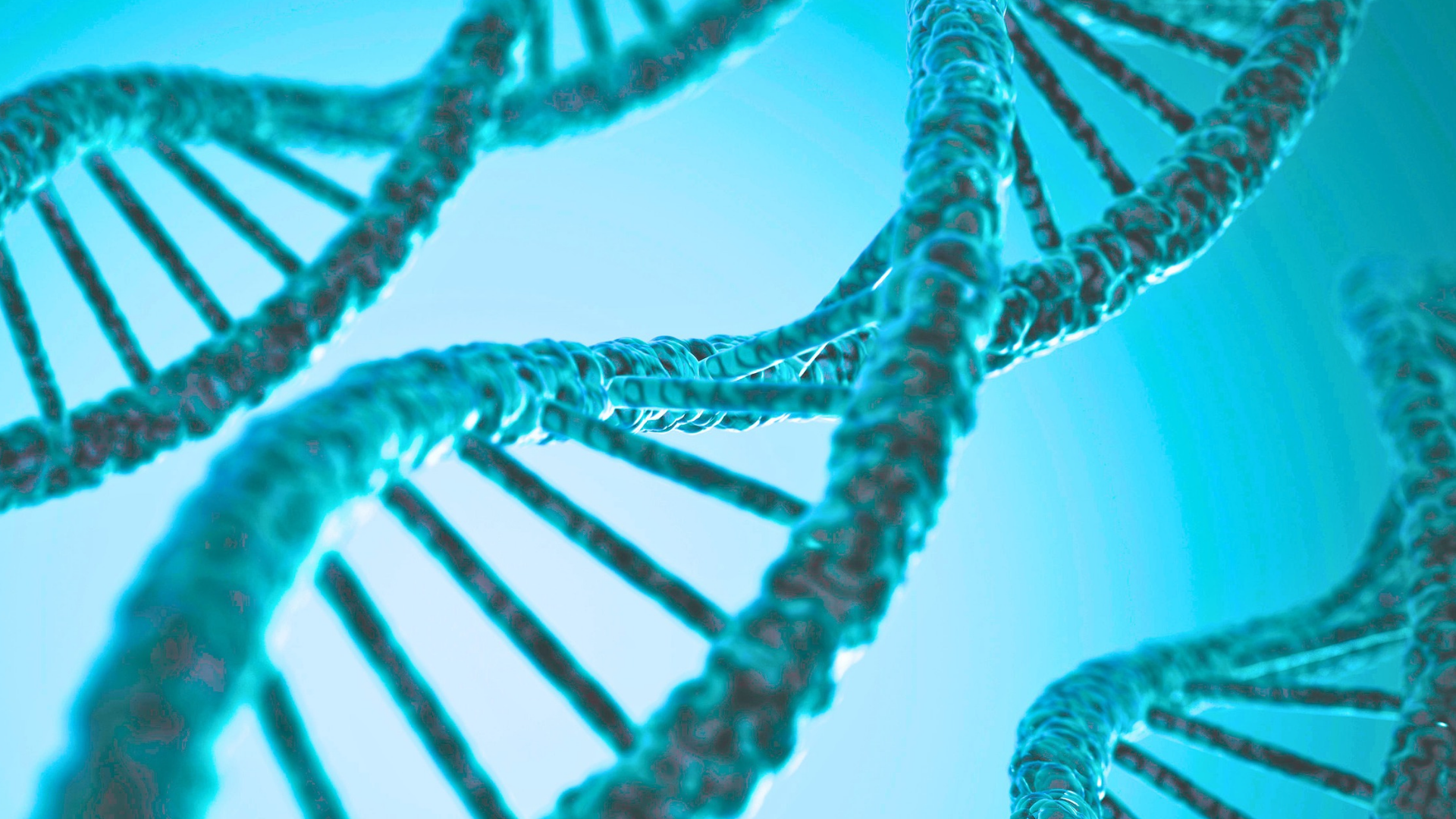
That simple mapping technique proved massive. Before Nathans, scientists could only look at DNA from afar. Now, they could physically cut and paste genetic material.
This breakthrough earned Nathans the 1978 Nobel Prize in Physiology or Medicine. He shared the honor with Werner Arber and Hamilton Smith. Their collective discoveries built the foundation of recombinant DNA technology, which is the direct ancestor of today’s advanced biotech and healthcare.
Groundwork for Modern Biotech
Think about how we tackle diseases today. Scientists use those same basic principles to build gene therapies, manufacture insulin, and engineer crops. Even modern gene-editing tools like CRISPR trace their roots right back to those early experiments with restriction enzymes.
“Restriction enzymes opened the door to recombinant DNA research,” researchers noted about the era.
Today, biotech companies use genetic editing to solve huge global problems. They design vaccines in record time, engineer drought-resistant crops, and build sustainable enzymes to break down plastic waste.
None of that would have happened without Daniel Nathans cutting up a virus in a lab over fifty years ago. He turned abstract genetics into a practical toolkit.
So the next time you hear about gene editing or modern medicine, remember the molecular scissors. Daniel Nathans proved that sometimes, the best way to understand life is to take it apart piece by piece.
Advertisement
 Read Exclusive Stories
 Bookmark & Save Articles For Later