Butter is usually just a yellow block in the fridge. But hundreds of years ago, people turned it into a centerpiece. They used hand-carved wooden molds to stamp pictures right into the fat.
Carving The Wood
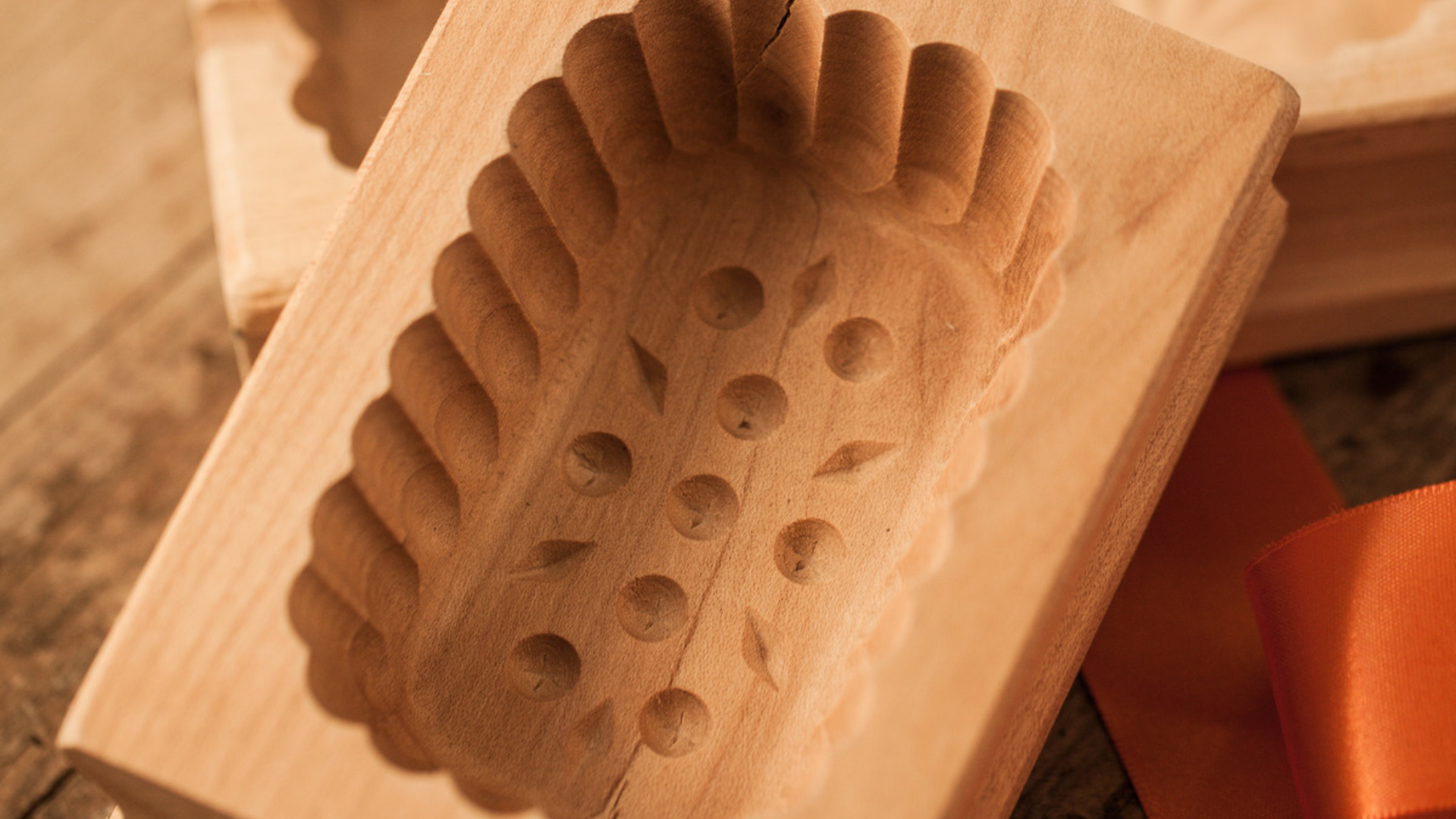
A butter mold starts as a solid block of hardwood. Makers usually pick sycamore or beech. These woods do not have a strong smell that would ruin the food’s taste.
A carver uses small metal gouges to cut a design into the wood in reverse. They carve things like flowers, farm animals, or geometric shapes. The cuts have to be deep and smooth. But here is the problem. If the carved edges are too rough, the butter gets stuck inside and ruins the picture.
Prepping The Mold
You cannot just shove soft butter into a dry piece of wood. It will stick like glue.
Advertisement
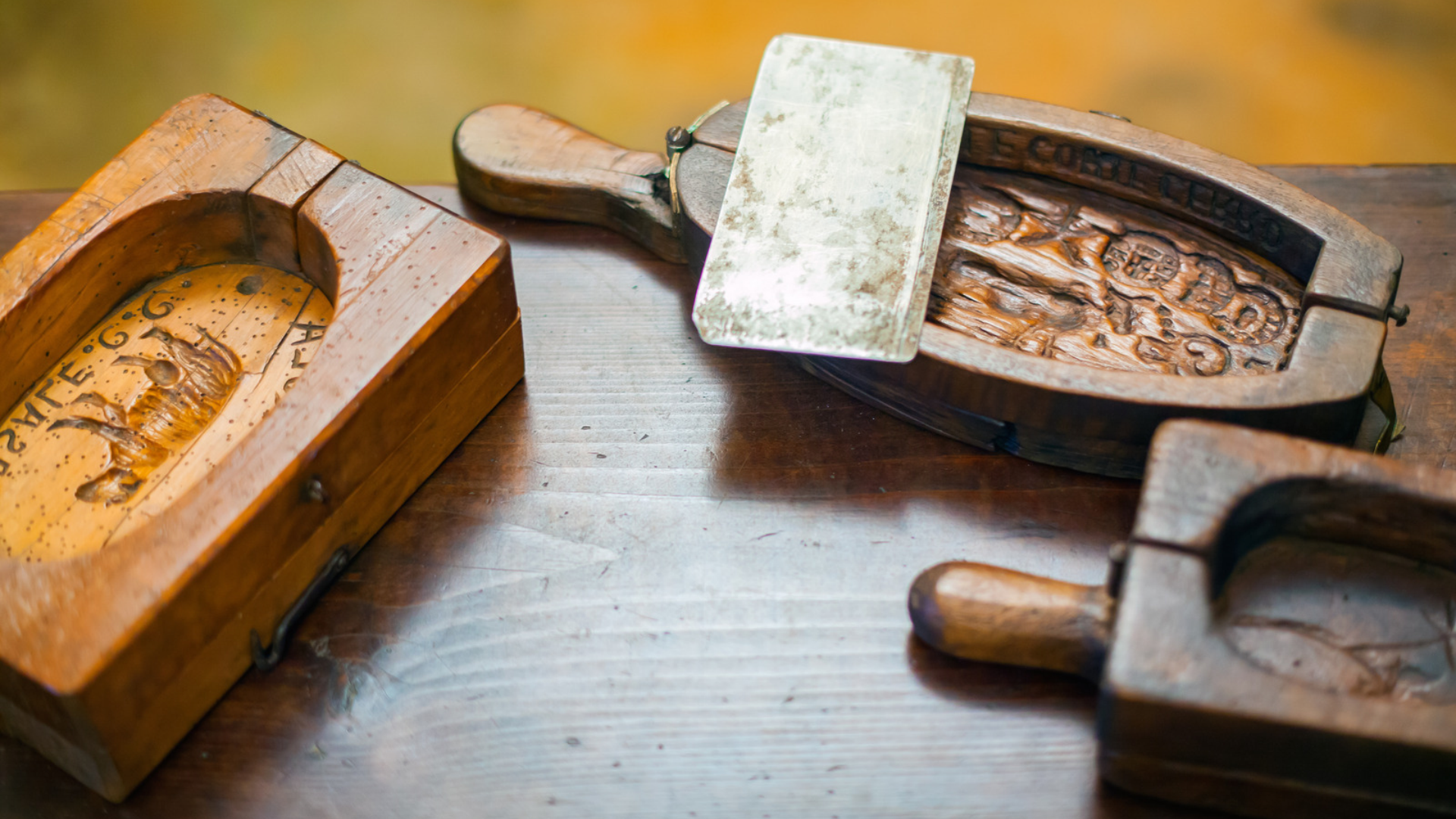
First, you soak the wooden mold in ice water for about an hour. The wood absorbs the cold water and swells up slightly. This creates a slick, wet barrier. The freezing temperature also stops the butter from melting the second it touches the wood.
Pressing The Butter
Once the mold is freezing cold, you pack the butter in tight. You press it down hard to force the fat into all the deep carved lines.
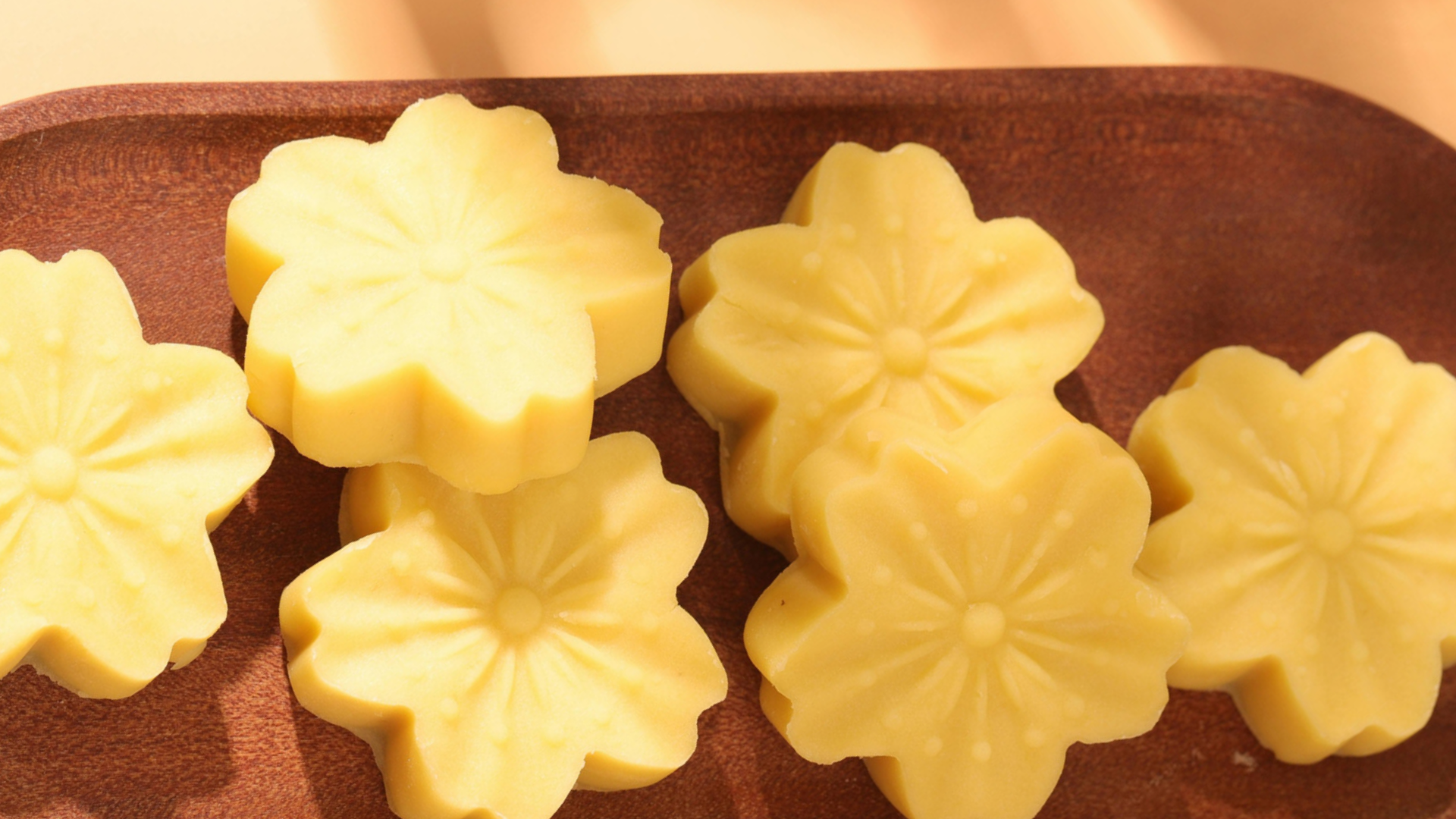
Then you just pop it out. Some molds even have a built-in wooden plunger to push the butter out easily. And that is why it matters how smooth the carving is. A good mold leaves a perfect raised picture on top of the butter block. It turns a basic cooking ingredient into a small sculpture.
 Read Exclusive Stories
 Bookmark & Save Articles For Later