The United States is looking for more power, and it turns out the best place to find it is at the power plants we already have. The Department of Energy (DOE) recently announced a new project called UPRISE. The initiative’s goal is to take the country’s existing nuclear infrastructure and generate more electricity out of it.
This plan focuses on “uprating” current reactors to boost their output, finishing projects that hit a standstill, and even flipping the switch back on at plants that have gone dormant. It’s a practical way to get more energy onto the grid without waiting decades for brand-new technology to catch up.
Why We Need the Extra Nuclear Energy
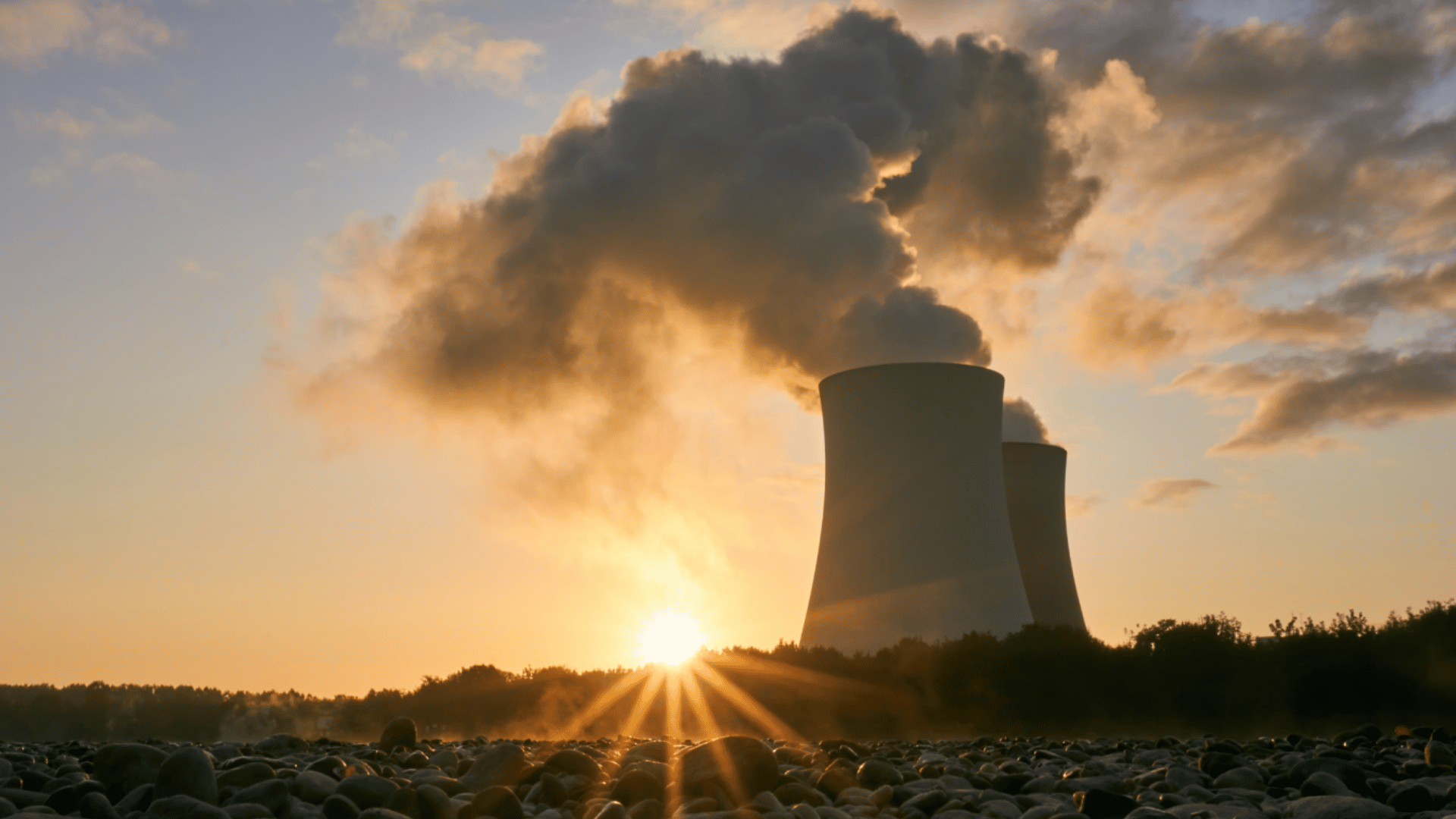
The sudden “rush” for more nuclear output comes down to how much energy we’re using. Between a boom in American manufacturing and the significant amount of electricity needed to run data centers for AI, our power needs are spiking. To keep up, the U.S. wants to quadruple its nuclear capacity from 100 GW today to 400 GW by 2050.
Advertisement
UPRISE is the first big step in that. The DOE wants to add 2.5 GW of capacity by 2027 and hit 5 GW by 2029.
“This will be a resurgence for America’s nuclear fleet,” said Department of Energy Deputy Assistant Secretary Rian Bahran. “Through UPRISE, the Department will work with industry to surpass the President’s goal of 5 GW of domestic nuclear energy expansion by 2030.”
Making It Work
Restarting an old plant or upgrading an existing one isn’t cheap, but it’s often faster than starting from zero. To help with the bill, the government is stepping in with some serious financial backing. The Office of Energy Dominance Financing has over $289 billion in loan authority ready to go. They can cover up to 80 percent of the costs for these upgrades at decent interest rates.
Later this year, the DOE will host “match-making” workshops. These events will pair up power plant owners with the companies that need the electricity. By fixing the supply chain, modernizing fuel tech, and cutting through some of the red tape, the hope is to make the U.S. grid more reliable for the future.