The United States is in the midst of a major push to revitalize nuclear energy. With that, you need fuel. To make that fuel, you need converted uranium. Right now, the U.S. only has one commercial uranium conversion plant. However, that will soon change to two.
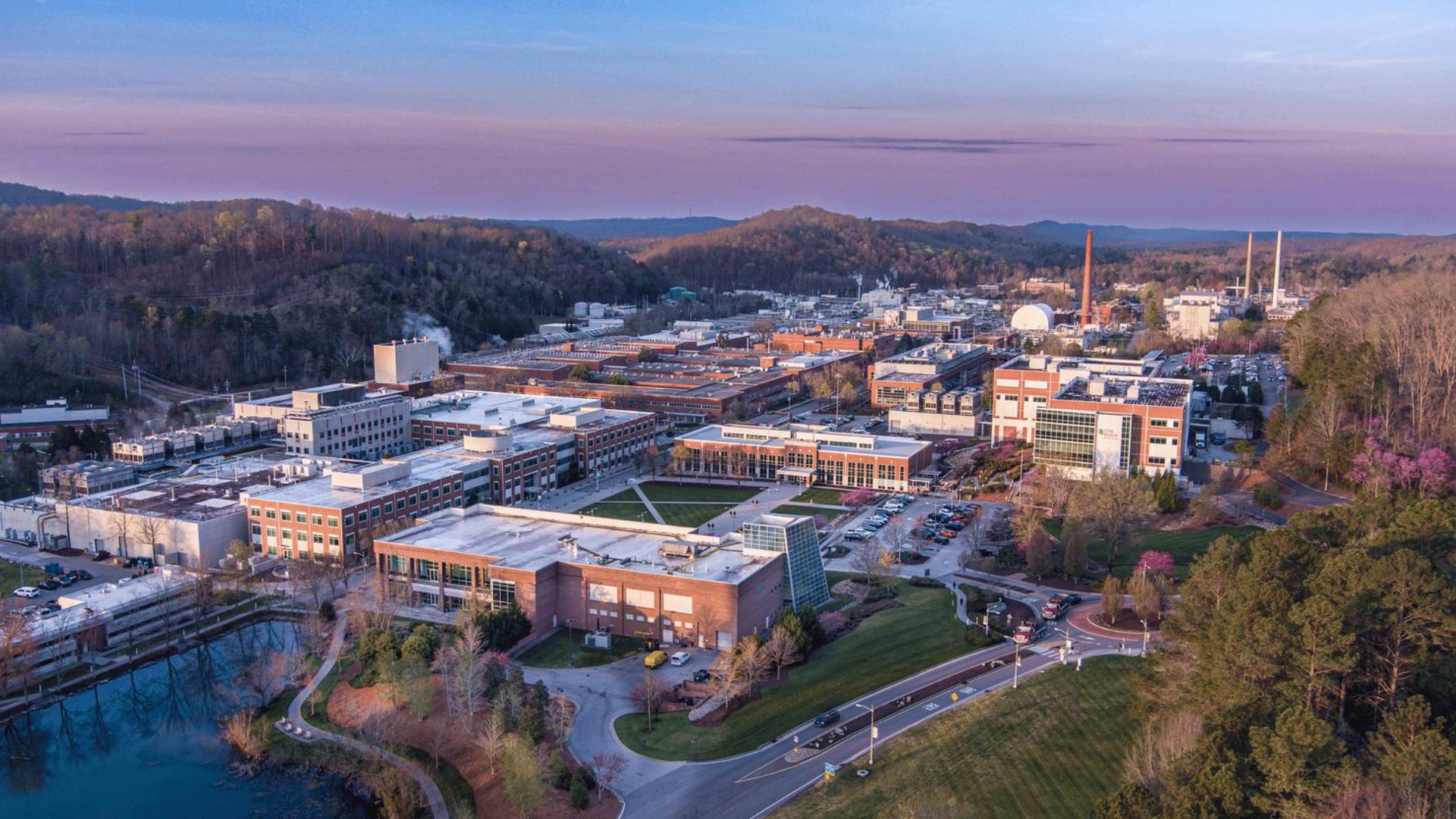
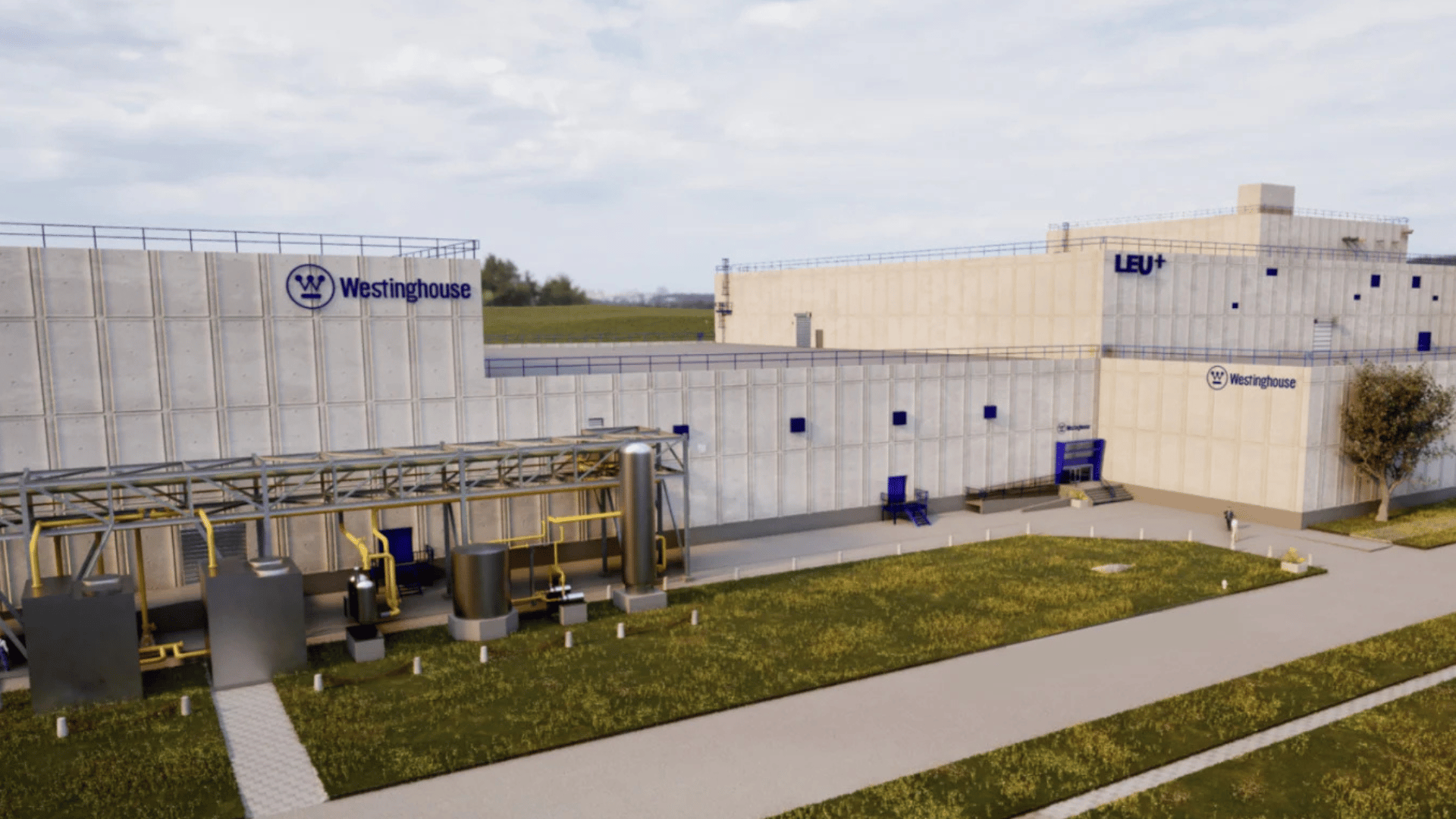
The U.S. Department of Energy selected Raven-Flint Nuclear Corporation to build the second conversion plant, Torch, at Idaho National Laboratory. This new conversion facility aims to address a big gap in uranium production. The only uranium conversion plant in the U.S., Metropolis Works Facility, was built in 1958. According to engineers, that plant meets less than half of the current demand across the country.
Bringing More Uranium Conversion to Life
Once it is up and running, Torch is expected to convert 500 tons of uranium every year into a substance called uranium hexafluoride, or UF6. To put that in perspective, that amount is enough to fuel two large power reactors. This production will primarily serve the Department of Energy (DOE) and its affiliated groups. It may also produce the domestic UF6 that the country needs for defense purposes. All of this directly supports the DOE’s mission under the Nuclear Fuel Security Act of 2023 to ensure the U.S. has a reliable supply of domestic uranium.
Advertisement
Safer Conversion Methods
Raven-Flint announced that it successfully produced UF6 using a new process that completely eliminates elemental fluorine. Eliminating elemental fluorine makes the conversion method safer because the element is at high risk of reacting violently with other materials.
Additionally, the U.S. Nuclear Regulatory Commission (NRC) formally docketed the company’s license application. This means Raven-Flint can move forward with conducting engineering-scale uranium operations at its radiochemistry lab.
Raven-Flint was selected to participate in the DOE’s Nuclear Energy Launch Pad, a program run by the National Reactor Innovation Center. Through this program, developers get a streamlined technical and regulatory path. As a result, Raven-Flint gets direct access to the experts, facilities, and regulatory support at INL while they work toward a commercial scale.
“Selection for the Launch Pad puts Raven-Flint alongside the country’s best resources for turning a proven lab-scale process into a full-scale facility,” Nick Smith, Co-Founder and CEO of Raven-Flint, explained.. “INL is where much of our team built their expertise, and working inside the Launch Pad framework gives us a faster, clearer path from demonstration to deployment.”
 Read Exclusive Stories
 Bookmark & Save Articles For Later