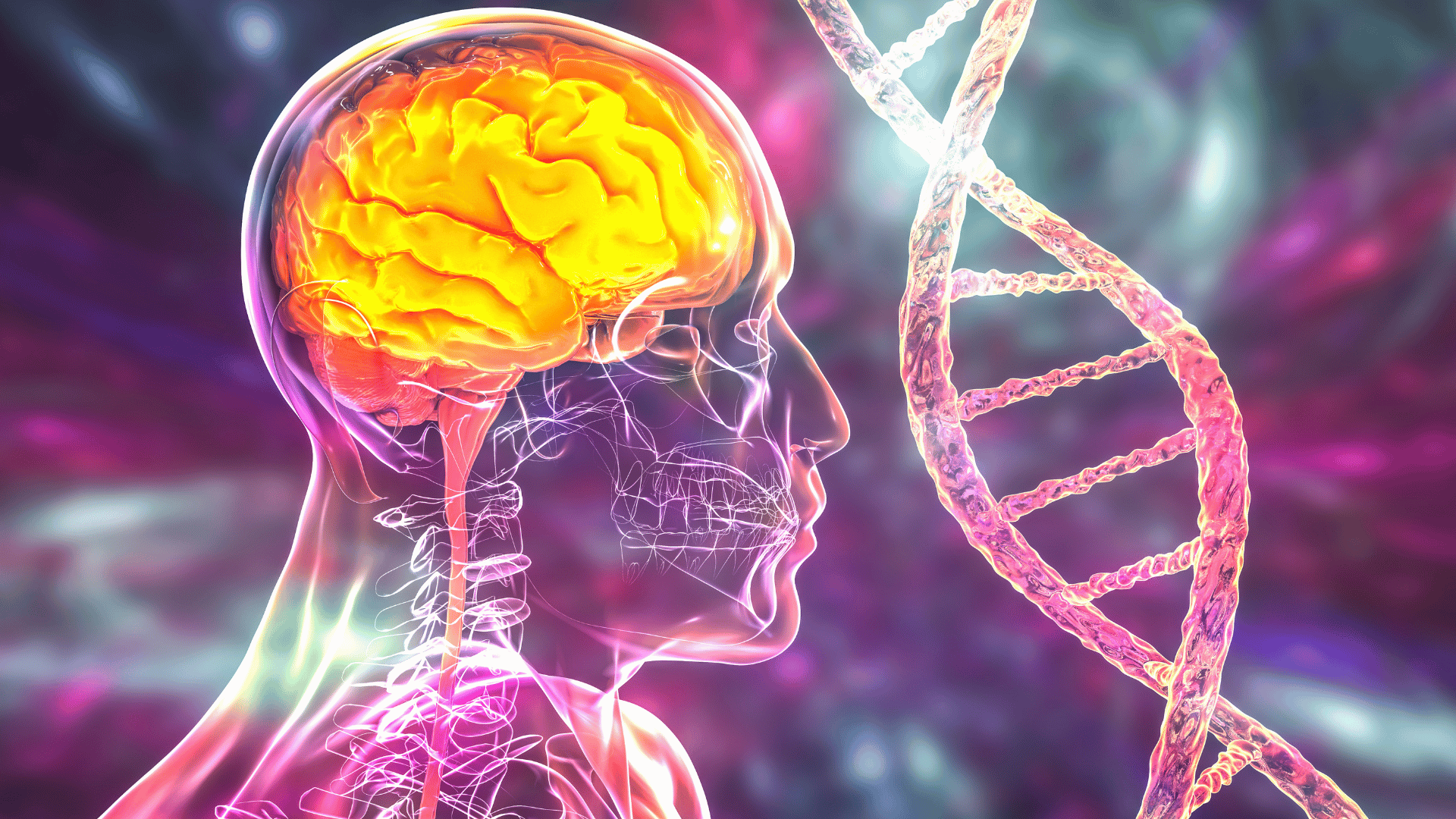
Researchers from three institutions, including UC Santa Barbara, found a way to use artificial intelligence to make visual implants more precise.
Researchers traveled to a hospital in Spain to test a deep-learning model on a blind 27-year-old man. He lost his vision after a traumatic brain injury and had a temporary 96-channel electrode array implanted in his visual cortex.
“Building a model in the abstract is one thing,” said Michael Beyeler, a UCSB associate professor. “Seeing it shape an experiment with a person is something else entirely. That ability to go from theory to something that may one day help people is what drives much of the work in our lab.”
Communicating with the Brain
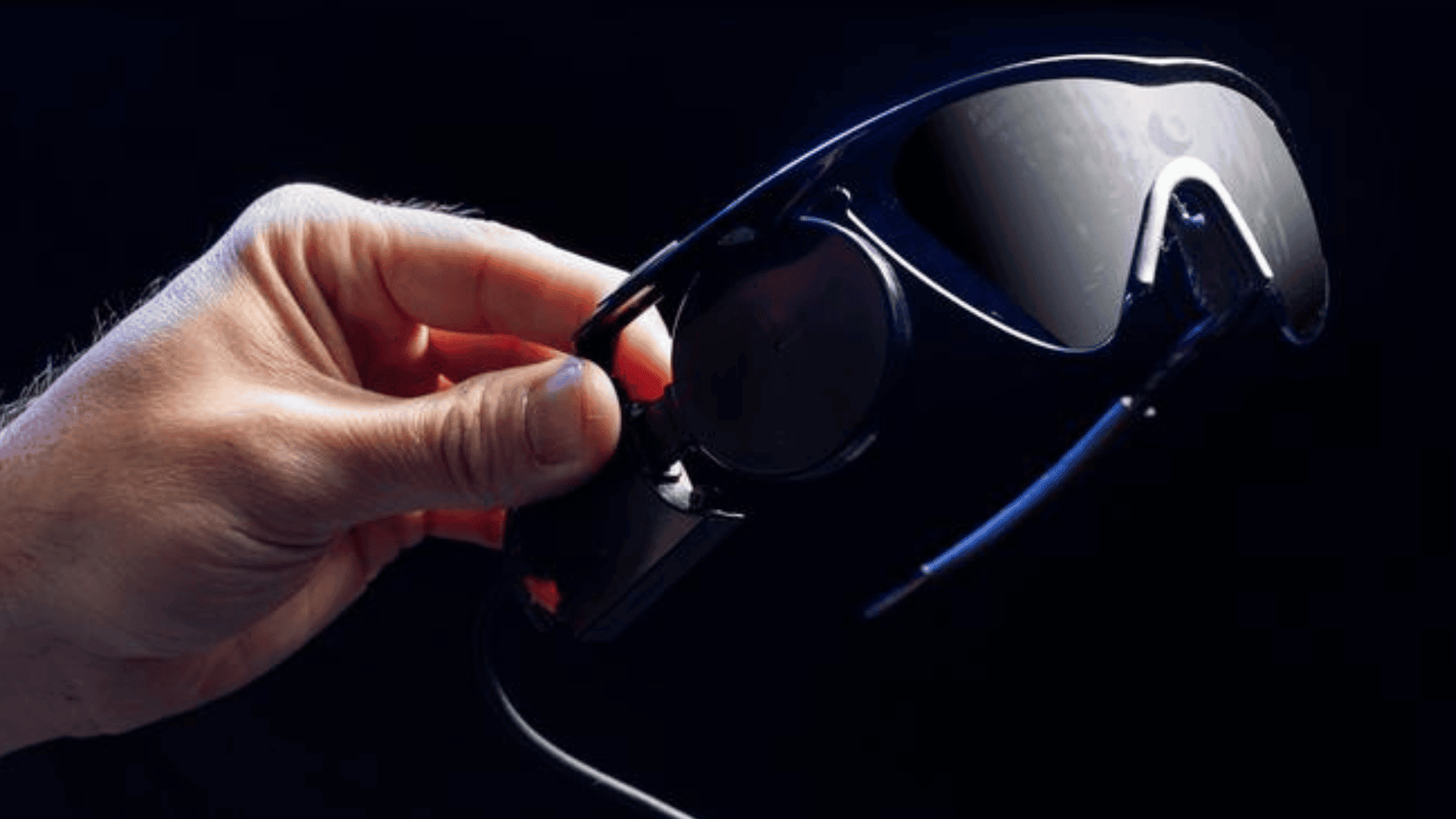
Cortical prostheses bypass the eyes entirely, sending electrical signals straight to the visual cortex. When the device sent signals to the man, he saw spots of light called phosphenes. While this sounds positive, sending a signal doesn’t mean you know exactly what a person will actually see.
“Engineers naturally want to treat phosphenes like pixels: stimulate more electrodes, and you should get a more complete image,” Beyeler said. “But the brain does not work that way. Electrodes interact, neural responses fluctuate, and what we put into the brain is not necessarily what the person perceives. The challenge is to learn more about that transformation.”
Advertisement
The implant didn’t just stimulate his brain, it also recorded how his neurons reacted. The team trained an AI model on this data. When they tested the AI-designed patterns, they recreated brain activity more accurately and used less electrical current. The model even looked at his resting brain activity before testing, so it could adjust to his current state.
Adapting to the User
This approach is meant for people whose visual cortex still works, even if they have optic nerve damage from strokes or injuries.
The benefit is especially meaningful for those “who have been able to see for part of their life, but then, because of an inherited eye disease or an accident, have lost their vision,” Beyeler said. “For those people, the desire may be very strong to get some vision back.”
According to the researchers, it’s important that the tech learns from the user.
“A useful visual prosthesis cannot rely on a fixed recipe,” Beyeler said. “It has to learn how an individual brain responds and adapt the stimulation accordingly. Ultimately, the device should adapt to the person, not the other way around.”
 Read Exclusive Stories
 Bookmark & Save Articles For Later