It feels like every year at CES, we see gadgets that look like they belong in a sci-fi movie. This year, Lenovo is leaning into that futuristic vibe with a handful of “proof-of-concept” designs. These aren’t just minor updates to last year’s laptops. They are experiments in how we might actually use AI and flexible hardware in our daily lives.
Lenovo’s Screens That Grow
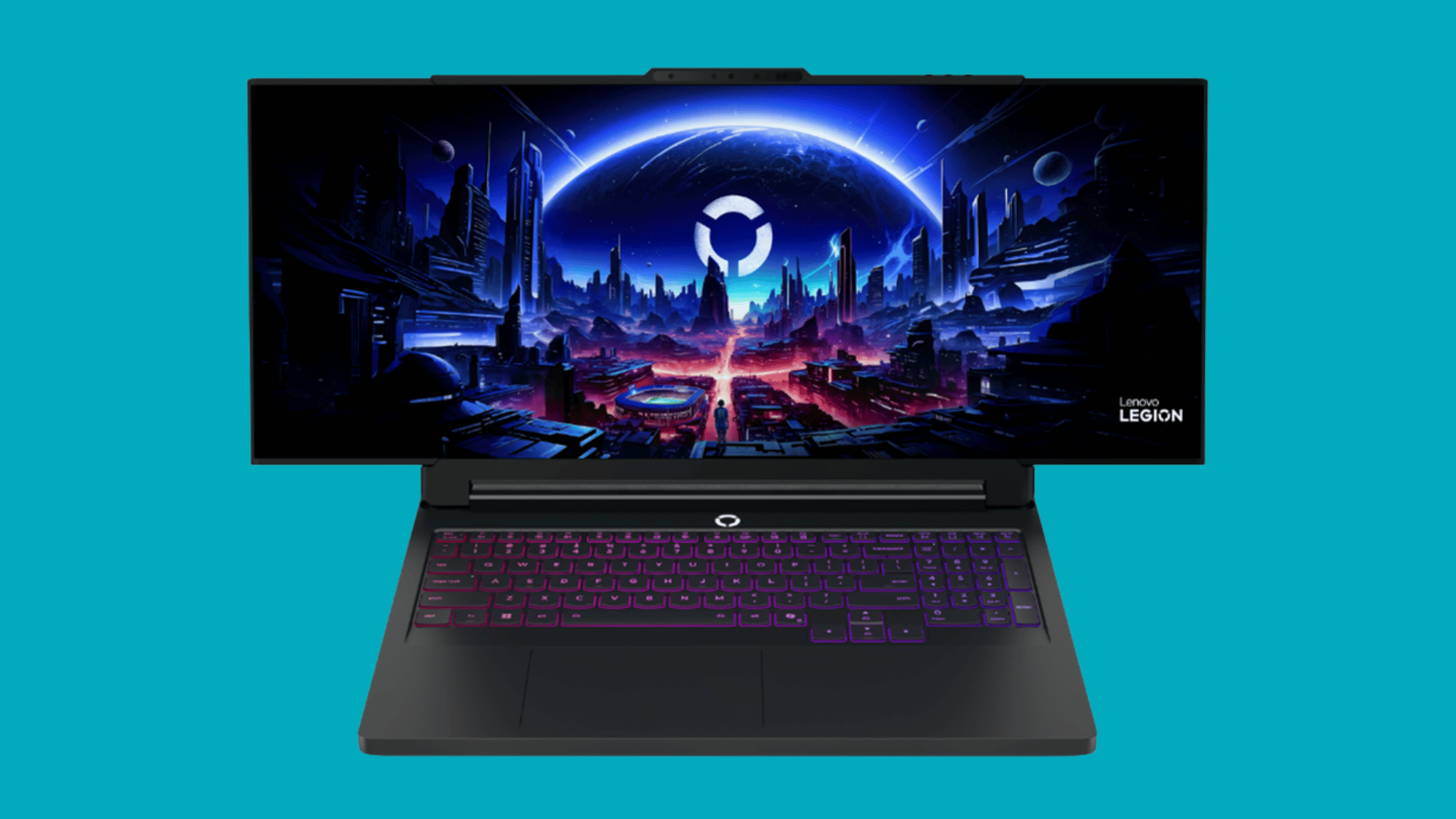
The ThinkPad Rollable XD Concept stands out amongst the rest. While folding screens already exist, this one grows. It starts as a compact 13.3-inch laptop, but with a swipe or a voice command, the screen rolls upward to become a 16-inch workspace.
Additionally, the back is made of transparent Gorilla Glass, so you can see the gears and parts moving as the screen expands. Lenovo says this device is “one of the world’s first out-folding devices with a world-facing display and expanding user-facing screen.”
Lenovo’s goal is to make multitasking feel less compact, whether you’re editing a video or just trying to keep track of every open tab.
Advertisement
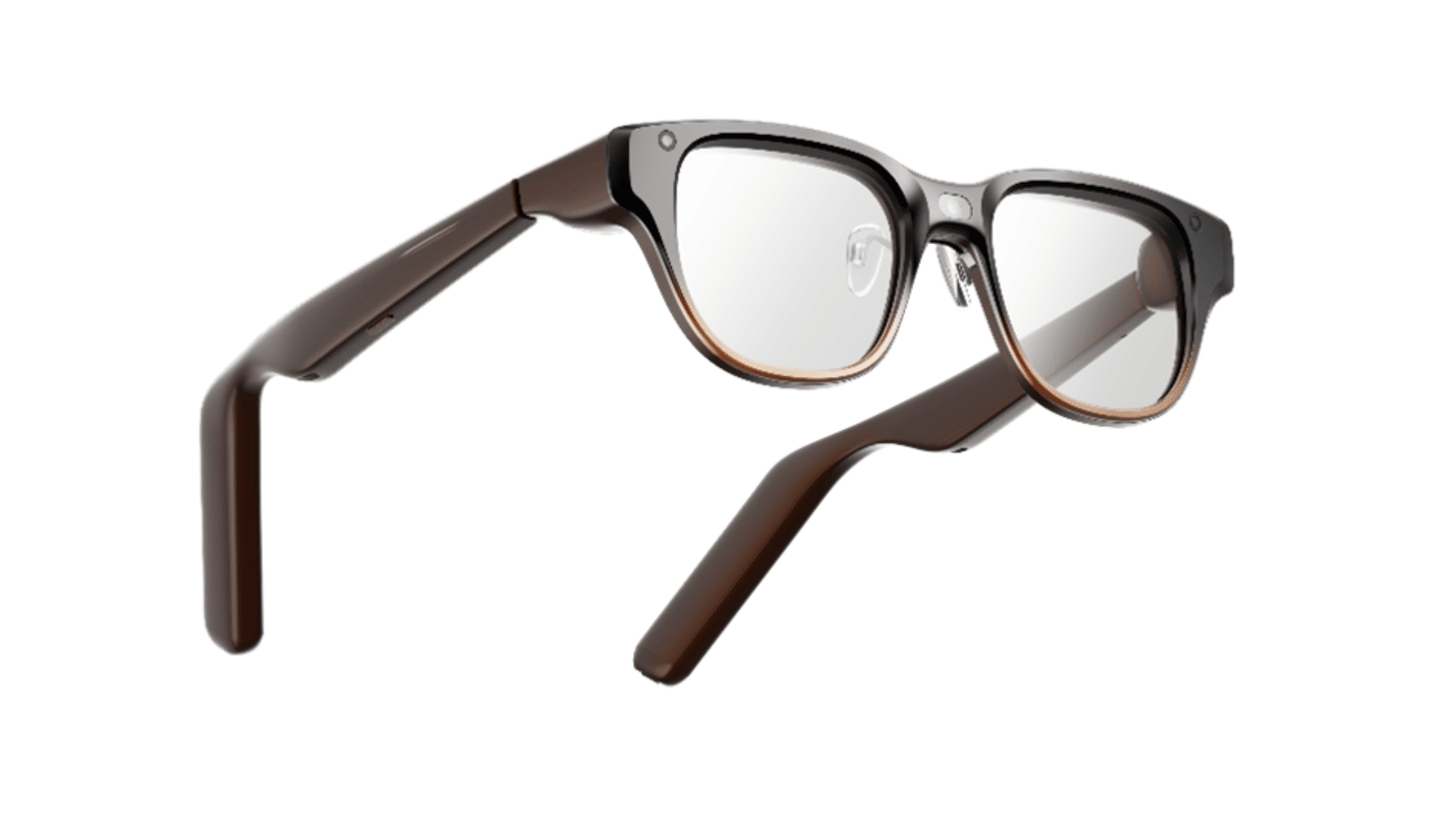
Then there are the Lenovo AI Glasses that weigh about the same as a standard pair of sunglasses. These glasses connect wirelessly to your phone and can act as a teleprompter during a speech. There is also a feature called “Catch Me Up” that shows you a quick summary of your notifications without taking your phone out every time it buzzes.
Lenovo’s AI Hub
Lenovo is also considering how all our different devices communicate. For example, the company introduced a personal AI hub called Project Kubit. Think of it as a private cloud for your home that connects your phone, PC, and smart devices. It’s powered by high-end Nvidia chips, sits behind a transparent touch display, and acts as a central brain for your devices.
The company also showcased a Self-Charging Kit with a keyboard and mouse that runs on “light-harvesting technology.” Basically, they can still charge using low, ambient light in your office. It’s a simple fix when your wireless mouse dies in the middle of a project.