If you’ve ever driven slowly past a job site early in the morning, you’ve probably noticed one person digging, a few others holding coffee, and a couple more just standing around.
It might seem like laziness, but it’s not. It’s actually a problem with how work is organized—something the industry hasn’t figured out until now.
This year, Caterpillar and Doosan Bobcat are finally addressing all that wasted time on job sites. They’re not just making machines faster—they’re making them smarter, so the job site doesn’t feel like a waiting room anymore.
A Mentor in the Cab
At Caterpillar’s keynote, everyone was talking about “Industrial AI.” But what really stood out was the live demo, where they introduced a 306 mini excavator powered by the new Cat AI Nexus system.

The machine wasn’t just doing the work for the operator. Instead, it was actually coaching them.
If the operator used the controls too roughly or wasted fuel, the system gave instant feedback. It’s like having a mentor in the passenger seat, except this one is an NVIDIA chip that never gets tired, never loses patience, and never gets distracted.
No More Seat
Then Bobcat introduced something completely different, the RogueX3.
Advertisement
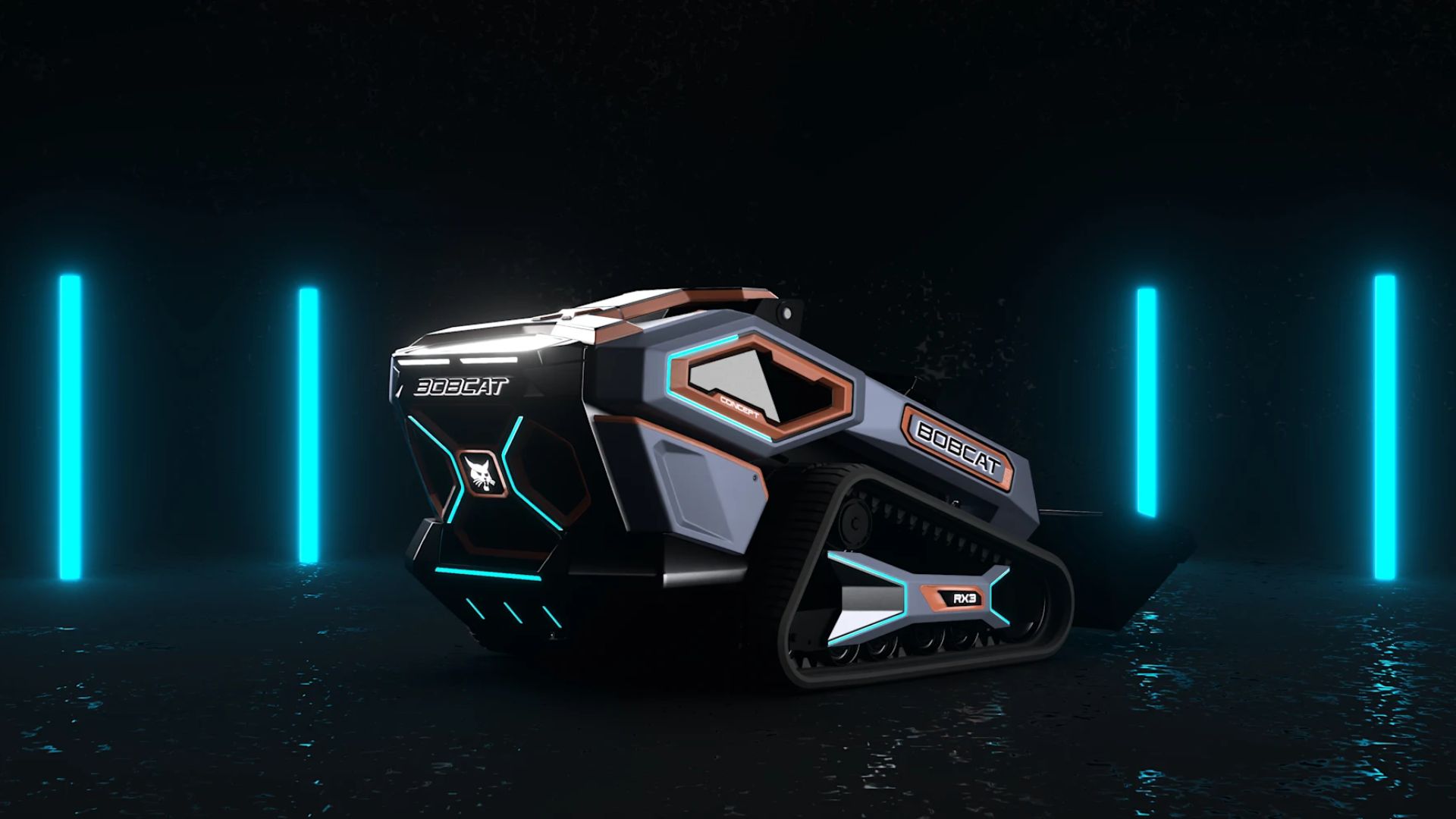
This machine is a little different. There is no seat. No steering wheel. No hydraulics. It is a concept loader that skips the cab altogether because no human should be inside it.
It moves like a giant electric remote-control car. It’s designed for jobs that are too hazardous for people, such as clearing toxic debris or moving unstable materials. At first, watching it in action might feel strange, but it makes sense to keep people safe while still giving them control over their own devices.
Why This Matters
People often worry about automation and ask the same question: Will machines take our jobs?
But in construction, that’s not really the issue. The bigger problem is finding people to fill existing job openings. There’s a real labor shortage right now, and we don’t have extra workers.
With these new tools, a single skilled operator can control multiple machines using a tablet. They avoid the noise and fumes. Rather than replacing workers, this technology helps them do more. The job site becomes less chaotic and more organized, efficient, connected, and still led by people.
This is an update that finally feels right.