People have built mosaic walls for thousands of years. Ancient Romans glued tiny pieces of marble and colored glass into floors and outdoor courtyards. Step into any museum today, and you can still see those bright, detailed pictures.
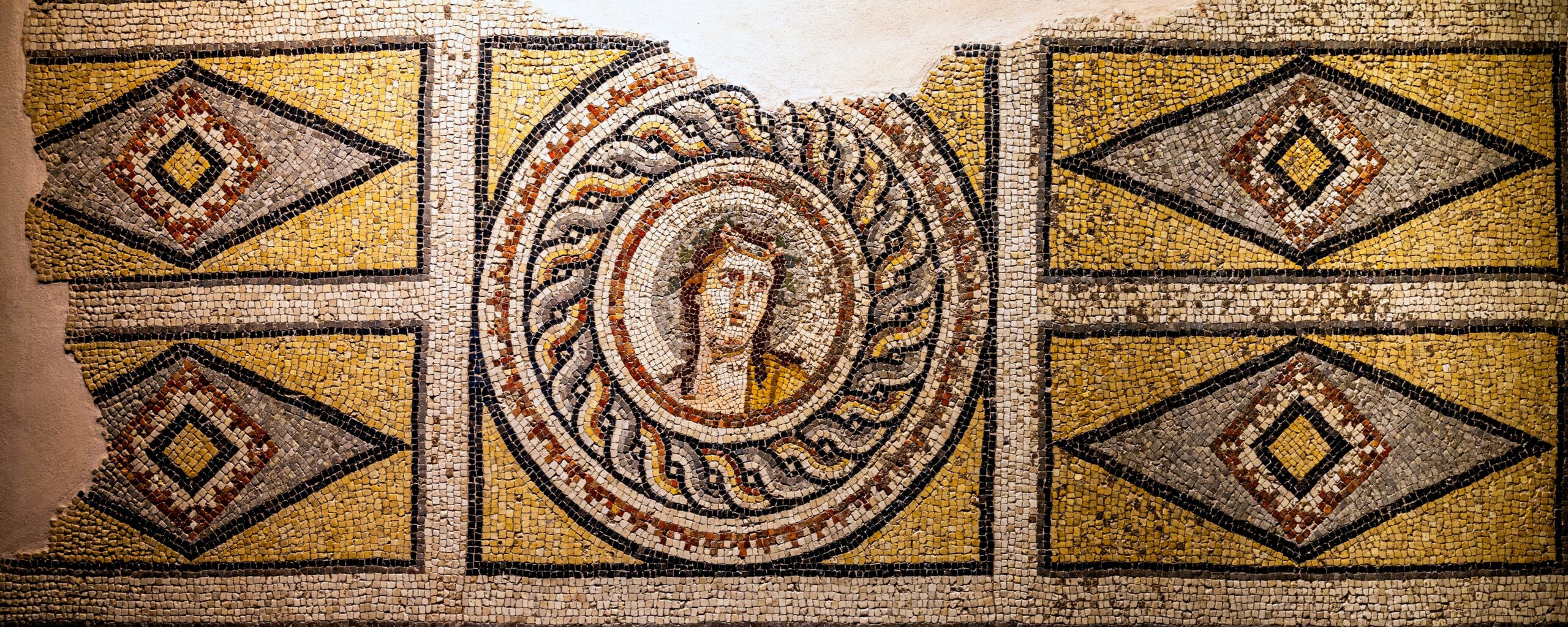
The concept stays simple: take small fragments, arrange them carefully, and turn a plain surface into art. Engineers and artists are giving this age-old tradition a modern twist. Mosaics are moving beyond basic decor and becoming functional, sustainable power generators.
Turning Tiles into Clean Energy
Traditional mosaic tiles set into a wall look nice. Smart mosaics do real work.
Researchers are building textured wall surfaces with tiny solar cells and light-trapping glass. Instead of installing huge, dark panels on a roof, builders can mix solar tiles directly into building walls.
The small pieces catch sunlight from multiple angles throughout the day. A plain brick wall on an office building suddenly powers indoor lights or charges electric vehicles in the parking lot.
Some designs use luminescent materials inside colored glass tiles. The glass traps sunlight, bounces it along the edges, and directs it straight to hidden solar collectors. That means an artist can design a colorful geometric mural that produces electricity without looking like a power station.
Built from Yesterday’s Trash
Advertisement
Creation and production go hand in hand with sustainability. Creating fresh glass and cutting new stone takes a lot of energy. Modern mosaic makers are shifting toward recycled materials to fix that.
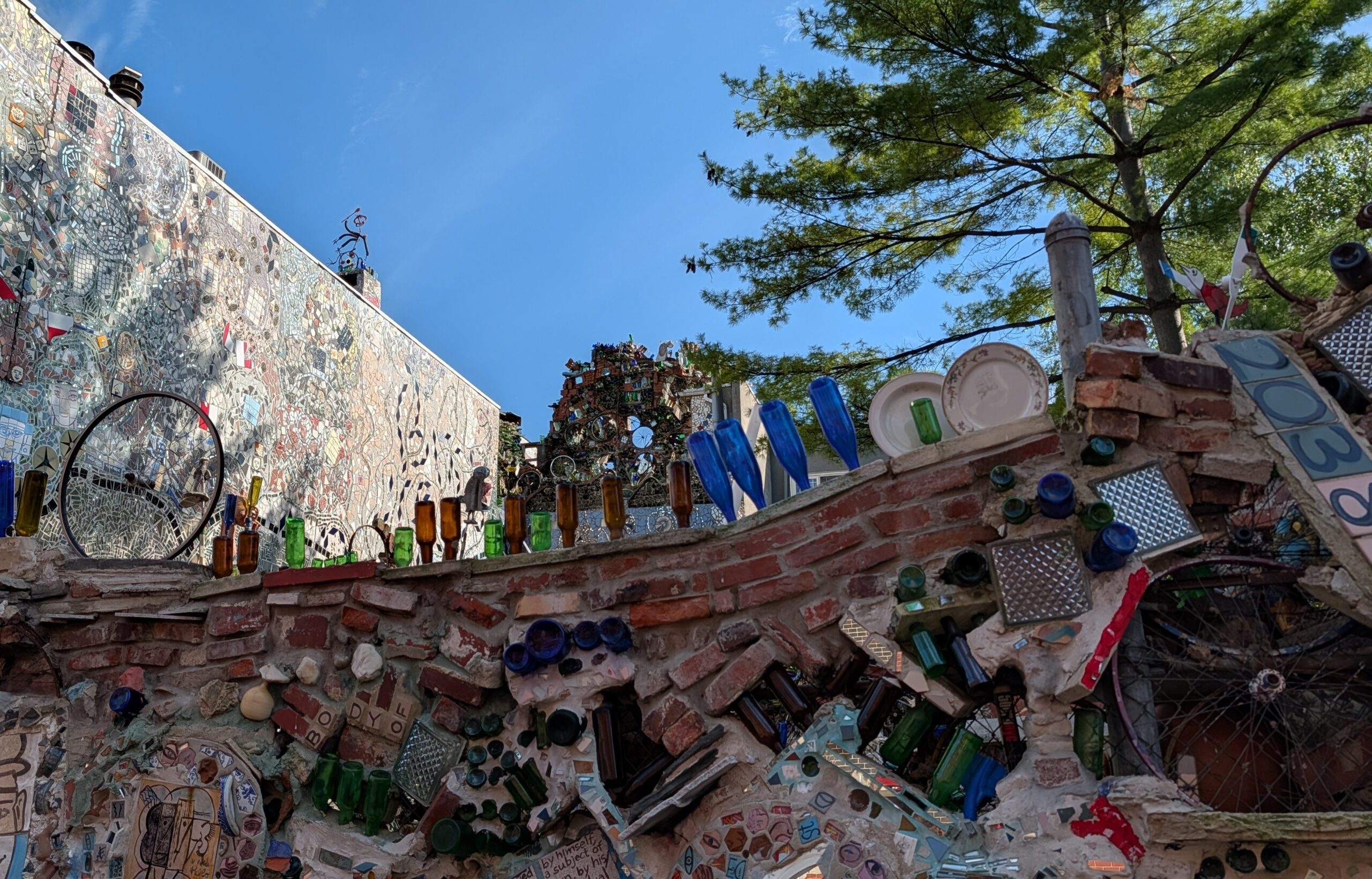
Factories are turning old bottles, crushed windshields, and discarded building waste into tough, colorful glass tesserae. Some teams even reuse old, broken solar panels to make brand-new glass components. Crushing old glass down and melting it back into decorative tiles uses far less energy than making material from scratch.
It also keeps tons of trash out of landfills. So, when you look at a modern glass mosaic wall, you might look at last year’s soda bottles or retired electronics working a brand-new job.
What’s Next for Wall Art?
Future mosaic walls might do even more than generate power.
Scientists are experimenting with smart coatings for outdoor ceramic tiles. These coatings react with sunlight to break down air pollution, cleaning smog right out of the city air. Other builders test thermo-reactive tiles that change color with temperature, helping keep buildings cooler in the summer heat.
Mosaics used to tell stories about ancient history. The mix of smart tech, clever recycling, and creative design transforms those same classic tiles into tools for a cleaner future. The walls around us are no longer passive. They are active, useful parts of our cities.
 Read Exclusive Stories
 Bookmark & Save Articles For Later