Most artists know the feeling. You’re painting, writing, designing, or playing music, and suddenly time seems to disappear. Ideas flow naturally. Problems solve themselves. Many people call it being “in the zone.”
For years, creativity was often seen as a mysterious gift that some people had and others did not. But modern neuroscience tells a different story. Creativity is not magic. It is a process that involves several parts of the brain working together in surprising ways.
How the Brain Generates Creative Ideas
Researchers have found that creative thinking depends on a network of brain regions rather than a single “creative center.” One important system is called the default mode network. This network becomes active when people daydream, reflect, or imagine new possibilities. It helps generate ideas and make unexpected connections between things that may seem unrelated.
Another part of the brain, known as the executive control network, helps organize those ideas. It evaluates possibilities, solves problems, and decides which ideas are worth developing. In simple terms, one part of the brain helps create possibilities while another helps shape them into something useful.
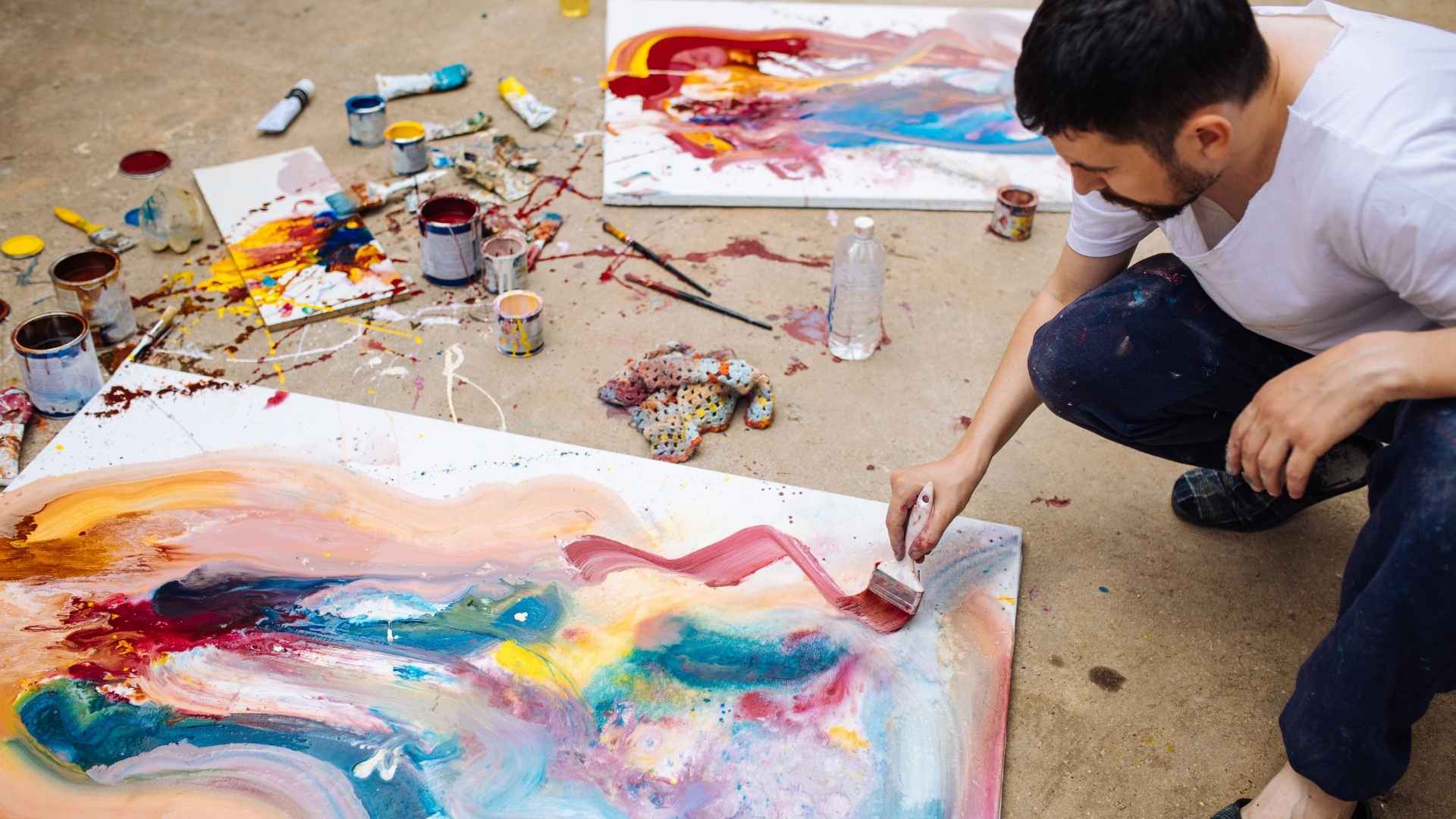
This partnership is one reason creativity can take many forms. A painter mixing colors, an engineer designing a bridge, and a writer developing a story are all using similar mental processes. They are exploring ideas, making connections, and turning imagination into something real.
Advertisement
Creativity’s Impact on Health and Problem-Solving
The benefits go beyond creating art. Studies have shown that creative activities can help reduce stress and support emotional well-being. Researchers at institutions including Drexel University have found that making art can lower cortisol levels, a hormone associated with stress. What’s interesting is that these benefits are not limited to professional artists. People with little artistic experience also showed positive effects.
Creativity also helps strengthen problem-solving skills. When people experiment, adapt, and try new approaches, they train the brain to think more flexibly. This ability is valuable in nearly every field, from science and technology to education and business.
History offers plenty of examples. Inventors often sketch ideas before building them. Architects combine artistic vision with engineering principles. Medical researchers use creative thinking to develop new treatments. The same mental skills that inspire a painting can also help solve complex real-world challenges.
Creativity Is for Everyone
Perhaps the most encouraging discovery is that creativity is not reserved for a select few. The brain remains capable of learning and adapting throughout life. Every time someone writes a poem, picks up a paintbrush, builds a model, or learns an instrument, they are exercising skills that support imagination and growth.
Creation has always been part of what makes us human. Science is now helping explain why. When we create, we are doing more than making art. We are strengthening our ability to learn, connect ideas, and see new possibilities. And that may be one of the most remarkable things the human brain can do.
 Read Exclusive Stories
 Bookmark & Save Articles For Later