Look down at a bathroom floor or kitchen backsplash. You are likely staring at one of the oldest human inventions still in daily use: ceramic tile. Creating a tile seems simple enough. You take wet dirt, shape it, and bake it until it hardens. But turning raw earth into durable, beautiful art requires a blend of creative design, geology, and high-heat engineering.
From Wet Mud to Solid Shapes
The creative process starts with raw materials dug straight out of the ground. Tile makers blend clays like kaolin with quartz sand, feldspar, and water. This mixture forms a thick slurry, which gets dried out into a fine, workable powder.
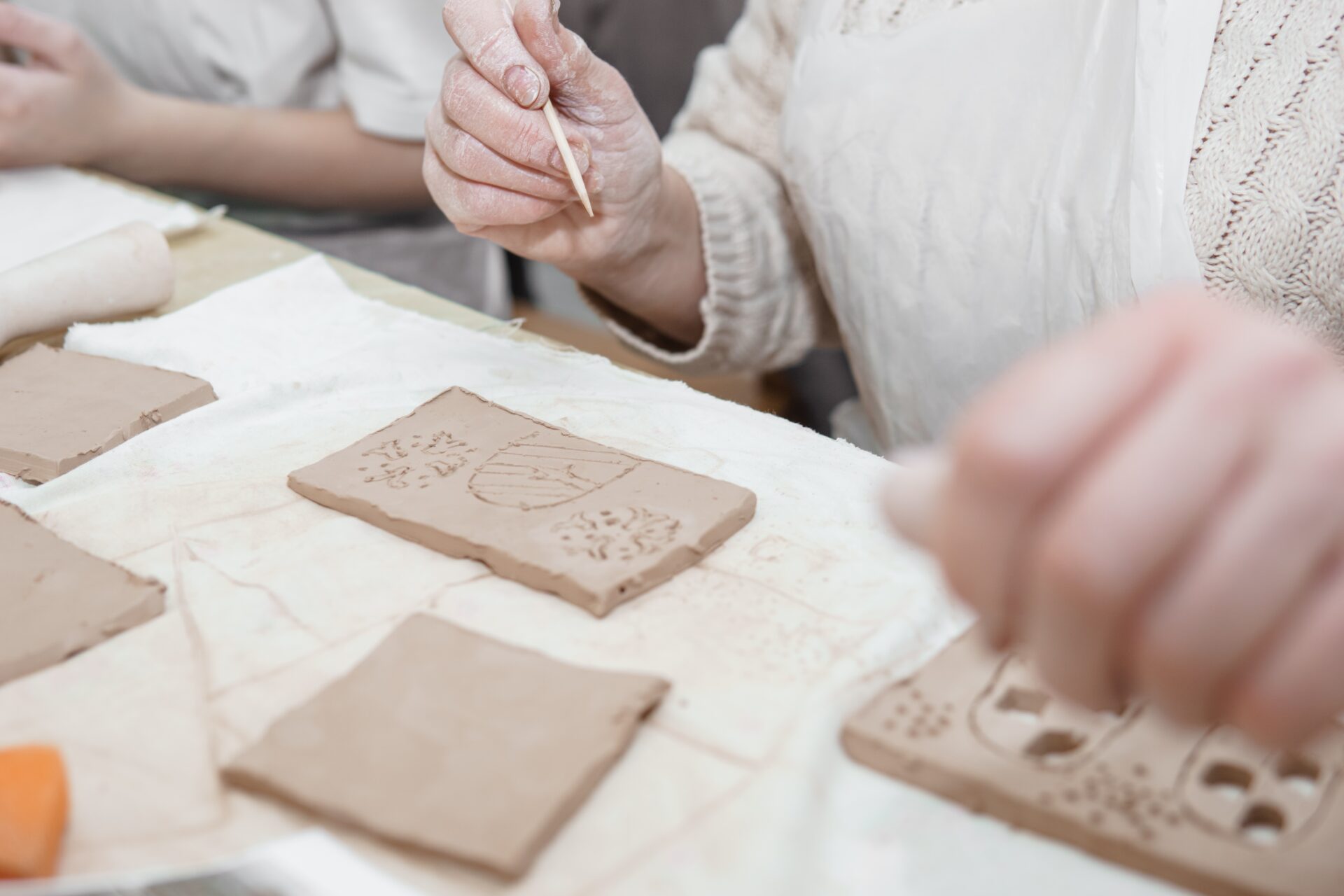
Next comes shaping. In traditional workshops, artisans shape tiles by hand, pressing clay into wooden molds or carving intricate geometric patterns directly onto the surface.
In modern factories, giant hydraulic presses stamp the clay powder under thousands of pounds per square inch of pressure. This creates a dense, flat block called greenware.
Before going anywhere near a fire, greenware must be completely dry. If even a tiny pocket of moisture stays trapped inside, the tile will explode when heated.
Adding Color and Personality
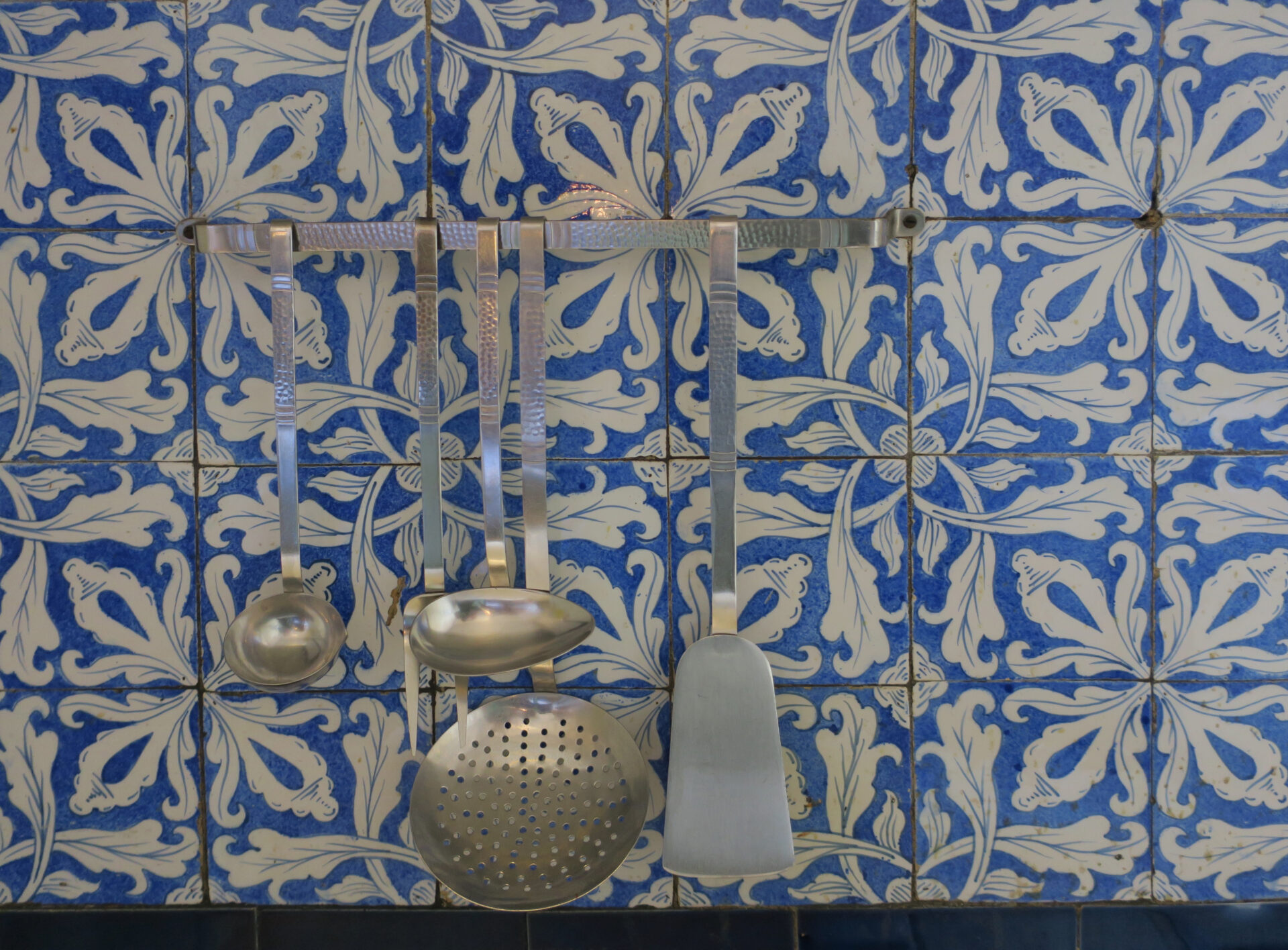
Unfired clay looks dull and gray, but glazing gives tiles their character. Glazes are made from ground glass particles mixed with water and metallic oxides. When painted or sprayed onto the tile, these oxides do not look like much. Cobalt oxide looks like gray powder, but it turns into a deep cobalt blue after baking. Iron turns warm red, and copper creates rich greens.
Advertisement
Today, manufacturers also use digital inkjet printing. These high-tech printers drop microscopic beads of liquid glaze onto uneven clay surfaces. It lets designers reproduce complex patterns, such as natural marble veins or weathered wood grain, with incredible detail.
The Chemistry of the Kiln
The real transformation happens inside the kiln. Tiles travel through giant tunnel ovens heated to temperatures between 2,000 and 2,300 degrees Fahrenheit.
At these extreme temperatures, a chemical process called vitrification takes place. The quartz and feldspar melt into a liquid glass state. As the kiln slowly cools, this liquid fuses with the clay body, turning the soft block into a rock-hard, water-resistant ceramic. At the same time, the surface glaze melts into a glass shield that locks in the colors forever.
Ancient Roots, Modern Uses
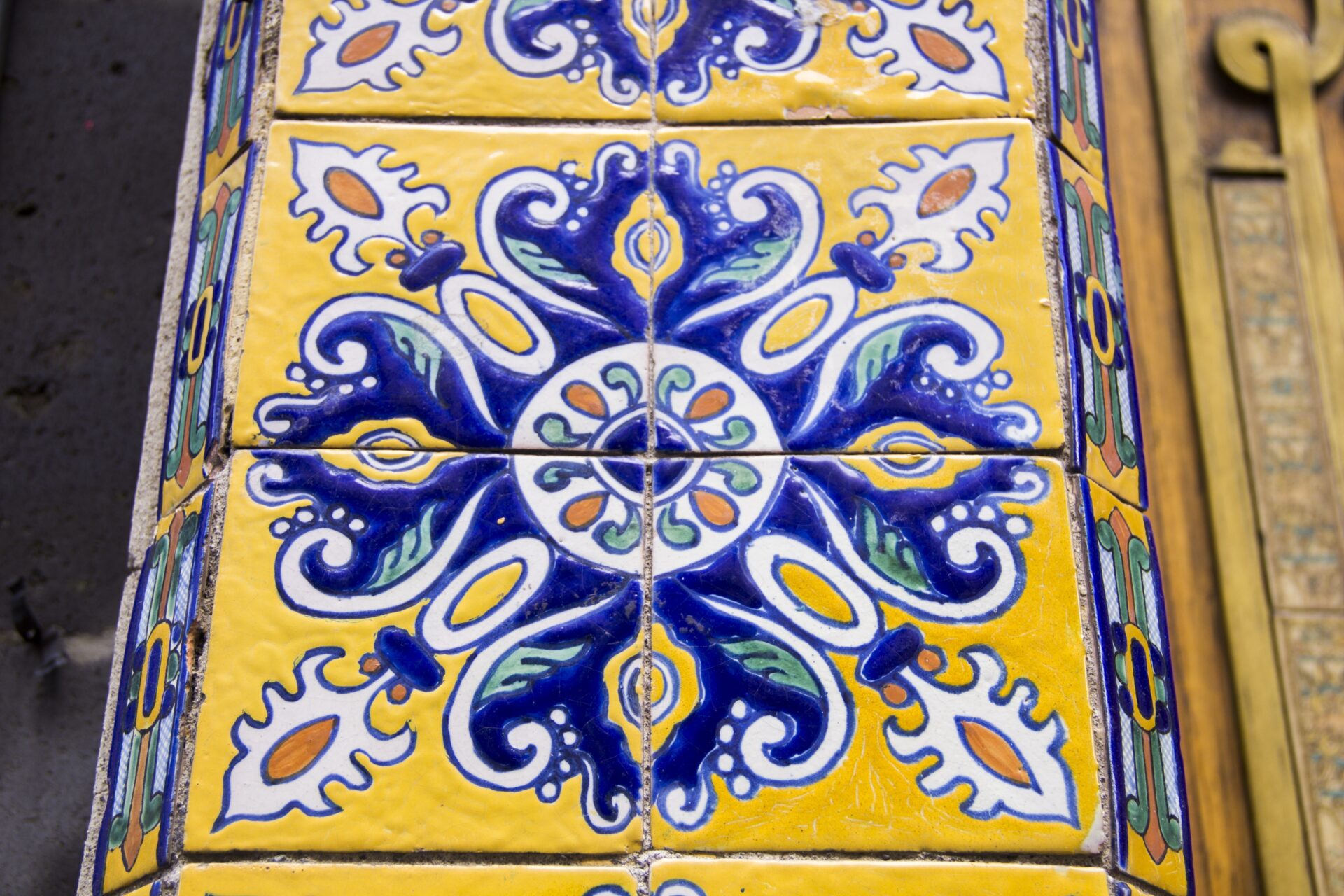
Humans have crafted ceramic tiles for thousands of years. Artisans in ancient Mesopotamia, Morocco, and Spain built stunning mosaic walls using hand-carved clay tiles.
Designers experiment with recycled glass, crushed granite waste, and new glaze recipes to make lighter, stronger tiles. Whether carved by hand or printed by high-tech machinery, every ceramic tile is a blend of artistic vision and materials science.
 Read Exclusive Stories
 Bookmark & Save Articles For Later