Step into an ancient cathedral, and you will see colorful light pouring through massive windows. Some of these stained glass panels are over 800 years old. They endured storms, wars, and centuries of changing weather.
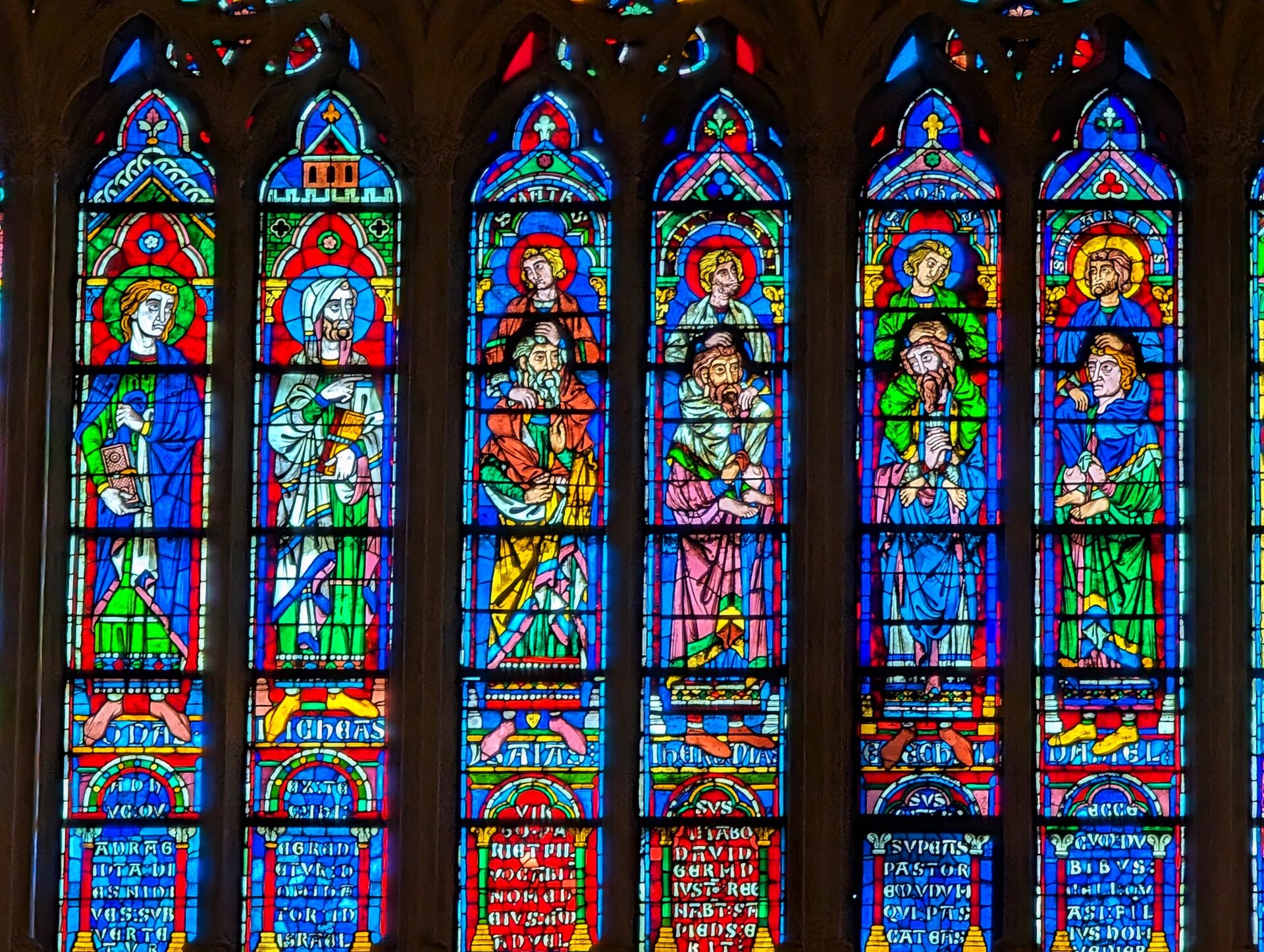
Glass seems fragile, so their survival feels like magic. But smart material science and clever engineering keep these windows standing strong today.
Chemistry Holds the Colors Fast
Painters apply color onto a canvas surface. Stained glass makers take a completely different route. They mix metallic salts directly into molten glass as it is being made.
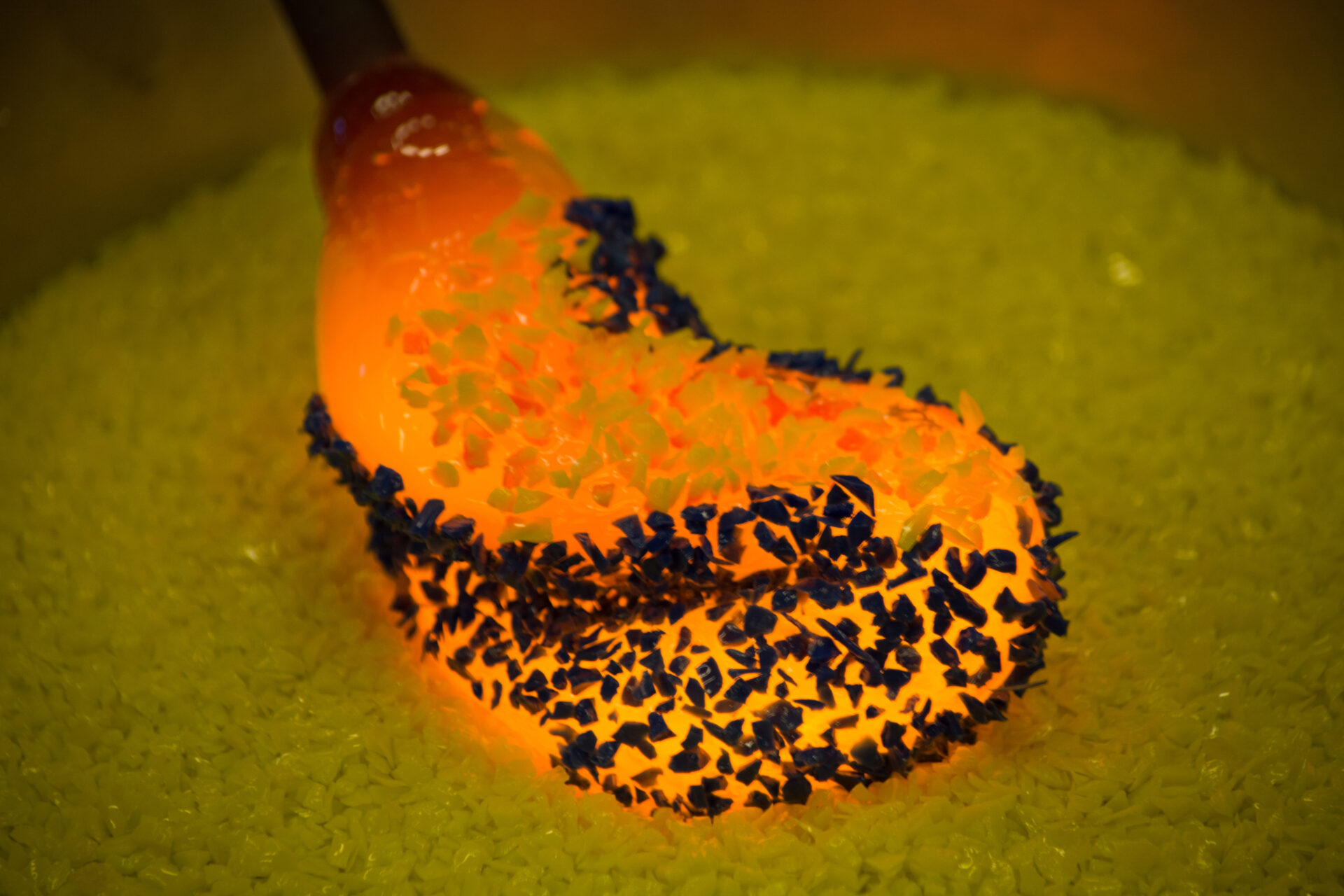
Adding cobalt oxide creates deep blues. Gold produces rich reds, while silver creates bright yellows. Because the color sits inside the glass structure itself, sunlight never fades it.
Medieval artists also painted fine details, such as facial features, using ground glass and iron powder. They baked the glass in a kiln to melt those lines directly onto the panel. The surface painting became part of the glass forever.
Flexible Metals Keep It Together
Glass panels cannot hold themselves up in a window frame. Craftspeople use thin strips of lead, called cames, to join individual pieces together.
Advertisement
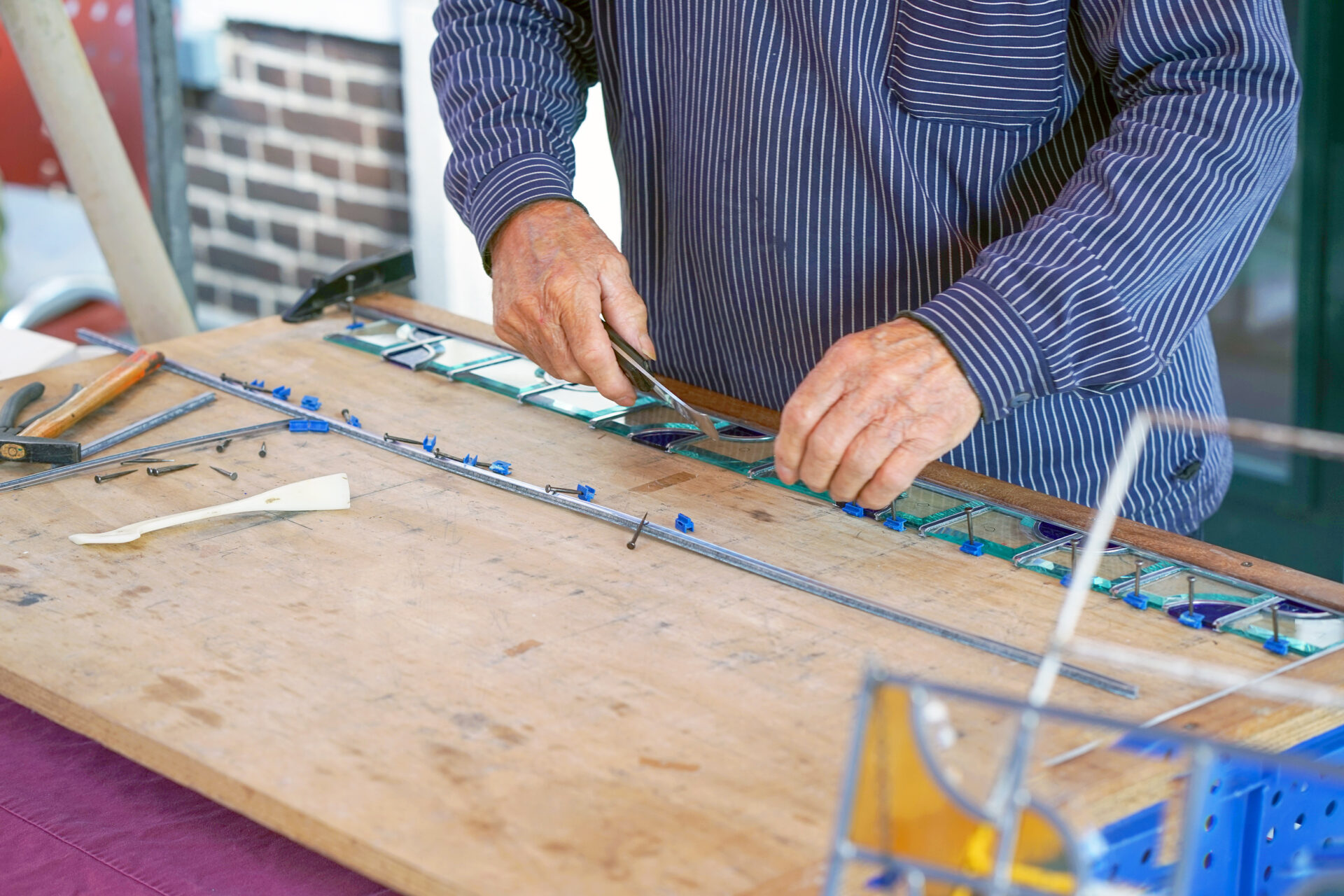
Lead works well because it bends easily. It acts like a soft cushion around the glass edges. When heavy winds blow against a building, the lead bends slightly without snapping. This flexibility absorbs pressure and keeps the rigid glass from cracking.
However, lead wears down after about 100 to 200 years. Gravity pulls on the metal, causing panels to bulge or sag. Restoration experts carefully take the windows apart, replace the soft lead strips, and rebuild the puzzle.
Modern Tech Protects Old Art
Nature poses the biggest threat to historic glass. Rainwater slowly dissolves the chemical compounds inside old glass, causing tiny cracks on the surface. Air pollution speeds up this damage.
Conservators use modern protective glazing to save fragile panels. They install clear, vented glass on the outside of the building. This outer shield blocks rain and wind while letting light pass through.
Sensors within the gap monitor humidity and temperature. This setup creates a climate-controlled space around the historic glass.
3D scanning lasers also help experts map tiny cracks without touching the panels. These digital tools guide delicate repairs before major damage happens. Science and skilled craft work together to preserve these historic art pieces for future generations.
 Read Exclusive Stories
 Bookmark & Save Articles For Later