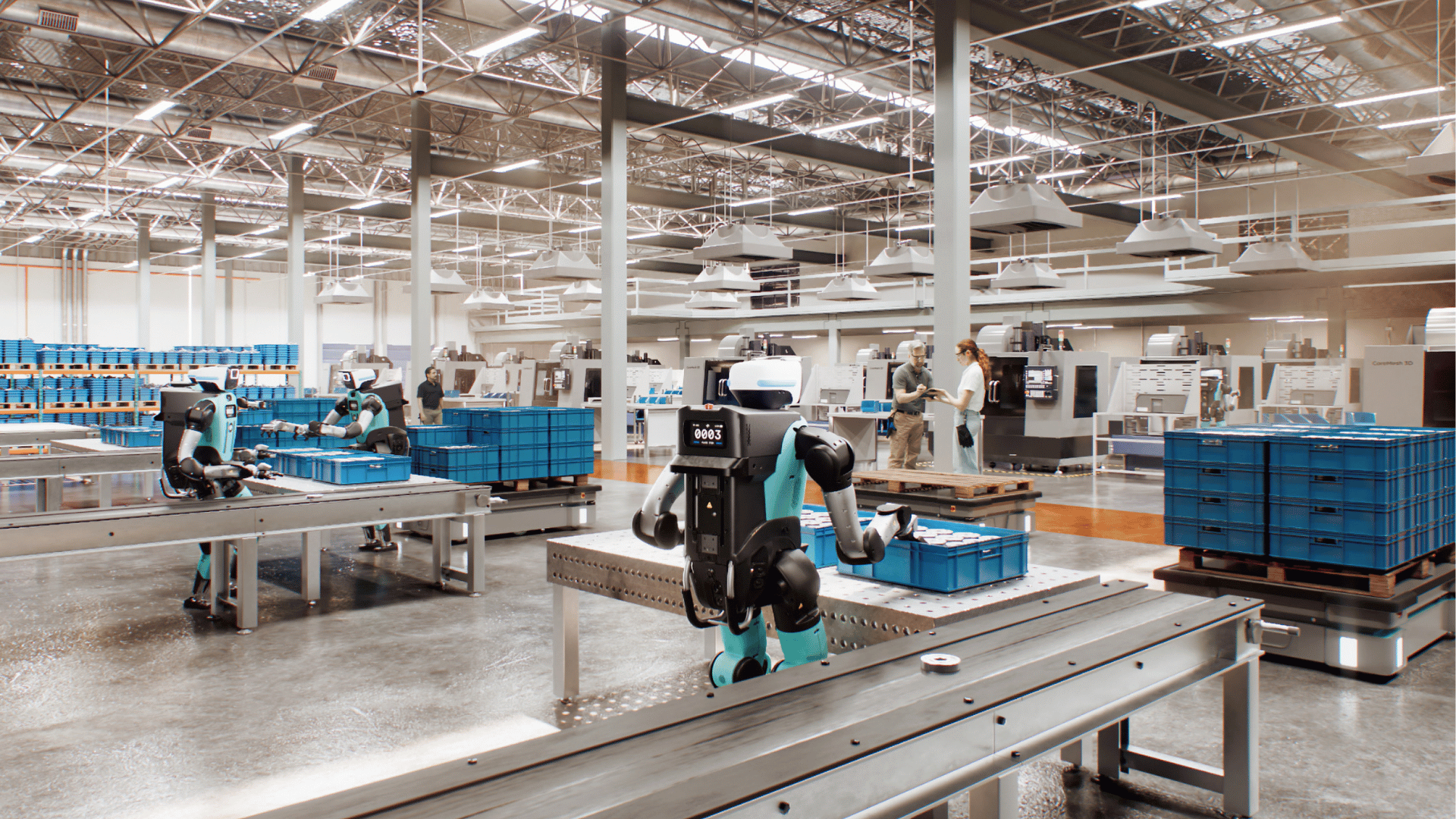
Have you ever looked closely at the center of a sunflower? The seeds form perfect, swirling spirals. This isn’t random decoration. It is a mathematical blueprint called the Fibonacci sequence. In this number pattern, each number is the sum of the two before it.
Nature uses these math rules for a simple reason: efficiency. A sunflower packs its seeds in this exact spiral so it can fit as many as possible into a small space without crowding them out. Today, human engineers and architects are copying these exact shapes to build a more efficient world.
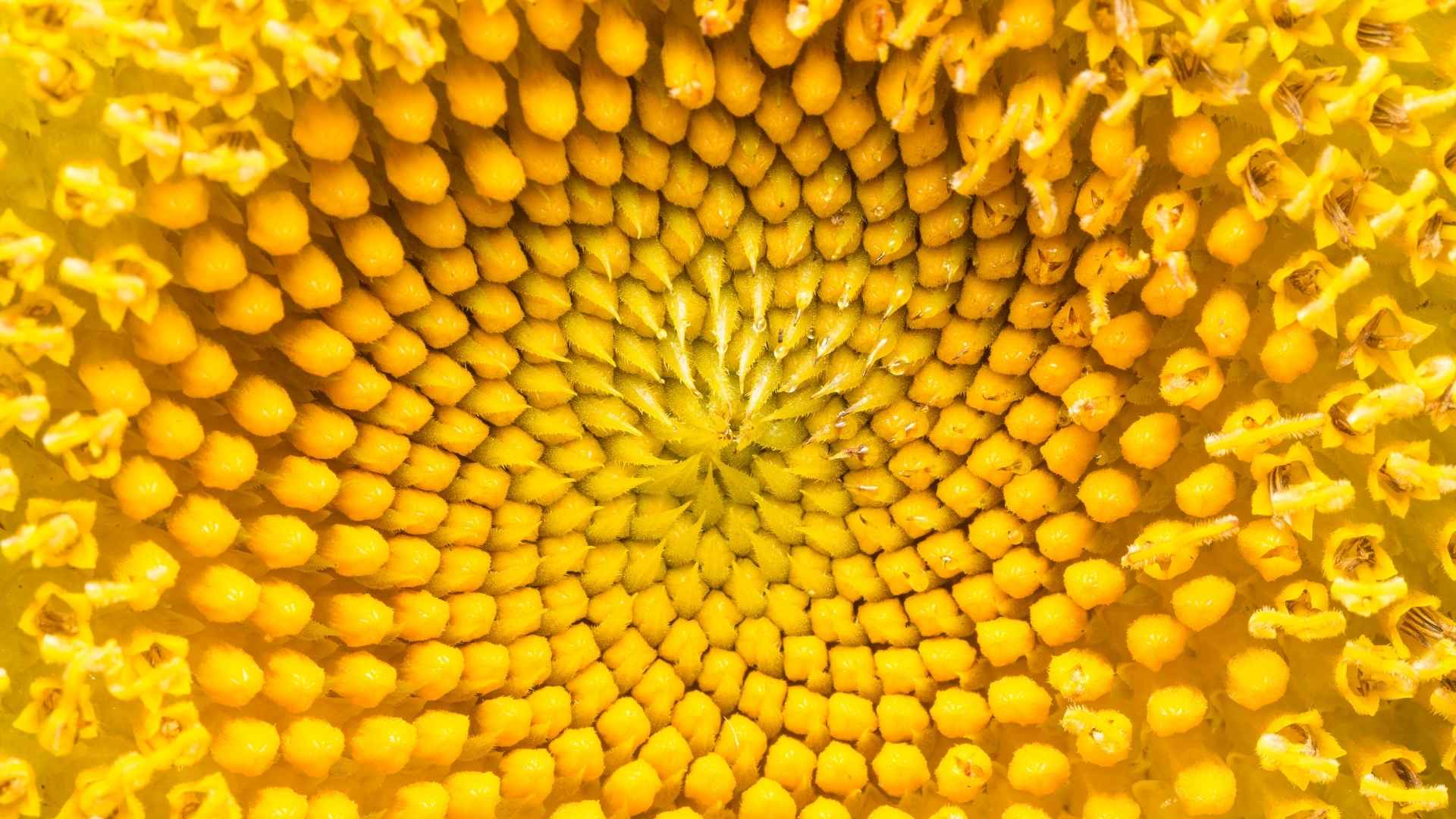
The Secret of the Sunflower
Copying nature’s designs is a field called biomimicry. Right now, green energy companies are using the sunflower’s spiral structure to build more efficient solar power plants.
Traditional solar farms arrange their mirrors in straight rows, but this can cause the panels to block each other’s sunlight as the sun moves across the sky. To fix this, researchers at MIT studied the math of the sunflower. They found that arranging solar mirrors in the same spiral pattern as sunflower seeds uses up to 15% less land. It also lets the panels catch much more sunlight throughout the day. It turns out that nature figured out the best way to harvest solar energy millions of years ago.
Trees as Structural Engineers
Advertisement
It is not just about spirals, though. Think about the way trees grow. A tree trunk starts wide at the base and gets thinner as it rises. Branching patterns follow a mathematical concept called fractals, in which a small shape repeats at different scales.
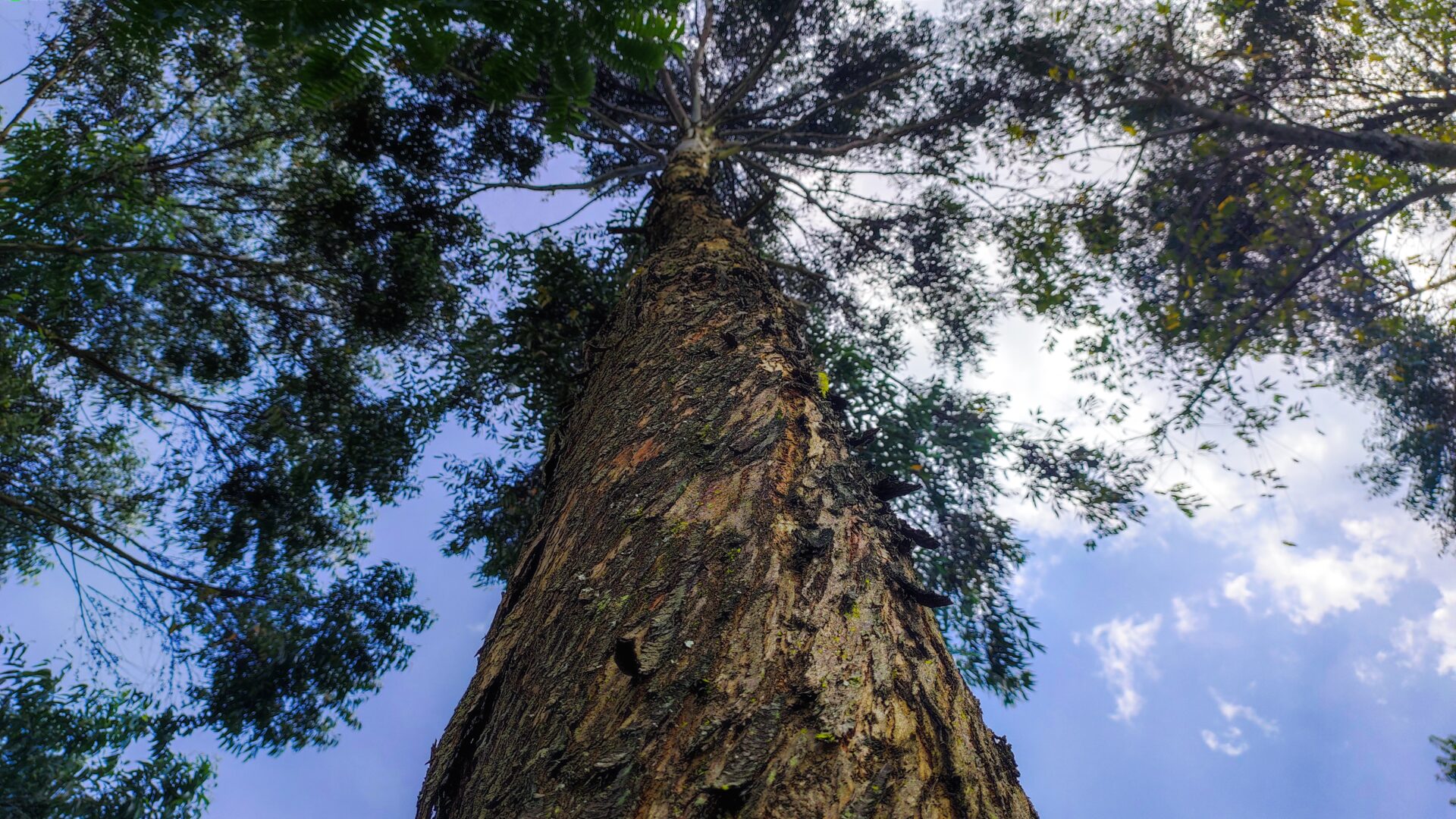
Architects in Tokyo used this exact fractal pattern to design the Tod’s Omotesando building. The building’s exterior looks like a network of interlocking tree branches. But those concrete branches are not just for looks. They actually support the entire weight of the building. Because the structure mimics the natural strength of a tree, it can withstand heavy earthquakes without requiring massive, solid walls. This leaves the interior open and well-lit.
A Smarter Way to Create
Nature does not waste energy, space, or materials. It has spent billions of years prototyping the most durable shapes. When we use these same geometric patterns in our own designs, we create stronger, lighter, and better-for-the-planet products.
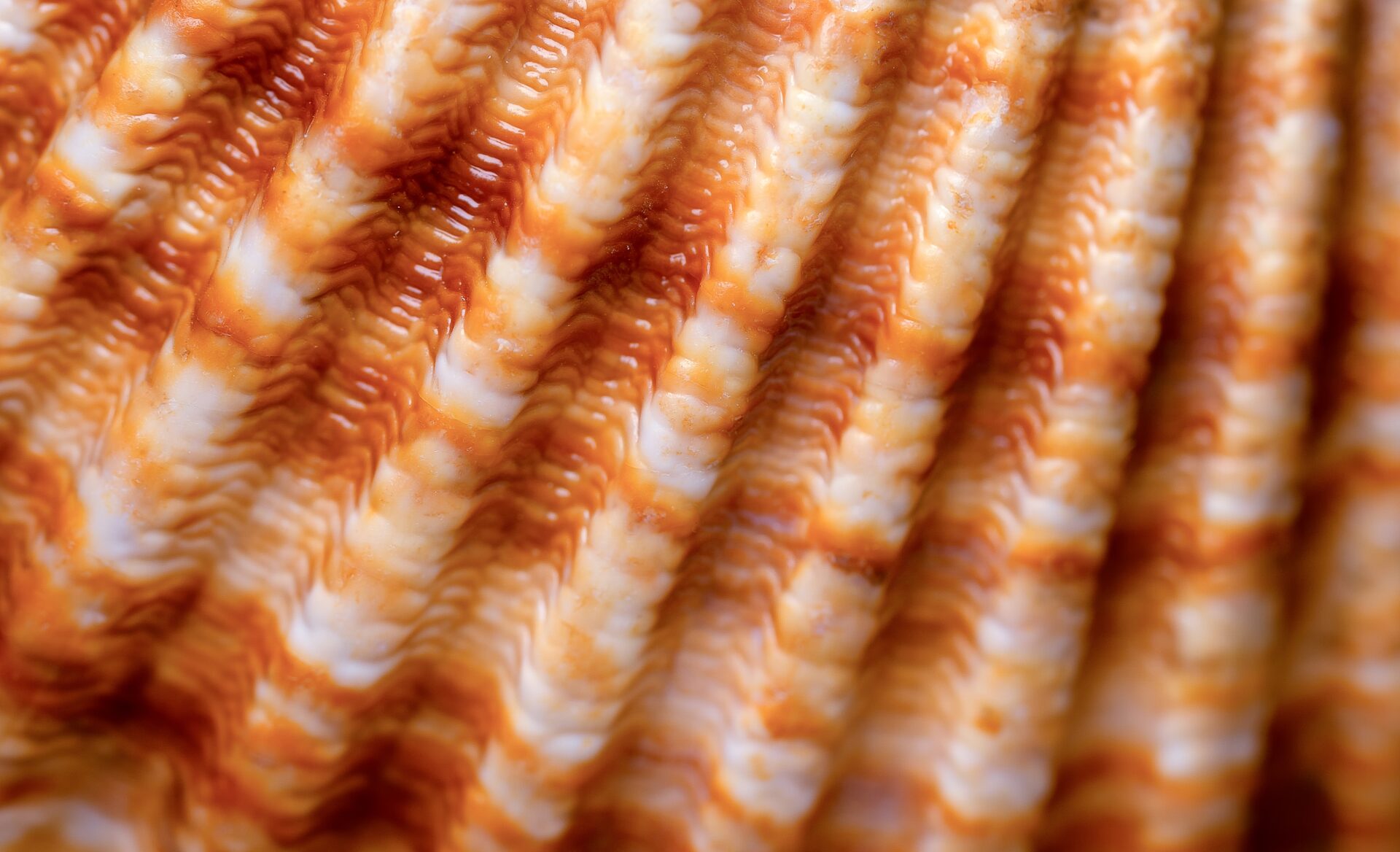
Looking at a leaf or a shell is no longer just an artistic hobby. For modern innovators, it is a masterclass in engineering. By paying closer attention to the geometry of growth around us, we can build a cleaner, smarter future using the best blueprints already available.
 Read Exclusive Stories
 Bookmark & Save Articles For Later