Before synthetic dyes existed, people used natural dyes to color their clothes. They picked leaves from fields, crushed rocks into powder, and collected tiny insects. Chemical dyes dominate the fashion industry. But these artificial options often pollute clean water supplies.
Now, textile makers are returning to natural dyeing methods. Modern technology helps scientists refine these ancient ingredients to create safer, sustainable fashion.
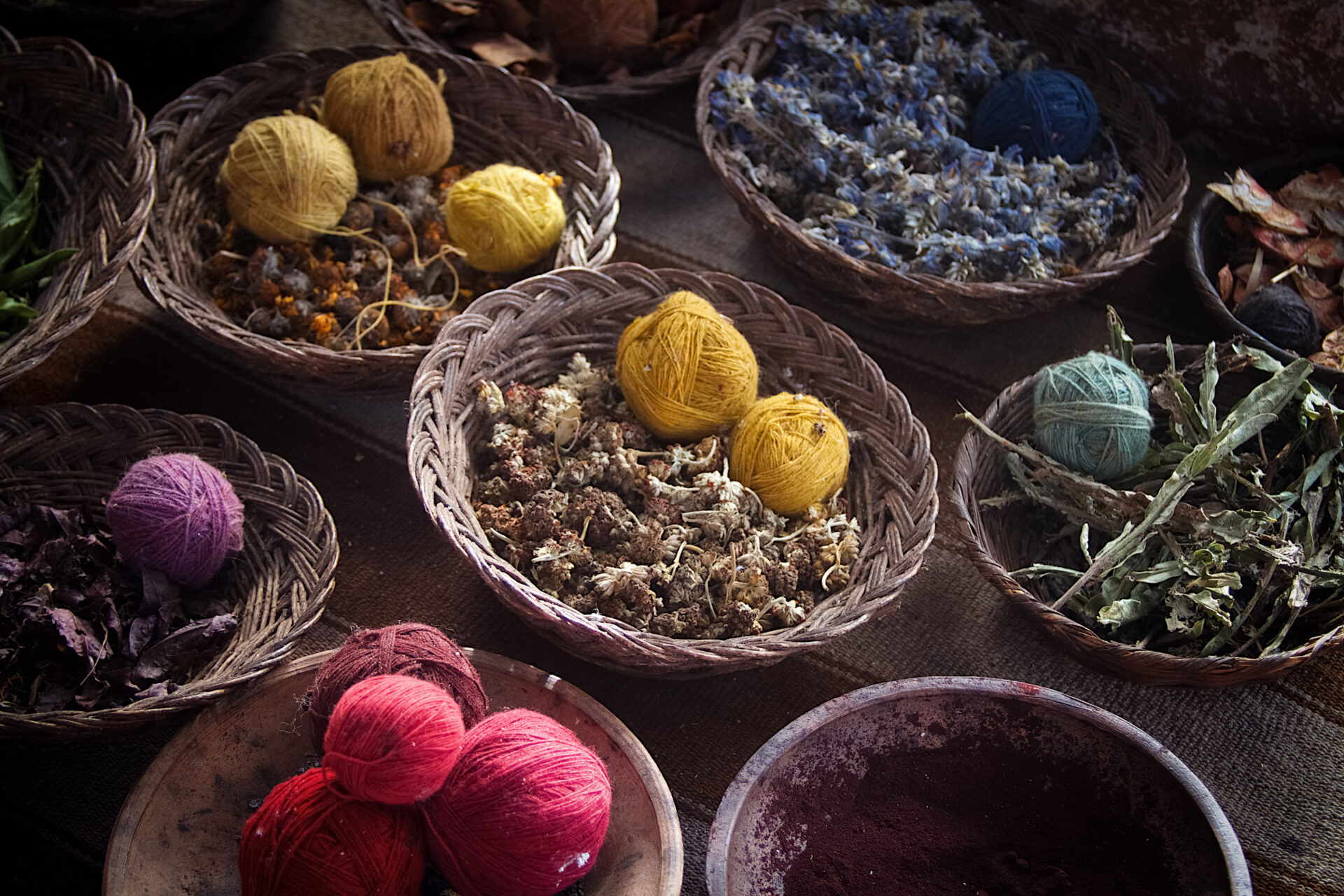
Colors from Plants
Plants offer a wide range of colors for natural dyeing.
Indigo leaves produce deep blue shades. Farmers harvest the leaves, soak them in water, and ferment the mixture. The yellow liquid turns bright blue when exposed to fresh air.
Roots supply bright reds and yellows. Madder root creates rich reds, while turmeric roots yield intense yellows. Onion skins and avocado pits also make soft pinks and tans.
However, plant dyes have clear limits. Sunlight causes some plant shades to fade quickly. Water also washes the color away if dyers do not properly set the fabric.
Shading with Minerals and Rocks
Rocks and earth minerals provide earthy, durable tones. People ground iron, ochre, and slate into fine powder for thousands of years.

Ochre provides rich shades of yellow, brown, and red. Clay mixed with iron rust creates dark gray and black tones.
Minerals act as strong pigments. They also serve as natural fixatives, known as mordants. A mordant binds the dye directly to cotton or wool fibers. Without a mordant, natural dyes wash out during the first laundry cycle.
Advertisement
Dyers often soak fabric in mineral salts like alum before adding plant dyes. This step ensures the color stays bright after multiple washes.
Bright Reds from Insects
Insects create some of the brightest natural colors. Cochineal bugs produce a vivid red dye called carmine.
These tiny insects live on prickly pear cacti in Mexico and South America. Workers harvest the insects, dry them in the sun, and crush them into powder.
It takes about 70,000 cochineal insects to make one pound of red dye. Artists and royal families valued this scarlet red for centuries. Food brands and cosmetics companies still use cochineal dye. Food labels often call it carmine or cochineal extract.
Modern Tech Meets Natural Colors
Textile factories use advanced tech to scale up natural dyeing.
Extracting natural pigments used to require massive amounts of land and water. Now, scientists use biotech to produce plant pigments inside labs. They use microorganisms such as yeast and bacteria to produce color molecules through fermentation.
This process reduces water waste. It also removes toxic chemicals from wastewater, keeping local rivers clean.
Old methods, paired with new production tools, offer cleaner ways to color our clothes. Modern science proves we can build a sustainable future by learning from nature.
Check out how this user dyed their shirt using nightshade berries!
 Read Exclusive Stories
 Bookmark & Save Articles For Later