Marble Starts as Hard Stone
Marble looks hard. It feels cold, heavy, and almost impossible to change. Yet skilled stone carvers can make it look like skin, fabric, hair, or even flowing water.
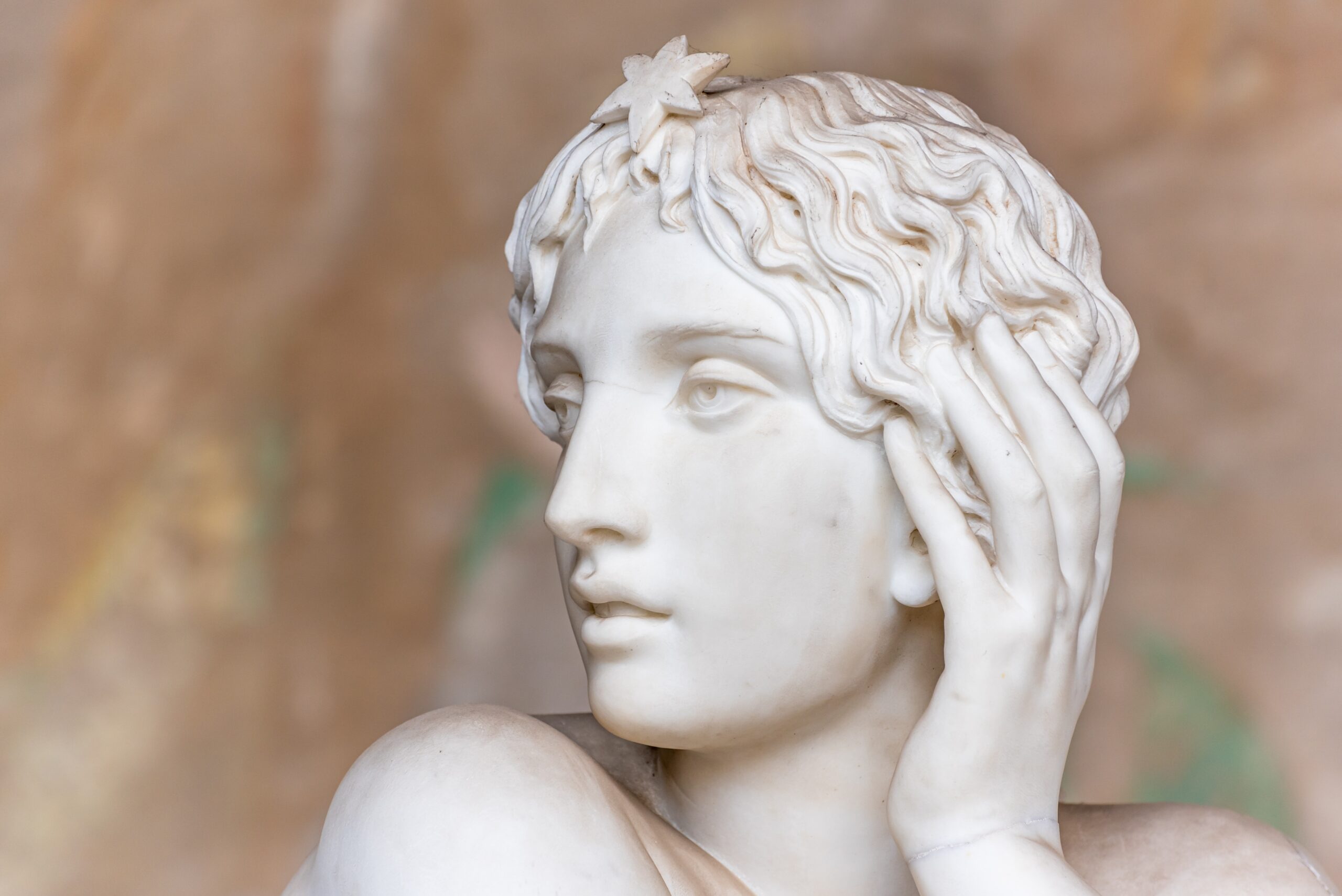
So how do they make solid stone look so soft? It starts with understanding the material.
Marble forms when limestone changes under heat and pressure deep inside the Earth. During this process, its calcite crystals recrystallize and lock together. This gives marble its smooth texture and makes it useful for detailed sculpture.
Carvers Remove Instead of Add
Marble does not simply become soft because of its chemistry. The real trick comes from how the artist removes it.
A carver does not add material to a block of marble. They can only take it away. That makes every cut important.
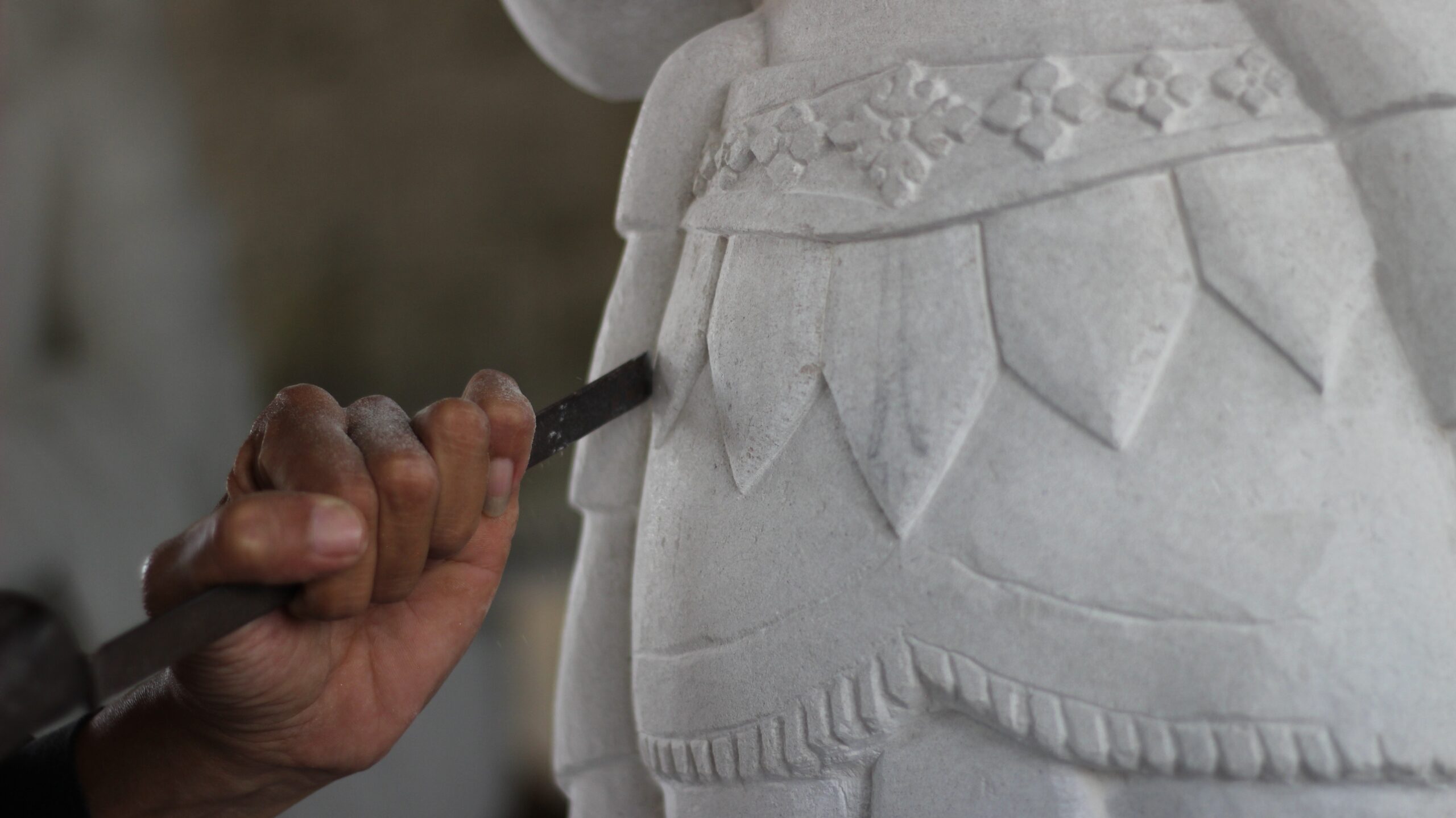
Traditional marble carving uses several tools. A point chisel helps remove large amounts of stone. A tooth, or claw, chisel helps shape the surface. A flat chisel can then smooth and refine the forms. Carvers also use abrasives such as pumice and emery to create smoother surfaces.
The Carving Process Takes Time
The order matters. A sculptor first removes the extra marble around the basic shape. Then they gradually work closer to the final form. As the details become smaller, the tools and movements become more controlled. This careful process helps explain why marble can look surprisingly lifelike.
Shape Creates the Illusion of Softness
Advertisement
Think about a fold in a marble robe. The sculptor does not carve “soft fabric” into the stone. Instead, they create shallow valleys, raised areas, edges, and shadows. Your eyes then interpret those shapes as cloth.
The same idea works for skin.
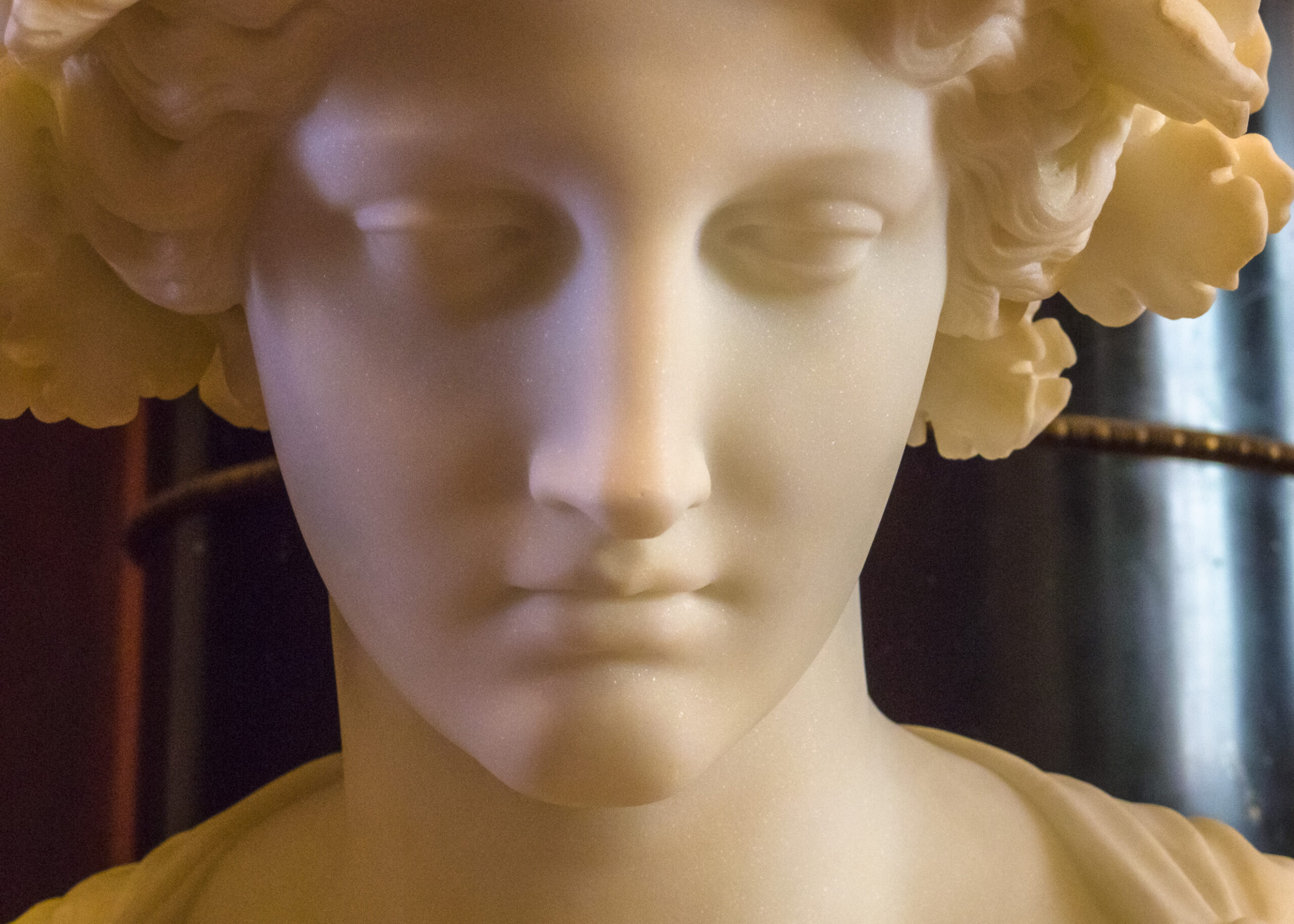
A polished marble surface can reflect light smoothly. Carefully carved transitions between light and shadow can make a cheek, shoulder, or hand appear much softer than the stone actually is.
Michelangelo’s Marble Figures
Michelangelo’s David offers one famous example. The Galleria dell’Accademia in Florence records that Michelangelo carved the 17-foot-tall sculpture from white marble between 1501 and 1504. He also worked with a block that earlier sculptors had begun but abandoned.
Michelangelo’s unfinished sculptures offer another fascinating clue. His San Matteo and the famous Prisoners still show areas where the rough marble remains. These works show how a figure can gradually emerge from a block.
Marble Only Looks Soft
And there is something else to remember, marble only looks soft. The stone itself stays stone.
That is what makes marble carving so impressive. The artist cannot change the material into something flexible. Instead, they use shape, texture, light, and shadow to convince our eyes that hard rock has become something gentle.
A block of marble may weigh thousands of pounds. But in the hands of a skilled carver, it can appear to breathe.
 Read Exclusive Stories
 Bookmark & Save Articles For Later