You probably own a pint glass. Most people keep a few in their kitchen cabinets. They are heavy, simple, and hold your drinks without fuss. But do you know where they actually came from?
For centuries, people drank beer from ceramic mugs, pewter vessels, wooden cups, and leather tankards. Glass drinking vessels existed, too, but producing glass was expensive and time-consuming. As glass manufacturing became more efficient and affordable, sturdy glassware became increasingly common in pubs and bars.
Humble Pint Glass Became a Barroom Icon
Eventually, the pint glass became a staple of bar culture. In the United States, the simple shaker pint became especially popular because it was inexpensive, durable, easy to stack, and practical for serving a wide variety of drinks, including beer.
So, how much liquid does a pint glass actually hold? The answer depends entirely on your geography.
In the United States, a standard pint glass holds 16 US fluid ounces, or about 473 milliliters. Cross the Atlantic to a British pub, and you’ll get an imperial pint. That holds 20 imperial fluid ounces, or roughly 568 milliliters. That’s a pretty noticeable difference when you’re ordering a refill or two.

From the Pub to the Kitchen
And pint glasses aren’t just for noisy bars or dark pubs. They populate kitchen cupboards across the world for a reason. Their sturdy shape makes them useful everyday glasses. You can grab one for iced tea, morning juice, or water at the dinner table. Bakers can even use them as makeshift pastry or cookie cutters.
Because pint glasses are so common, manufacturers have continued to experiment with their designs. Some modern versions use tempered glass for added resistance to breaking. Others are made from insulated, double-walled stainless steel, keeping cold drinks cold while reducing condensation on your table.
Advertisement
Beer glasses have even gotten a little more technical. Some feature internal nucleation points—tiny etched spots on the bottom of the glass designed to release a steady stream of bubbles. The result is a glass that can help maintain a beer’s carbonation and enhance its appearance.
More Than Meets the (Artistic) Eye
Artists see the pint glass differently, too. To them, it isn’t just something you drink from. It’s a blank canvas, a building block, or a piece of a larger sculpture.
Some artists paint intricate designs directly onto glasses. Others incorporate them into mixed-media sculptures. Because pint glasses are relatively inexpensive and uniform in shape, artists and creators can use large numbers of them to build impressive mosaics and installations.
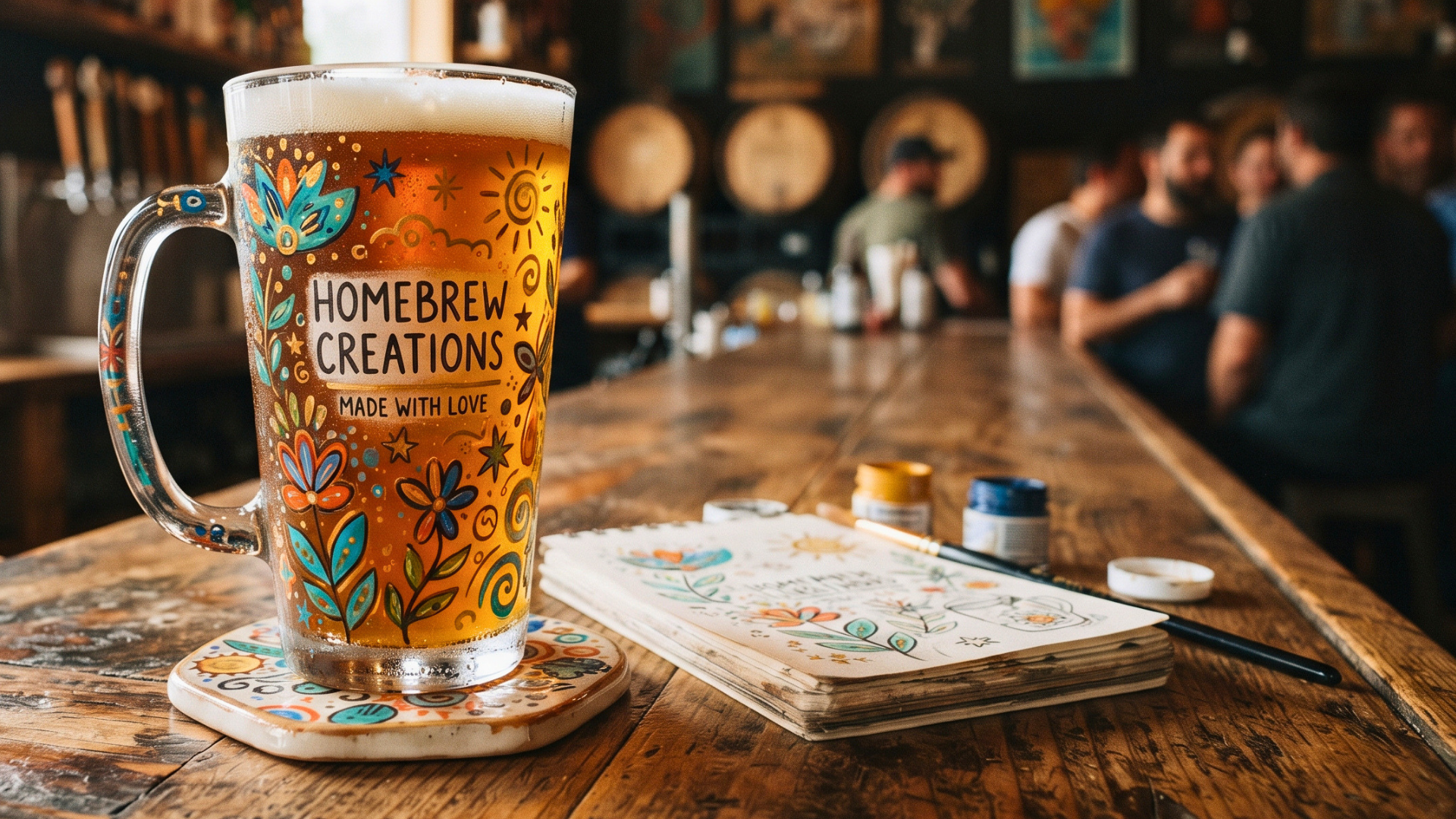
Crafters have also found plenty of ways to repurpose them. Pint glasses can become terrariums, candle holders, or desk organizers for paintbrushes and other supplies. With the right tools and techniques, they can also be decorated with etched or engraved designs.
So, that simple glass sitting in your cabinet can be more than just a place to pour your beer. It can be a piece of history, a bit of engineering, or even a blank slate for creativity.
The humble pint glass started as practical barware. Today, centuries of glassmaking and modern engineering have turned it into one of the most recognizable—and versatile—drinking vessels around.
 Read Exclusive Stories
 Bookmark & Save Articles For Later