Most painters grab a tube of acrylic or oil paint, squeeze it onto a wooden palette, and get to work. But imagine swapping traditional liquid paint for hot, melted beeswax.
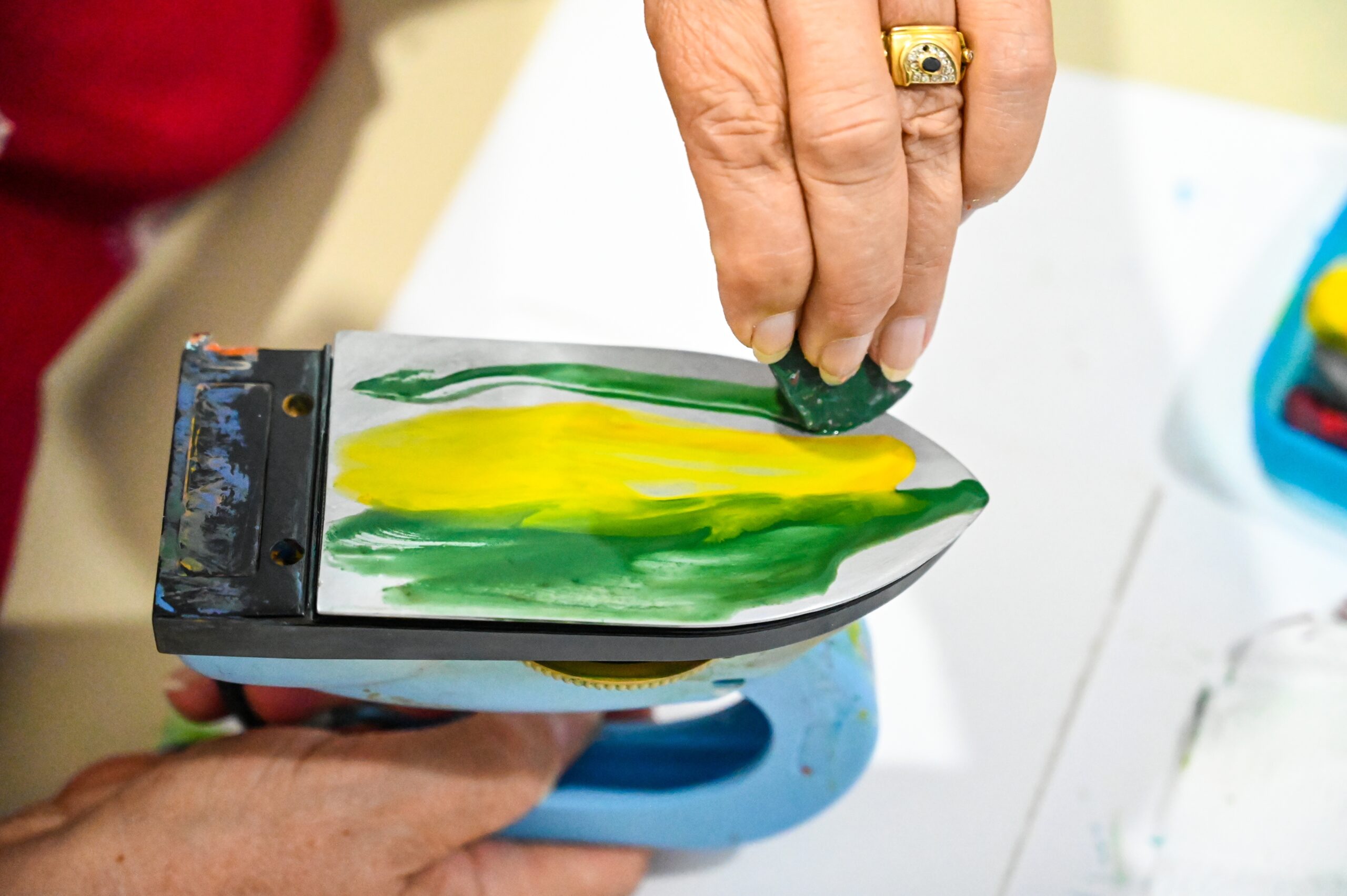
That is the core of encaustic painting. It is an ancient method of creating in which artists mix dry color pigments into molten wax, brush the warm mixture onto wood, and fuse it with heat.
The word encaustic comes from an old Greek term meaning “to burn in.” Greek shipbuilders originally created this technique around 2,000 years ago. They used beeswax and pitch to seal the seams of ships against ocean water. Soon, artisans realized they could add color pigments to the hot wax and decorate the wooden hulls.
A Recipe Powered by Nature
To create encaustic paint, artists melt pure beeswax and blend in damar resin. Damar comes from the sap of Malaysian trees. It hardens the soft wax, raises its melting point, and gives the finished surface a crystal-clear shine.
Once the base wax has melted, artists add raw color pigments such as cobalt, ochre, or burnt sienna.
Working with hot wax creates unique physical challenges. Oil paint stays wet for hours, giving artists plenty of time to blend colors. Wax paint hardens in seconds as it cools. Artists must apply each brushstroke quickly before the wax sets up.
Advertisement
The Power of Fusing
Because wax cools so fast, new layers do not naturally stick to old ones. Artists must use heat to bond everything together.
After brushing on a fresh layer of wax, the artist sweeps a heat gun, blowtorch, or warm iron over the surface. The top layer melts slightly, fusing permanently into the wax underneath.
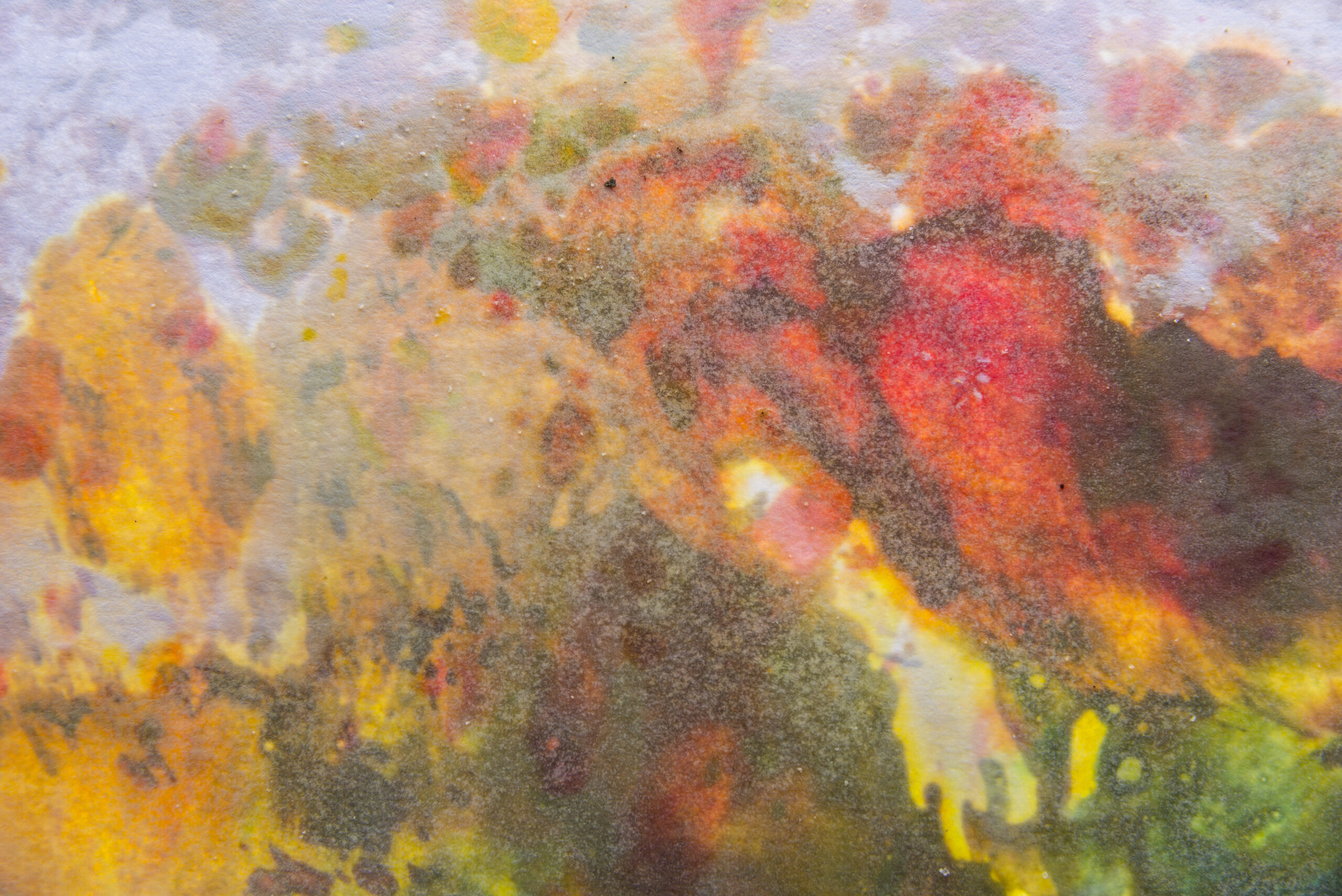
This heating step lets makers build up rich, semi-transparent layers. Artists can scrape away sections, carve fine textures into the surface, or embed paper and objects directly inside the warm wax. When light hits an encaustic panel, it penetrates multiple clear layers, making the colors glow from within.
Built to Last for Centuries
You might assume wax art would decay or melt easily, but history proves otherwise.
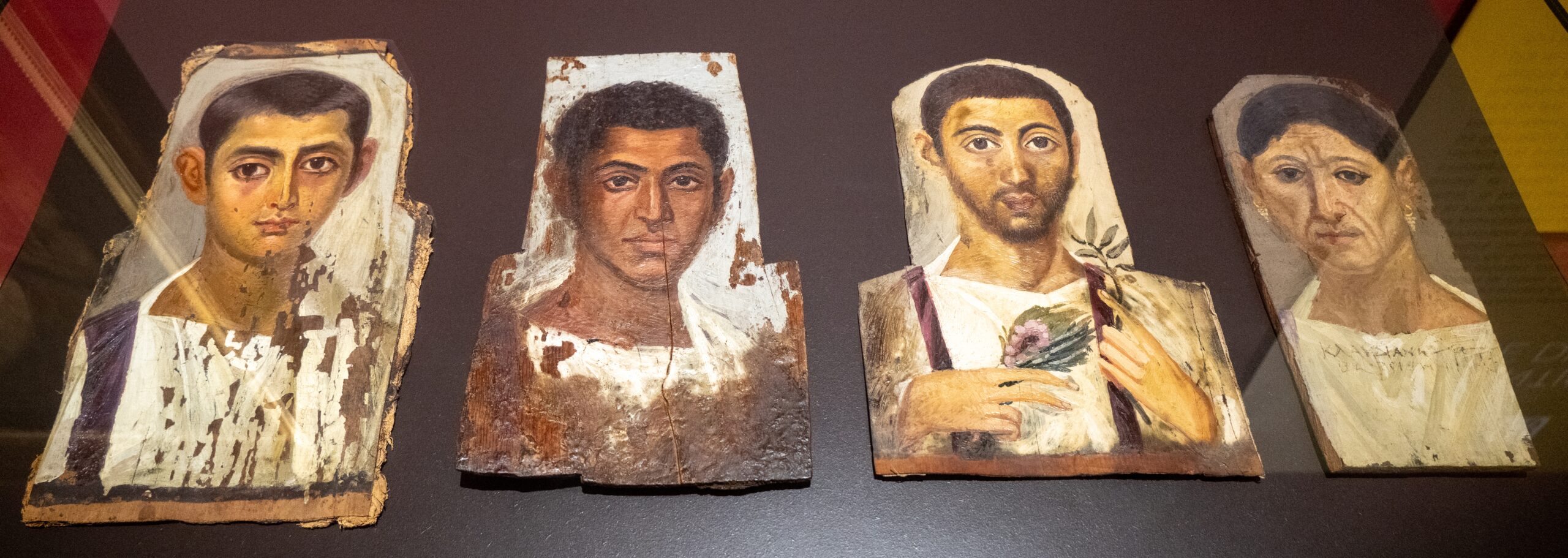
Egyptian artists used encaustic paint to create the famous Fayum mummy portraits over two thousand years ago. Many of those wooden-panel portraits still look bright and vivid in museum displays today. Beeswax naturally resists moisture and yellowing, making it one of the most durable paint binders on Earth.
Today, modern creators use hot palettes and electric heat guns alongside ancient beeswax recipes. Encaustic painting shows how combining simple natural materials with heat can turn liquid wax into stunning, long-lasting art.
 Read Exclusive Stories
 Bookmark & Save Articles For Later