Most artists work on canvas, paper, stone, or metal. But some choose something much less permanent. Around the world, artists are creating enormous works of art on beaches, deserts, frozen lakes, and open landscapes. Using rakes, footprints, sticks, ropes, or specially designed tools, they create patterns so large they can only be fully appreciated from above. Some stretch across acres of land. Others are visible from airplanes, drones, or satellite images. And yet many of these creations last only a few hours.
Creating on Nature’s Canvas
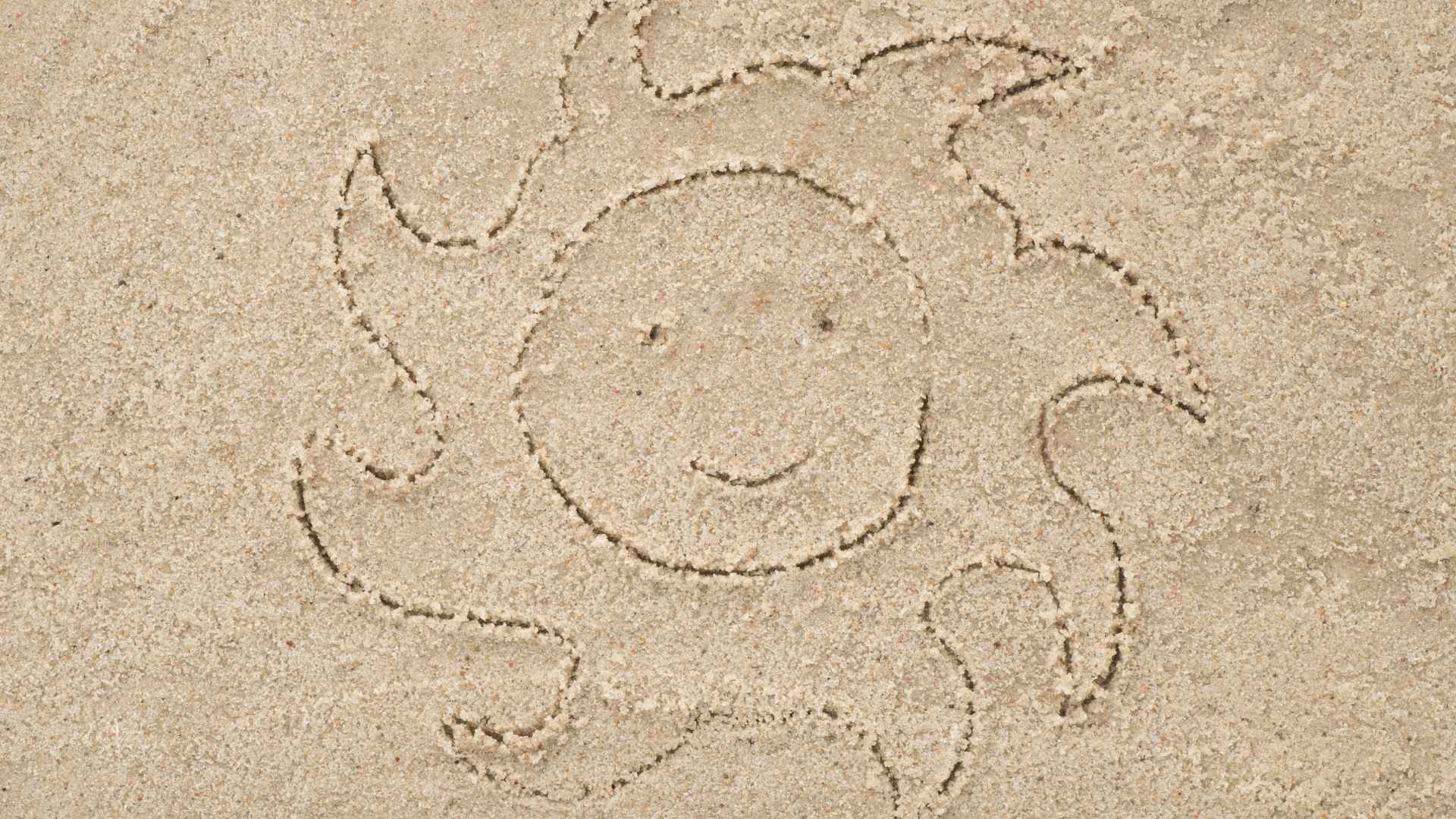
One of the most well-known examples comes from beach artists who use rakes to draw intricate geometric patterns in the sand. Working against the clock, they create designs that can span hundreds of feet before the tide slowly washes everything away. Other artists work in deserts, carving massive shapes into the landscape. Some use frozen lakes during winter, creating temporary designs across snow-covered surfaces. The tools are often surprisingly simple. A rake. A stick. A rope used to guide a pattern. A pair of footsteps carefully placed across a beach.
But simplicity doesn’t make the work easy. Creating artwork on such a large scale requires planning, patience, and an understanding of the environment. Artists must account for changing weather, shifting sand, rising water, and natural obstacles. In many cases, they only get one chance to complete the design before nature begins to erase it.
One of the most recognized artists working in this style is Andres Amador, a California-based artist who studied environmental science before turning his attention to large-scale sand art. Inspired by the natural patterns he observed along coastlines, Amador began creating enormous geometric designs on beaches using simple tools such as rakes and ropes. His creations, which he calls “Earthscapes,” can stretch across tens of thousands of square feet and are often best viewed from the air. What makes his work especially unique is its temporary nature. The same tides that shape the shoreline eventually erase every design, making nature an active part of the creative process. Through his artwork, Amador demonstrates how imagination, careful planning, and a connection to the natural world can transform an ordinary beach into a temporary masterpiece.
The Beauty of Something Temporary
Advertisement
In a world where people often focus on preserving everything, temporary art offers a different perspective. These artists know their work won’t last. The wind will blow. The tide will rise. Snow will melt. Rain will fall. The artwork is created with the understanding that it will eventually disappear. And that’s part of what makes it meaningful.
Rather than fighting nature, these artists work alongside it. The landscape becomes both the canvas and, eventually, the collaborator that transforms the piece once it’s finished. Every artwork exists for a brief moment before becoming part of the environment again.
A Different Way to Think About Creation
Temporary land art reminds us that creativity isn’t always about permanence. Sometimes, the value of creating something comes from the act itself. The process matters just as much as the finished result. That’s a powerful idea in a world that often measures success by what lasts the longest.
These artists spend hours creating designs that may only be seen by a handful of people before they disappear. Yet they continue to return to beaches, deserts, and frozen landscapes to create again. Perhaps that’s because art has never been only about the final product. It’s about observation. Imagination. Curiosity. The desire to leave a mark, even if only for a short time.
The next time you see a footprint in the sand or a pattern left behind by the wind, consider this: nature is constantly creating and erasing its own designs. These artists simply join the process for a little while. And for a brief moment, the landscape becomes a gallery beneath the open sky.
 Read Exclusive Stories
 Bookmark & Save Articles For Later