Every year when cold weather hits, millions of pumpkins end up on front porches. People carve them, show them off, and then throw them away once the season ends. But inside every pumpkin sits a tiny ingredient with massive potential: the seed.
The Problem with Kitchen Waste
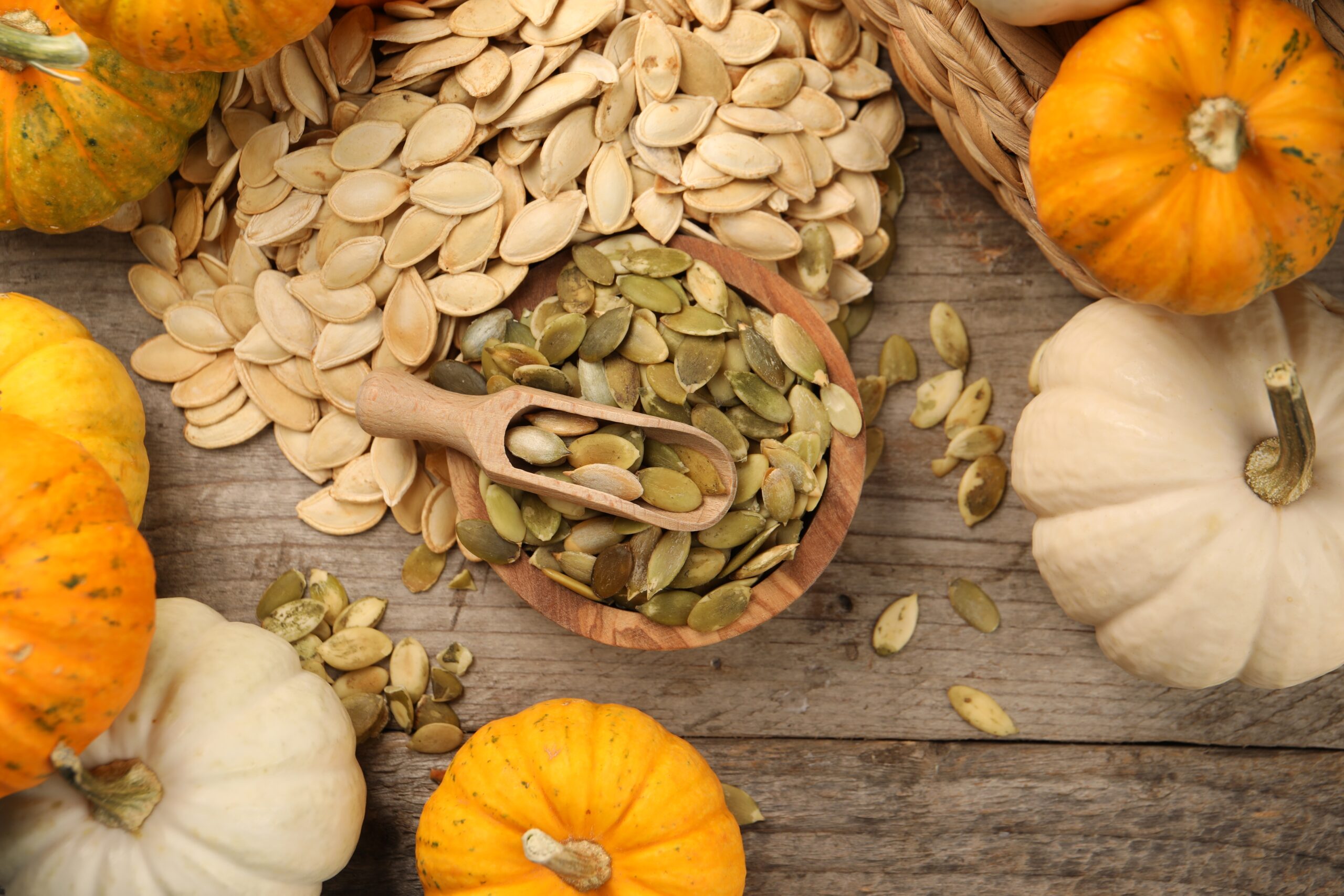
Roasting pumpkin seeds is one of the easiest ways to turn potential food waste into a delicious snack. Most people scoop out the gooey center of a pumpkin and toss the seeds straight into the trash. That is a missed opportunity for your kitchen and the environment.
Food waste is a major issue worldwide. When organic matter rots in landfills, it releases methane gas. Methane traps heat in our atmosphere much faster than carbon dioxide. By cooking parts of the fruit you usually throw out, you keep useful food out of landfills and cut down on waste at home.
How to Roast Them
Making them at home is surprisingly simple. You just need a pumpkin, some oil, salt, and an oven.
First, scoop the seeds out of the pumpkin shell. Rinse them in cold water to clean off the stringy orange pulp. Next, put the seeds in a pot of salted water and simmer them for 10 minutes. This step softens the outer shell so the seeds get extra crispy when they bake.
Advertisement
After boiling, dry the seeds completely with a clean towel. Wet seeds will steam instead of roast, so do not skip this step. Toss the dry seeds with a little bit of olive oil or melted butter. Add salt, pepper, or any spices you like. Spread them in a single layer on a baking sheet.
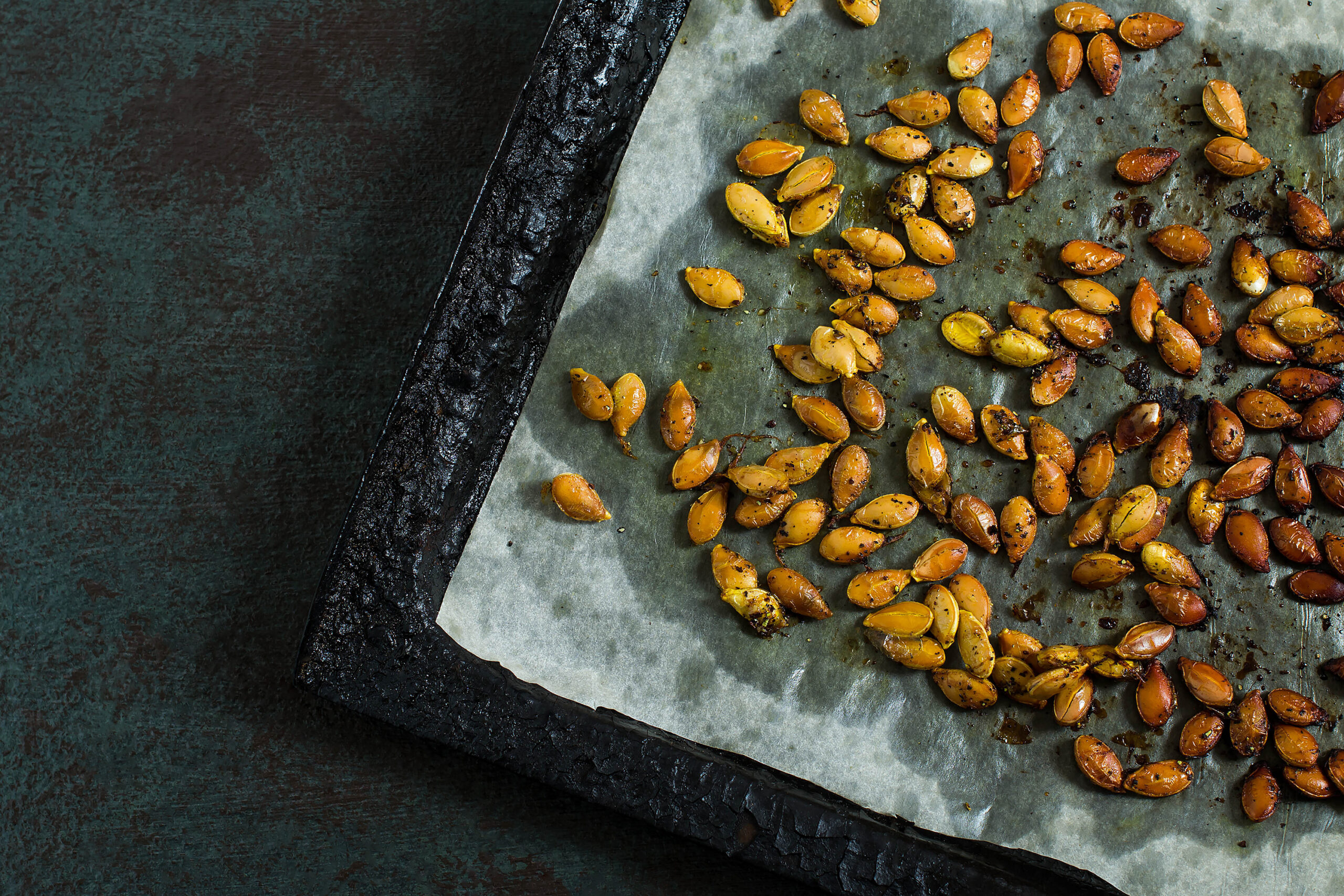
Roast them at 350 degrees Fahrenheit for about twenty minutes. Stir them halfway through so they cook evenly. Once they turn light golden brown, take them out of the oven and let them cool down.
Big Nutrition in Small Packages
These small seeds pack a heavy punch when it comes to nutrition. Pumpkin seeds contain high levels of zinc, magnesium, iron, and healthy fats. They also feature plenty of plant-based protein and fiber. Instead of buying processed snacks wrapped in plastic, you get a whole-food snack right from your kitchen counter.
An Easy Step Toward Sustainability
Sustainability does not always require high-tech gear or massive changes to your daily routine. Sometimes, simple habit shifts make a real difference over time. Finding creative uses for every part of your food helps reduce your footprint while giving you a great autumn treat. Next time you cut open a squash or pumpkin, save the seeds and turn on your oven.
 Read Exclusive Stories
 Bookmark & Save Articles For Later