A new NASA project, with help from BAE Systems, aims to clear the dust in space that blocks our view of the cosmos. Ultimately, the cosmos holds secrets about how the universe was created, and astronomers, scientists, and engineers all want answers.
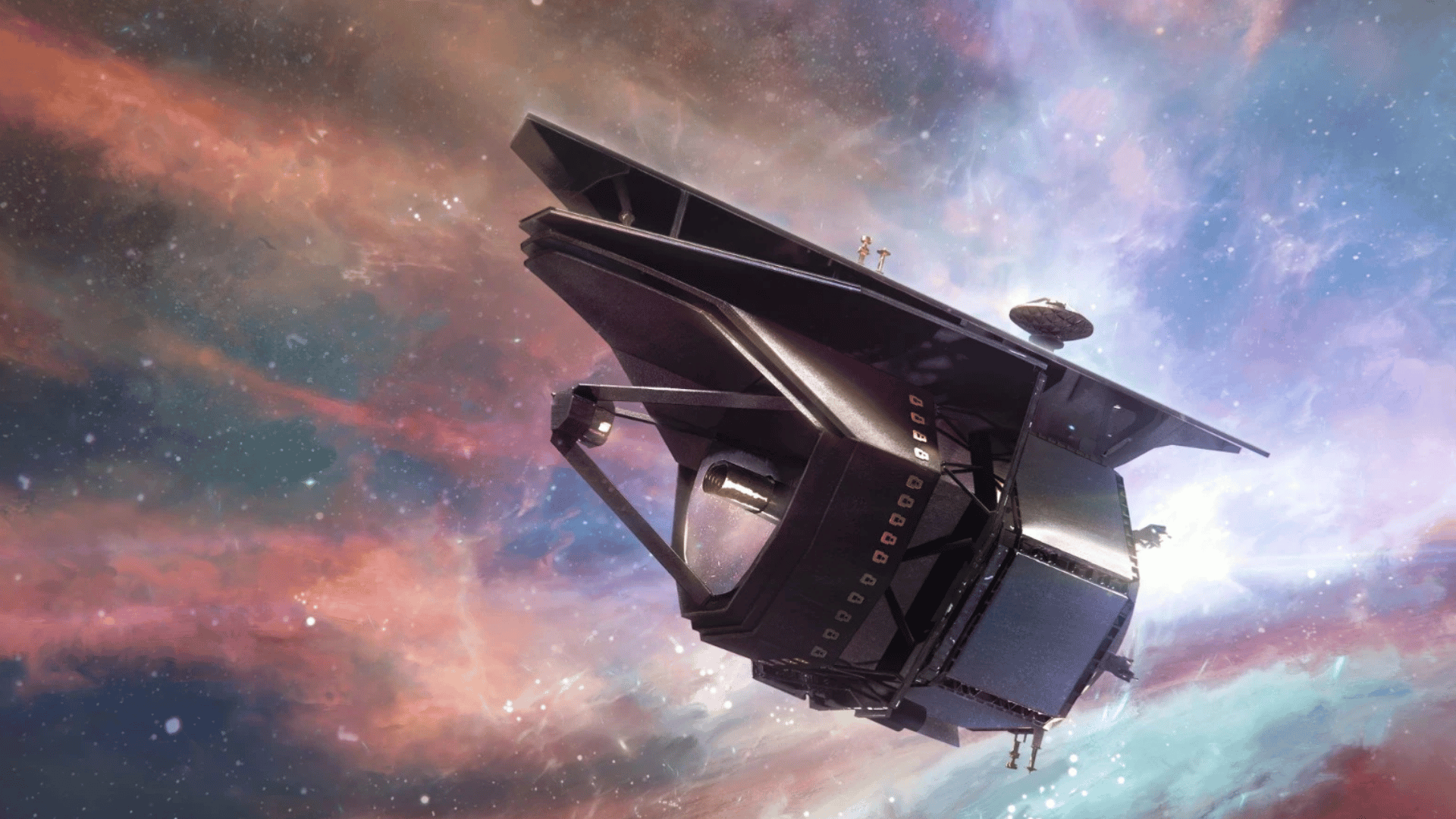
Uncovering the history of the universe is the main goal of the deep space mission. NASA recently selected the PRobe far-Infrared Mission for Astrophysics (PRIMA) team to move to the next stage of development. The team is led by NASA’s Jet Propulsion Laboratory (JPL), and it is part of a new class of “Probe Explorers” missions.
PRIMA will use a sensitive, 1.8-meter far-infrared space telescope in which a special type of light allows the telescope to look straight through thick cosmic dust. By doing this, PRIMA will bridge an observation gap between the James Webb Space Telescope and radio observatories on Earth. Scientists will use it to study how stars, planets, galaxies, and even water formed and changed over time.
Building the Spacecraft
Advertisement
BAE Systems is playing a big role in bringing this hardware to life with its Evolve+ spacecraft bus, which serves as the craft’s main body. The company will also handle assembling the observatory, testing it, and running ground operations for JPL.
“We are excited to continue our decades-long partnership with JPL through the PRIMA mission that will enable NASA to make significant discoveries on the history of the universe,” said Bonnie Patterson, vice president and general manager of civil space for BAE Systems. “The PRIMA mission will also help fill observation gaps with other NASA astrophysics missions, including the James Webb Space Telescope and other observatories, also supported by BAE Systems.”
This project adds to a long list of NASA telescopes BAE Systems has worked on, including Hubble, Chandra, James Webb, and the Nancy Grace Roman Space Telescope. Space industry teams from France, Italy, Canada, South Korea, Japan, and the U.K. are also pitching in.
After a NASA confirmation review, PRIMA will push toward full implementation. If all goes according to plan, the telescope will launch in 2033 for a five-year mission to give us a much clearer look at our universe.
 Read Exclusive Stories
 Bookmark & Save Articles For Later