Duke Energy Florida announced plans to build four new solar energy sites, with the sites expected to be up and running by mid-2028.
Together, these sites will add 300 megawatts of clean energy to the electric grid. Florida is the third-fastest-growing state in the U.S., and electricity demand is climbing with the population. Duke Energy Florida already operates 25 solar sites that contribute 1,850 megawatts to the grid, with each site capable of powering about 15,000 homes.
Saving Money with Solar
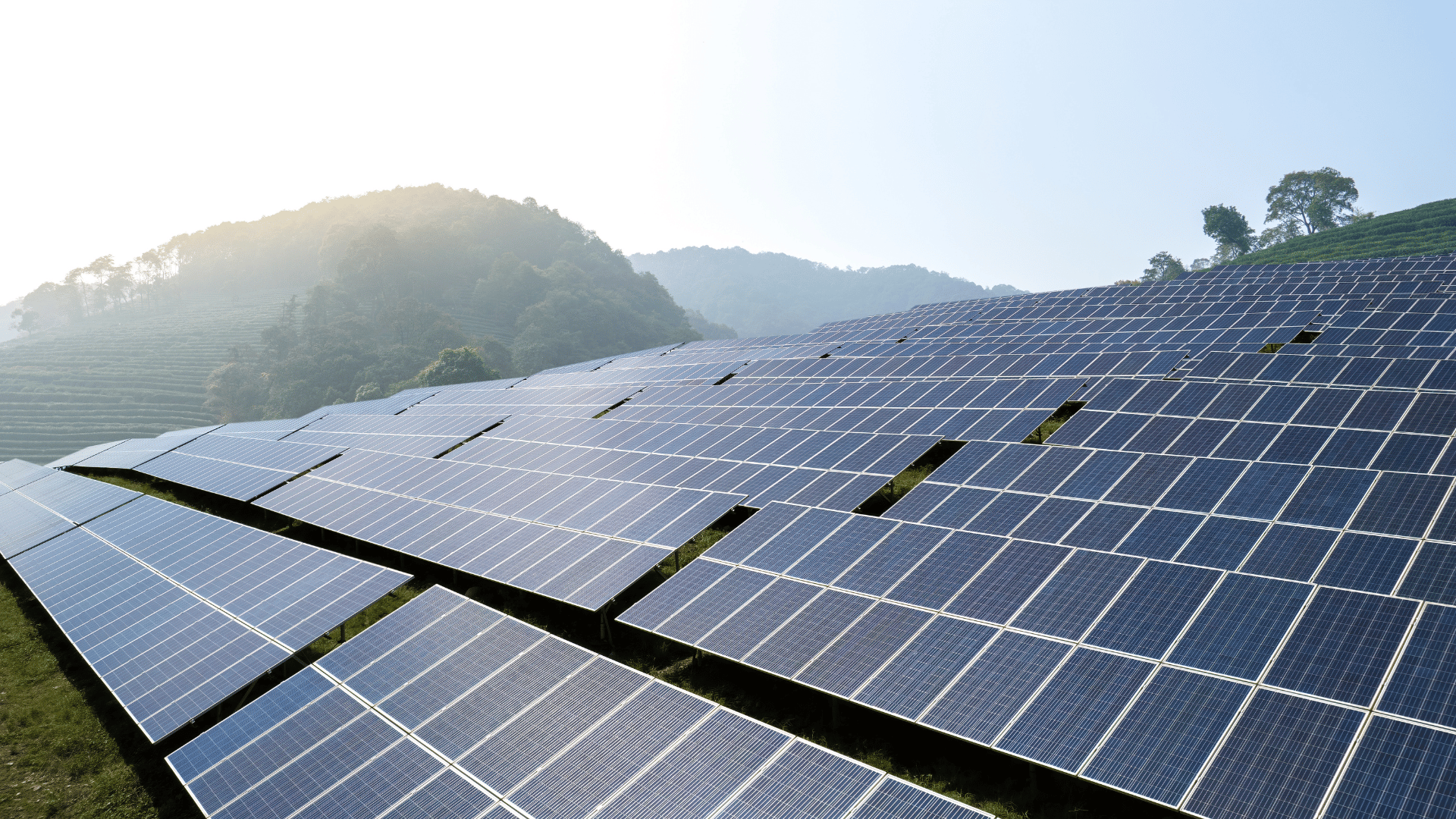
The biggest draw for the state is the long-term cost savings. Because solar panels run on sunlight instead of natural gas or oil, each new site can save customers $250 million in displaced fuel costs over its roughly 30-year lifespan. Across all four projects, that adds up to an estimated $1 billion in customer savings, Duke Energy Florida stated.
Additionally, the Inflation Reduction Act helps keep costs down, too. Duke Energy Florida currently transfers about $75 million in production tax credits to customers every year, which lowers monthly bills by $2.50 for every 1,000 kilowatt-hours of electricity used. The company explained that those savings will grow as more sites come online.
Advertisement
Each site also cuts fossil fuel usage every year, saving about 1.1 million cubic feet of natural gas, 12,000 barrels of fuel oil, and 9,000 tons of coal.
“At Duke Energy Florida, our job is to make smart, disciplined investments today that will benefit our customers tomorrow,” said Melissa Seixas, Duke Energy Florida state president. “These solar energy sites are just one example of how we’re planning for the future and strengthening our system to continue providing safe, reliable power, at the lowest possible price, for years to come.”
Extra Energy Storage
An obvious problem with solar power is clearly the sun eventually sets. Duke Energy Florida addressed this by pairing its solar sites with utility-scale batteries that store extra power when demand is low and release it when people need it most.
Over the next 10 years, the company plans to build over 1 gigawatt of battery storage, which brings even more tax credit savings to customers. They are also speeding up tax credits from their seventh battery site, the Powerline Battery Energy Storage System in Citrus County, to avoid a scheduled base rate hike and help lower bills in 2027.
Construction on the four new sites in Orange and Sumter counties will roll out in phases throughout 2027.
 Read Exclusive Stories
 Bookmark & Save Articles For Later