A holiday village can fit a row of houses and shops on a single shelf. A cottage might have a steep roof and a chimney. A shop gets a wide display window and a sign above the door. Those details tell you what kind of building you’re looking at, even when it’s only a few inches high.
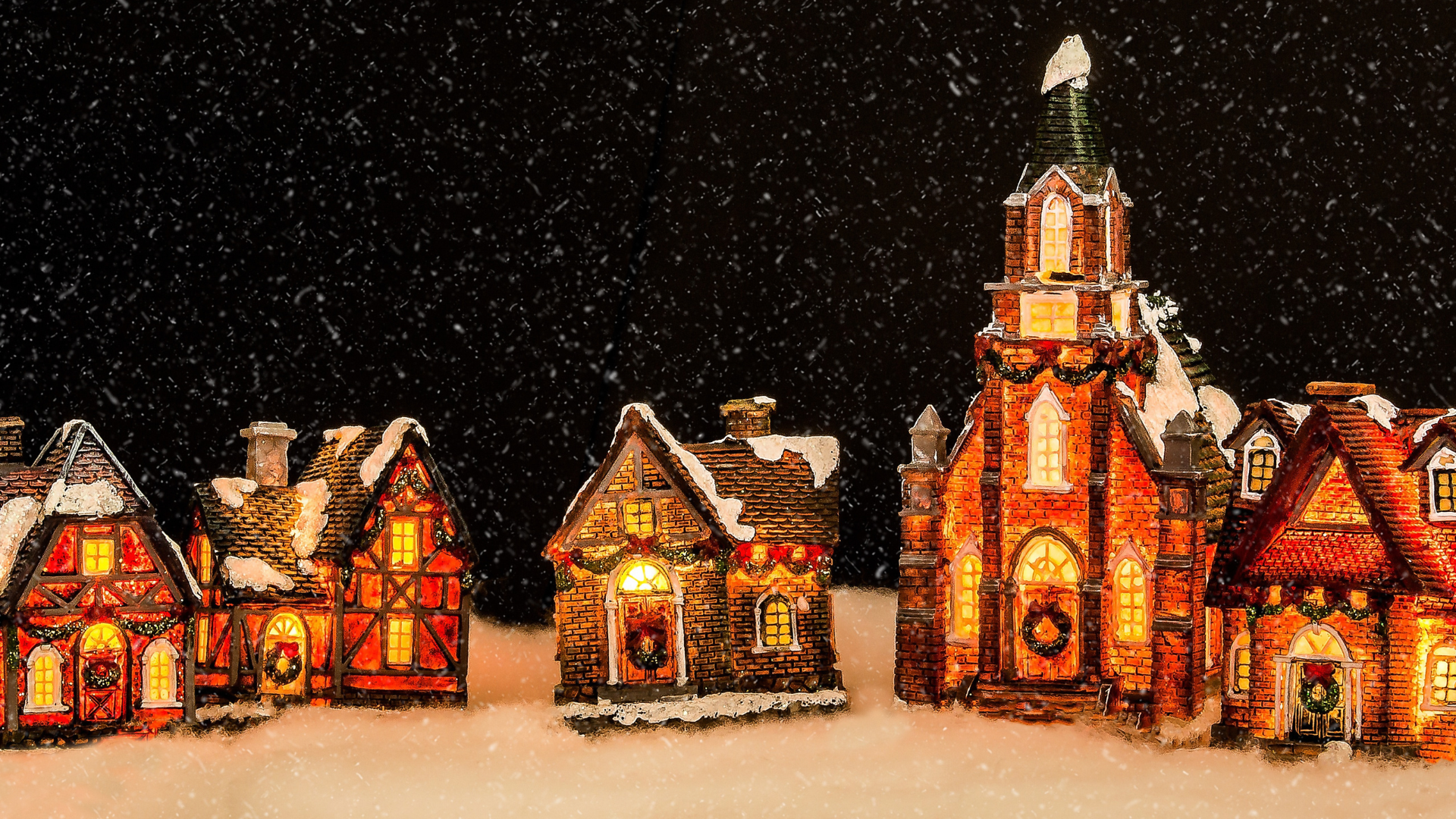
Doors and Windows Set the Scale
Front doors are a good place to compare two buildings. A shop can stand taller than the cottage beside it, but doors of about the same height make both buildings look as if they were meant for people of the same size. Steps and railings give you a few more points of comparison when the pieces come from different sets or makers.
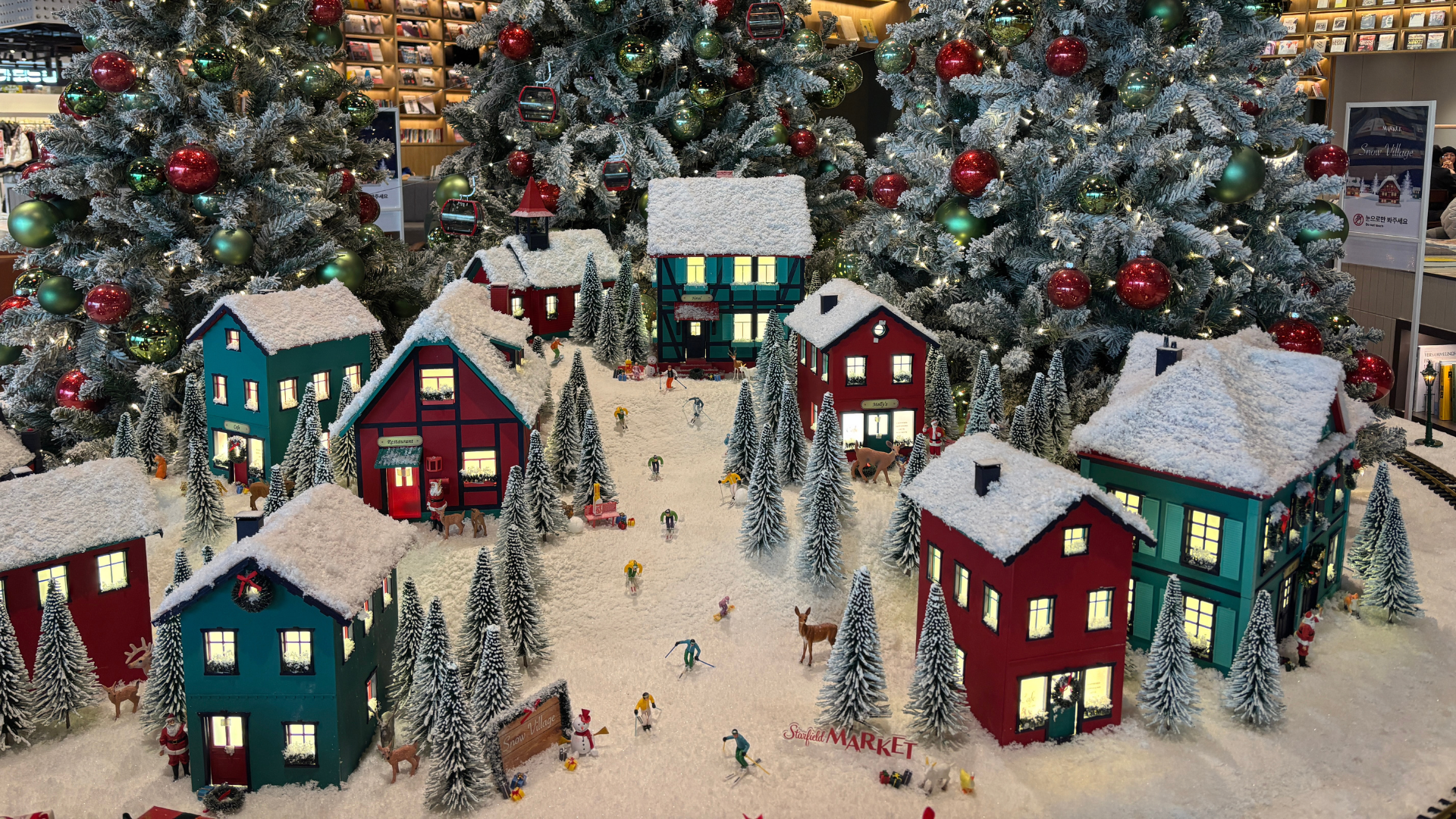
The position of a window can tell you something about the inside. A row of small windows above a storefront suggests a second floor. A dormer, a small structure that projects from a sloping roof, gives the impression that there’s a room up under the eaves.
Materials That Give Buildings Texture
Advertisement
Papercraft designer Lucy Foxworth uses corrugated cardboard for one handmade cabin. The exposed ridges run across the walls like rows of logs. On a shingled roof, strips of thin paper can overlap just enough to cast a small shadow along each row.
Collectible villages offer other examples. Department 56 started its Original Snow Village with ceramic buildings and later used resin in other collections. A molded wall can have shallow grooves between the bricks or a raised border around a window. Paint can pick out the trim, while light falling across the wall makes the edges easier to see.
The Shape of the Street
The space around the buildings helps turn separate pieces into a street. A narrow gap between two shops can suggest an alley. A house that sits a little farther back has room for a front yard. A taller building can sit behind a row of cottages and still have a roofline of its own.
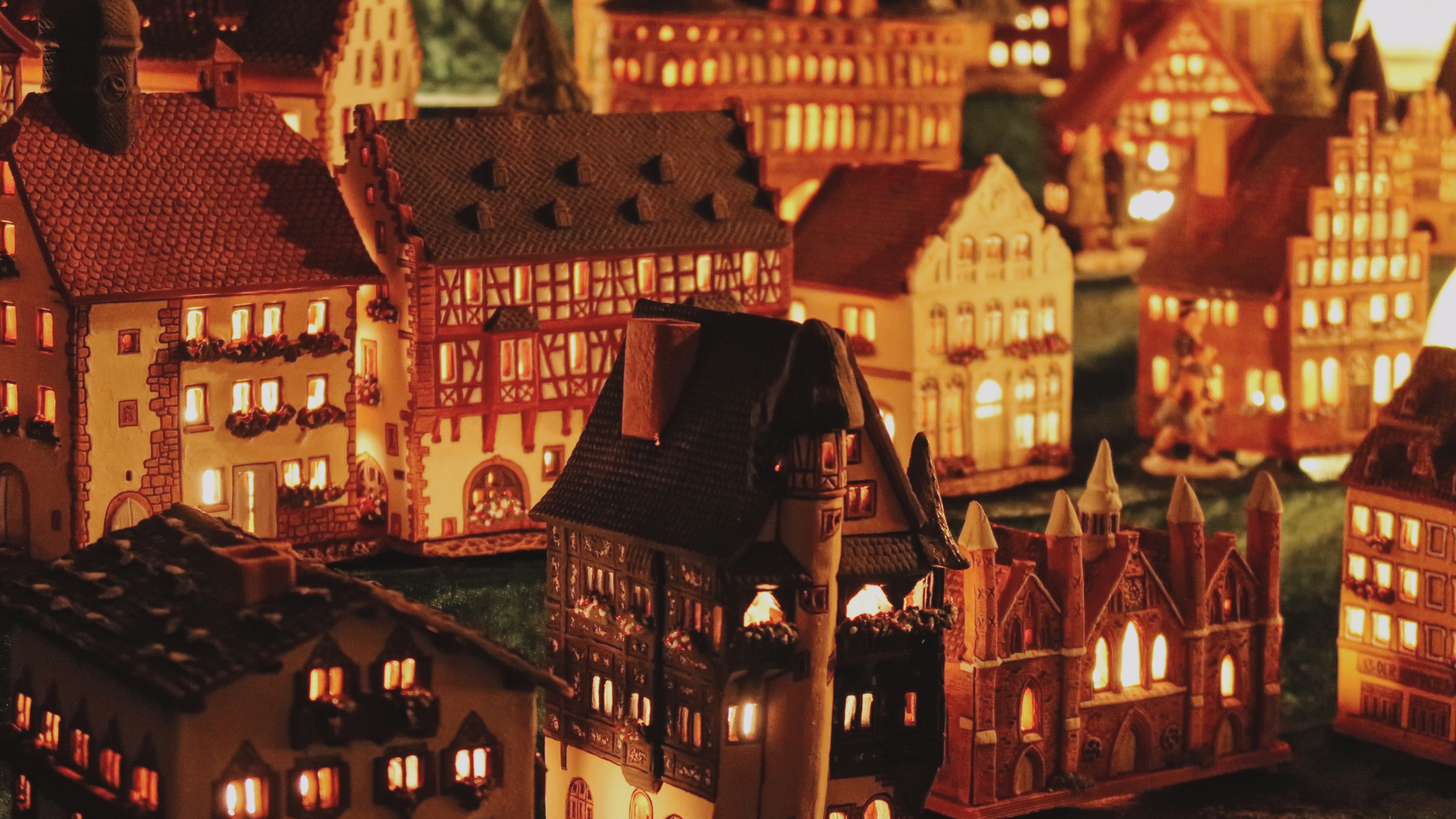
A photo taken at the height of the front doors brings out details that are easy to miss in an overhead view. You might see the underside of a porch roof, the edge of a windowsill, or a step tucked against the side of a shop. These are the same small features you’d notice walking past a full-size building.
 Read Exclusive Stories
 Bookmark & Save Articles For Later