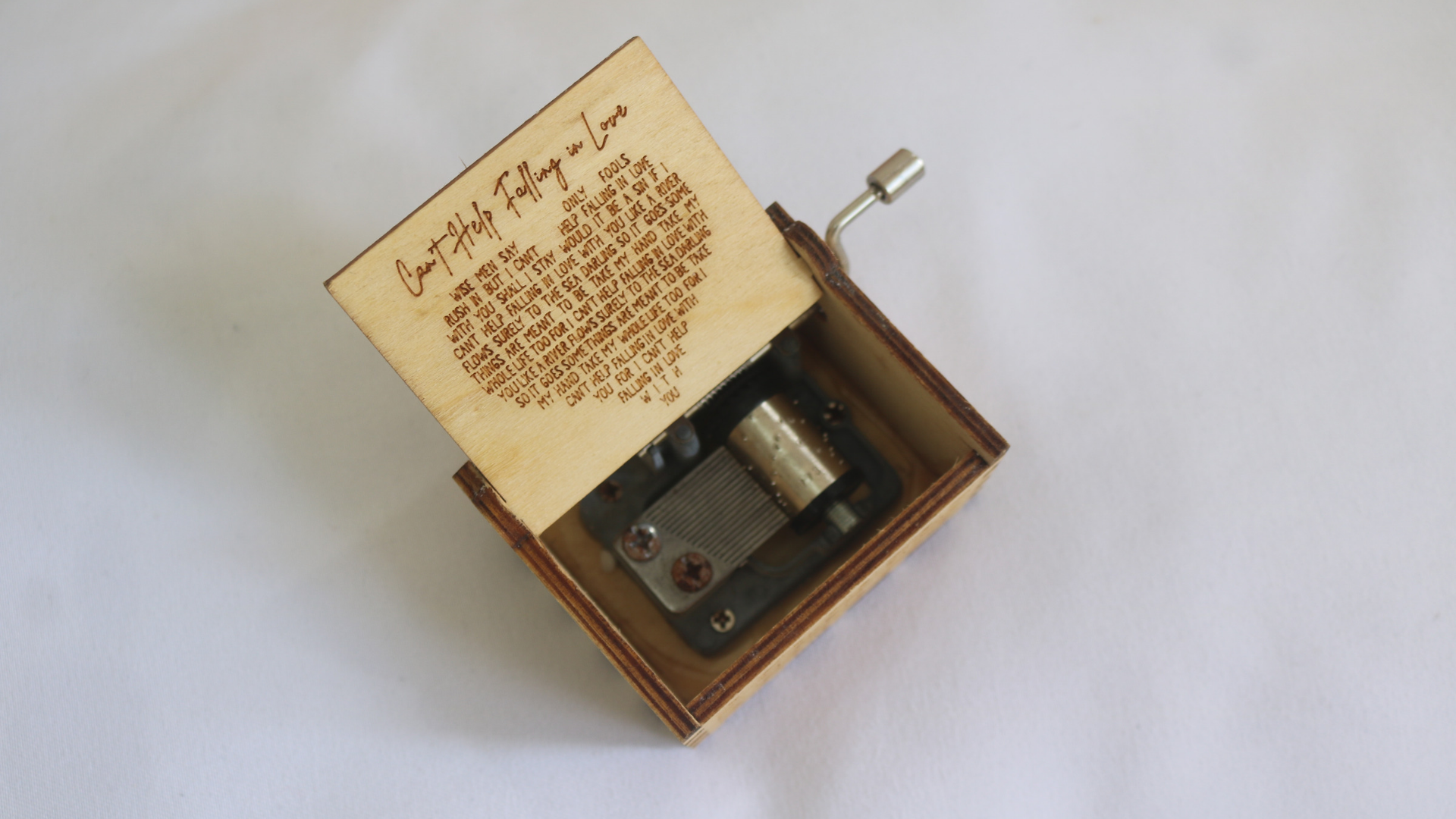
Lift the lid of a traditional music box, and a familiar tune begins to play. There are no speakers or recordings hidden inside. The sound comes from tiny metal parts working together. In some workshops, artisans still assemble these musical mechanisms by hand, even when machines help make the individual pieces.
A Melody Written in Metal
Most traditional music boxes use a rotating cylinder covered in tiny pins. The pins are arranged in a pattern that determines which notes play and when.
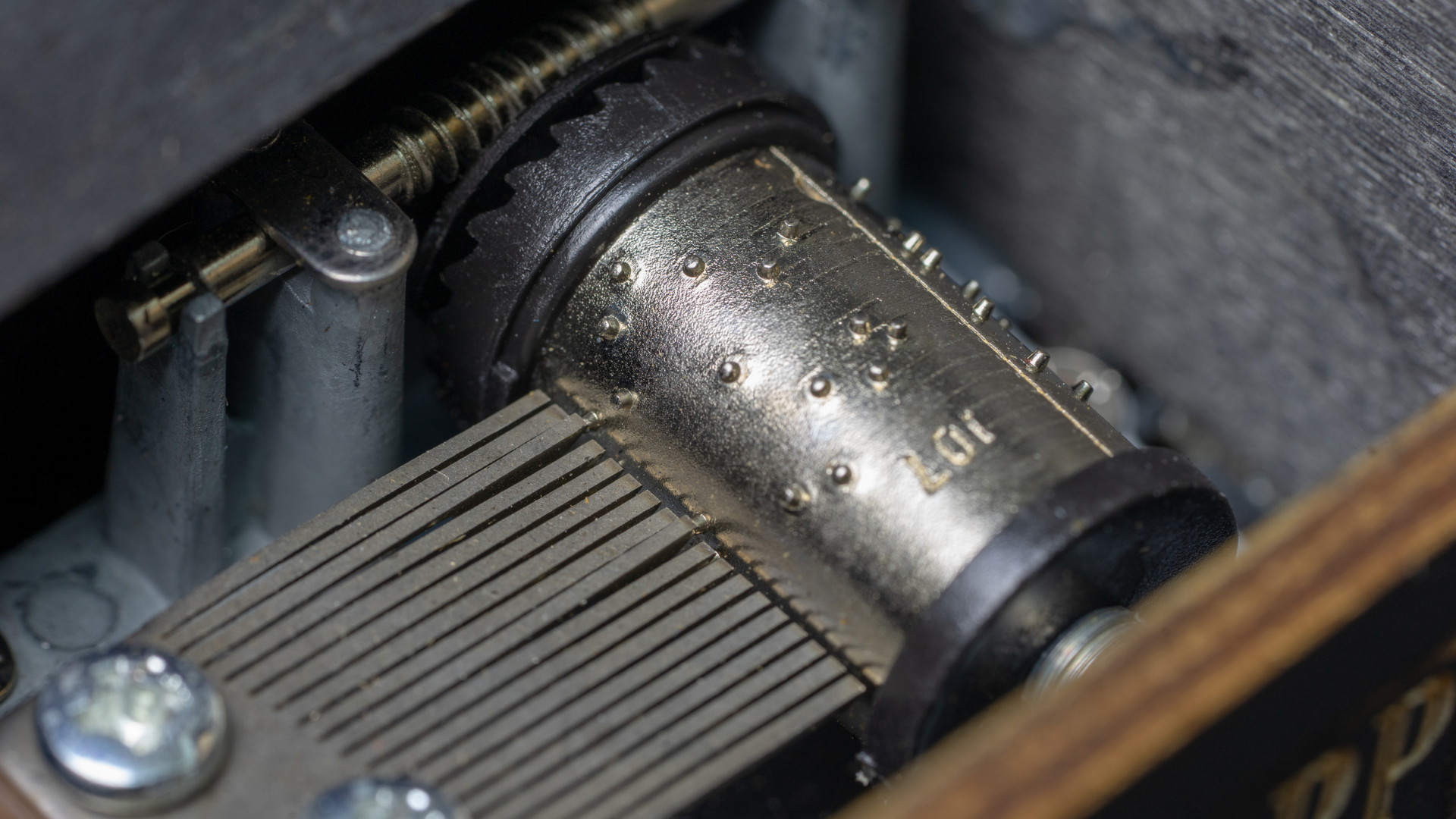
As the cylinder turns, each pin catches a tooth on a steel comb and then releases it. The tooth vibrates, making a musical note. Longer teeth produce lower notes, while shorter ones make higher notes.
The idea has been around for more than two centuries. In 1796, Swiss watchmaker Antoine Favre-Salomon developed an early musical mechanism using a pinned cylinder and metal comb. Over time, makers began placing these mechanisms inside decorative boxes.
How Each Note Is Made
Making the steel comb takes careful work. Manufacturers cut a row of narrow teeth into the metal, then treat the steel to produce a clear sound.
Each tooth must be tuned to the correct pitch. At Swiss music box maker Reuge, a machine checks how fast a tooth vibrates and compares it with the intended note. A grinding wheel removes small amounts of metal until the pitch is right.
Advertisement
Some lower notes also need dampers to stop unwanted ringing. Without them, one note could still be vibrating when the next pin reaches the tooth.
The cylinder needs just as much care. Makers drill holes in precise positions and fit tiny pins into them. A pin in the wrong place could change the melody.
Putting the Music Box Together
Once the pieces are ready, an artisan assembles the movement. A wound spring provides the power, while gears turn the cylinder. A speed regulator helps keep the tune from playing too fast.
One of the most delicate jobs is positioning the comb beside the cylinder. The pins need to reach the teeth without pushing them too far. The maker checks the spacing and listens as the mechanism plays.
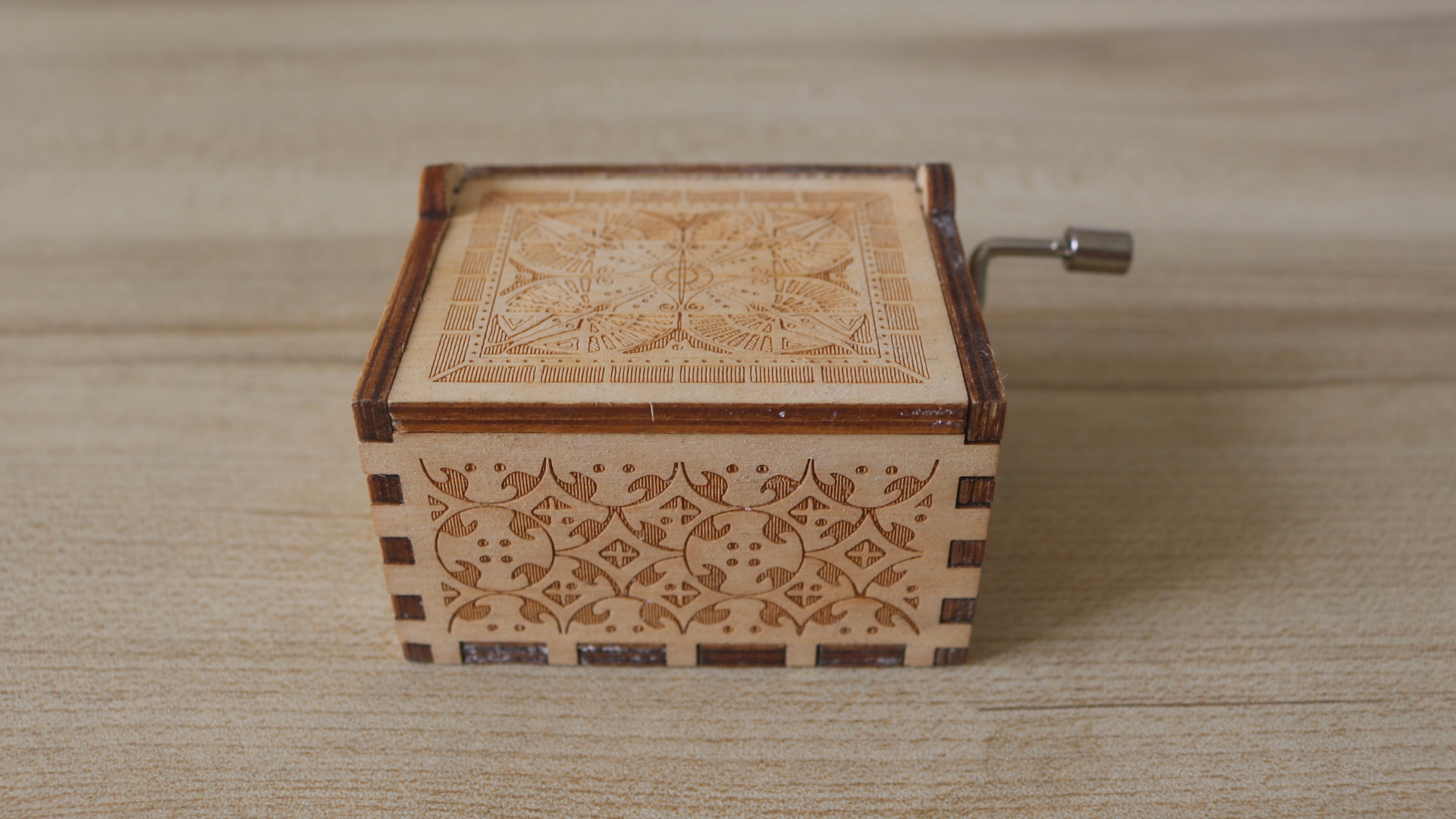
Finally, the movement is placed inside its case. Some cases are simple wooden boxes. Others have carved details, inlaid patterns, or a small figure that moves when the music starts.
What sounds like a simple melody depends on dozens of small parts. Every pin, tooth, and adjustment has a job to do.
 Read Exclusive Stories
 Bookmark & Save Articles For Later