You might think lace is always woven on a big machine. But some of the most detailed lace is actually tied by hand. This craft is called tatting. It turns plain thread into complex shapes.
Working With Knots
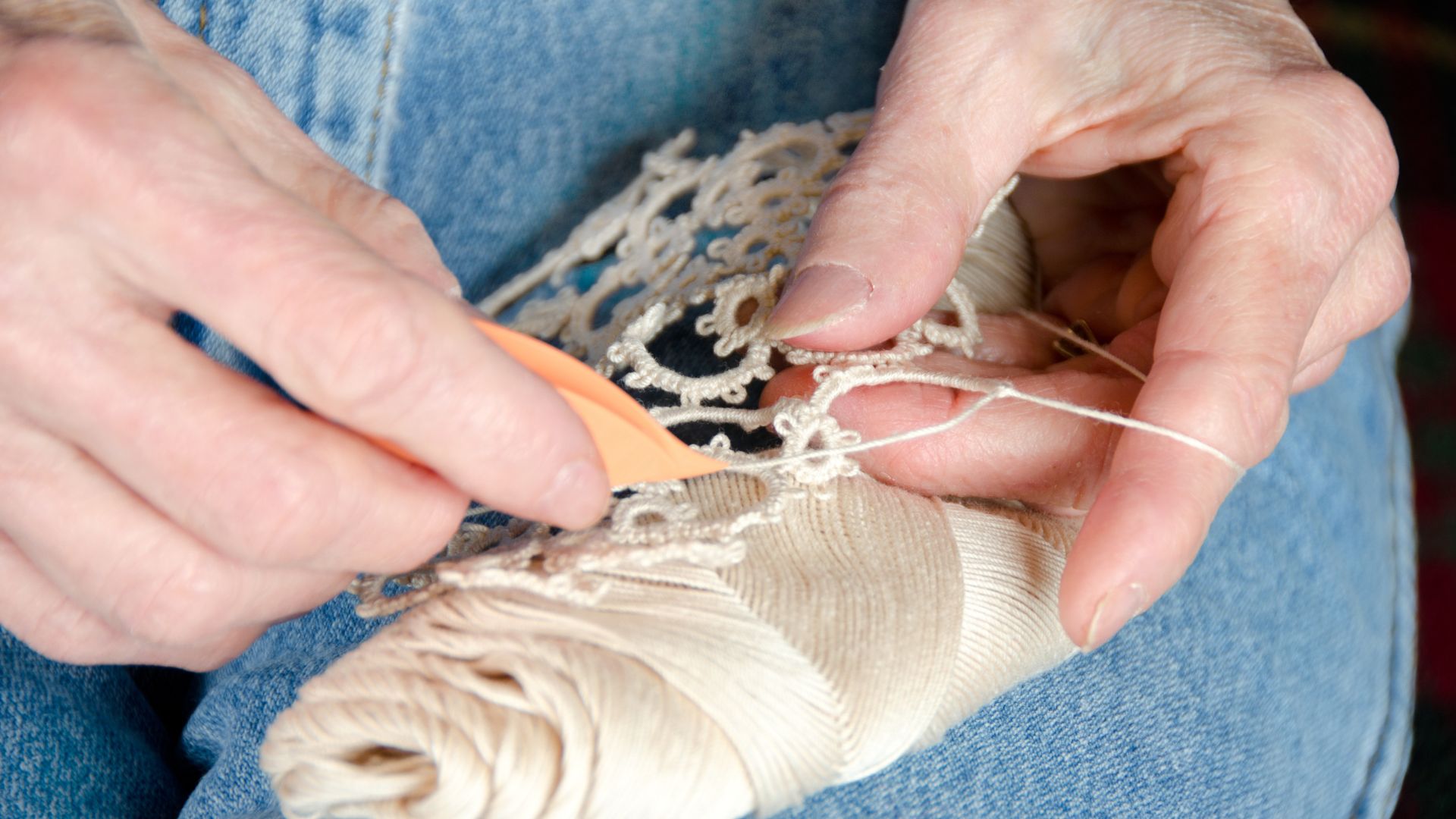
Instead of weaving threads back and forth, a maker ties hundreds of tiny knots. They use a small oval tool called a shuttle. The shuttle holds the wound thread. The maker loops the thread around their left hand. Then they pass the shuttle through the loop with their right hand to tighten the knot. Every piece of tatting is built on just one basic stitch. It is called the double stitch. You just repeat it over and over.
Finding The Right Tension
The knotting is not the only important thing. The tension of the thread as you knit also plays a part. If you pull the lace too tight, it will tend to form bumps. If you let it go too loose, the lace will fall apart. The correct tension can only be achieved through much practice and experimentation.
A maker has to keep the exact same pressure for hours. And that is why handmade tatting is so strong. The tight knots hold their shape even if the finished lace gets pulled or washed.
Advertisement
Building The Pattern
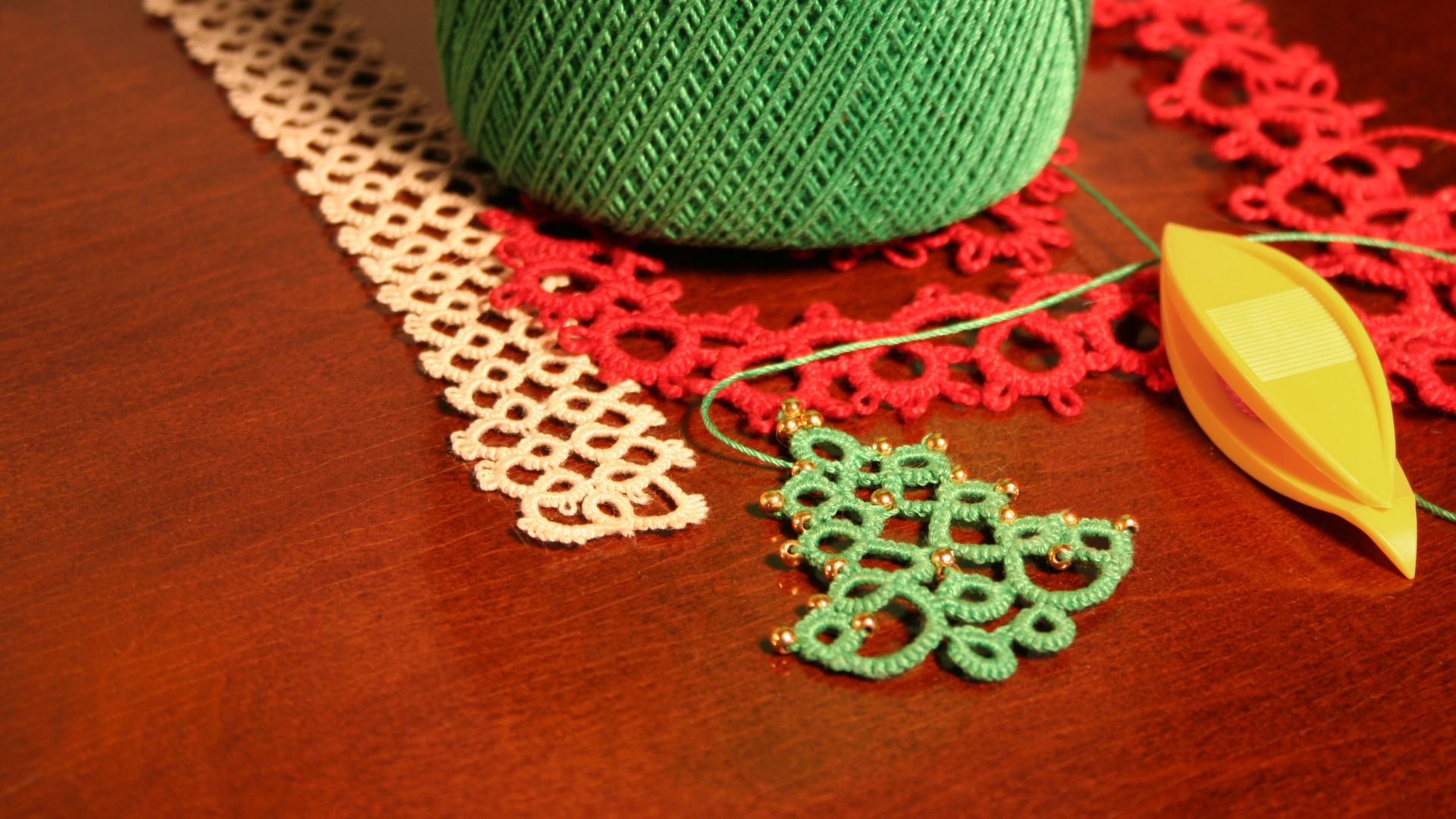
To make different shapes, makers leave tiny loops of loose thread between the knots. These loops are called picots. They connect the rings and chains of knots together to form a larger design.
It is very slow work. Making a piece the size of a coaster takes a long time. But the result is a strong piece of lace that can last for generations.
 Read Exclusive Stories
 Bookmark & Save Articles For Later