Two companies want to set up an AI data center around the moon. Before that is even a possibility, Firefly Aerospace and Starcloud first agreed to send a new computing system into lunar orbit.
The main goal is to test the hardware for future lunar infrastructure. While people in towns are pressuring local governments to “say no” to data centers, these two companies want to free up land and send data centers into space.
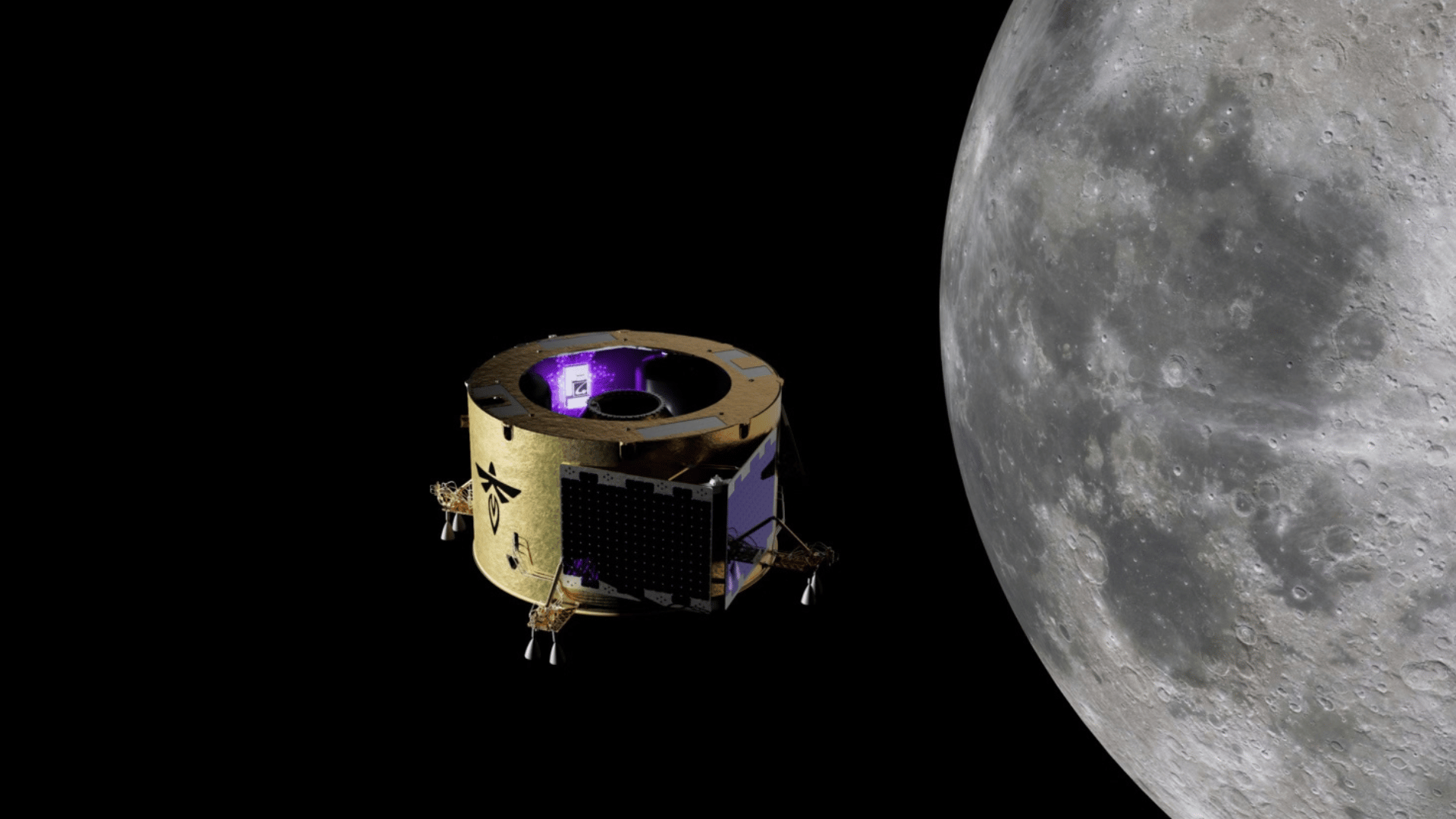
Starcloud is putting its SC-1L processor on Firefly’s Elytra orbital vehicle. This setup will see if they can capture, process, and send data directly from space back to Earth.
“We’re proud to collaborate with innovative customers like Starcloud and collectively take another step toward establishing the infrastructure that will power a permanent human and robotic presence at the Moon,” Ray Allensworth, Vice President of Spacecraft at Firefly Aerospace, explained. “By pairing Starcloud’s AI computing payload with our Elytra vehicle and Solux vision system, we’re demonstrating how data can be captured, processed, and delivered from lunar orbit, laying the groundwork for the computing infrastructure future lunar operations will depend on.”
Processing Data in Space
Advertisement
The new system relies on Firefly’s Solux cameras that help spacecraft navigate and land in areas where standard GPS doesn’t work. For example: space.
Starcloud’s processor will take that camera data and run heavy AI computations right there in orbit. Starcloud has already shown it can run AI models in low Earth orbit, so this is the next natural step.
“Space is the future of data centers, and the Moon is the next frontier for that vision,” said Ezra Feilden, Cofounder and CTO at Starcloud. “We successfully validated our ability to run and train AI models on enterprise-grade GPUs in low Earth orbit, and now we’re taking this proven technology to lunar orbit. Onboard Firefly’s Elytra vehicle, we’ll demonstrate high-power AI computing and further prove we can process massive volumes of data right where it’s generated to support the growing infrastructure beyond Earth.”
The 2028 Mission
This test is part of Firefly’s third lunar mission, which will launch in 2028 at the earliest. Before the AI testing really ramps up, the Elytra vehicle has another job to do. It will act as a communications relay for the Blue Ghost lander, which is dropping off instruments at the Moon’s Gruithuisen Domes for NASA.
After that landing, Elytra will stay in lunar orbit for five years. Along with the Starcloud test, the vehicle will use high-resolution telescopes to map the moon’s surface and look for minerals.
 Read Exclusive Stories
 Bookmark & Save Articles For Later